Lissonotini
Genus Guides
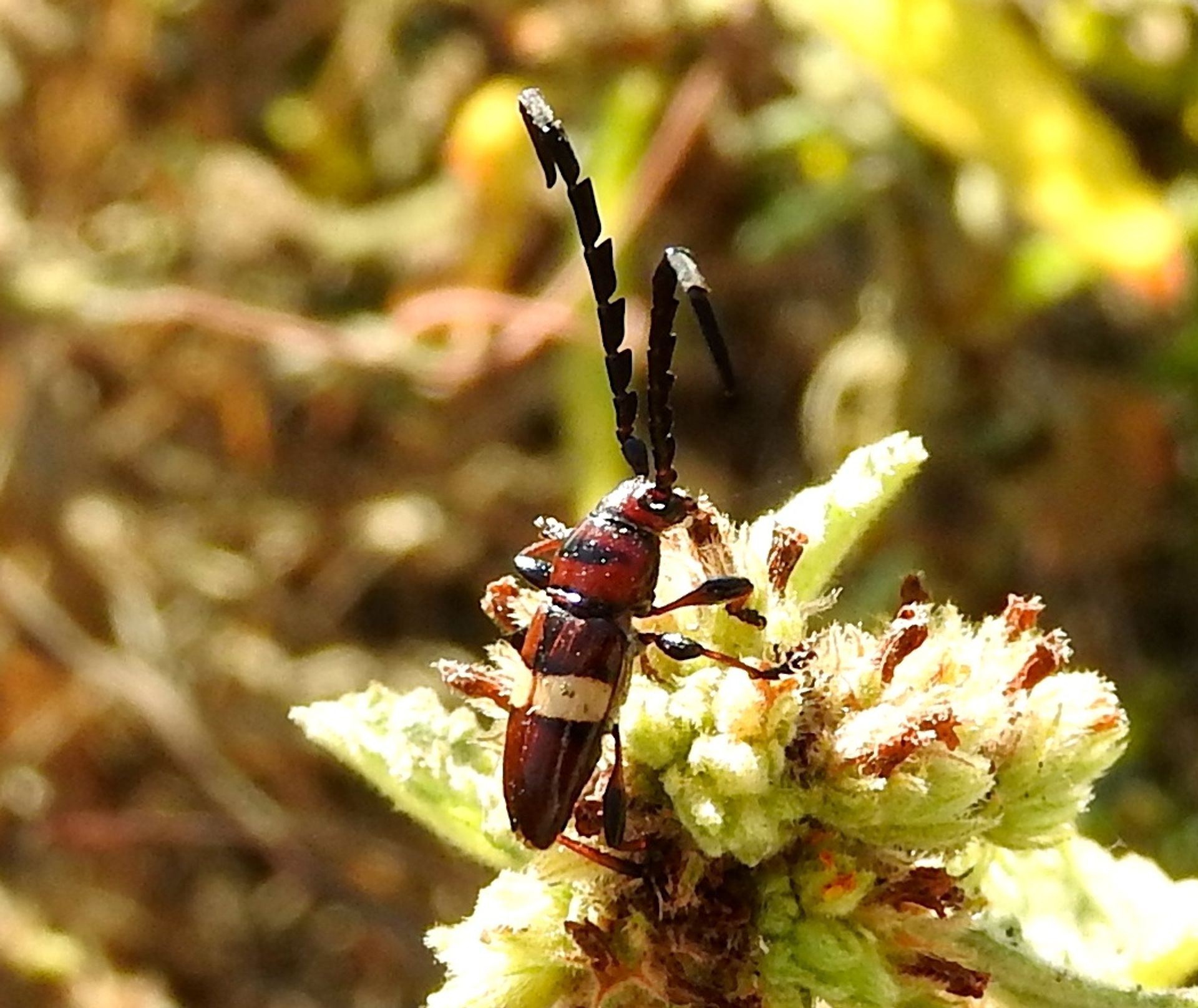
1Lissonotini is a tribe of longhorn beetles within the Cerambycinae, containing only the Lissonotus. The tribe represents a small, specialized lineage within the diverse Cerambycidae . in this group are characterized by their distinctive and are distributed primarily in the Neotropical region.
Pronunciation
How to pronounce Lissonotini: /ˌlɪsɒnəˈtaɪnaɪ/
These audio files are automatically generated. While they are not always 100% accurate, they are a good starting point.
Identification
Members of Lissonotini can be distinguished from other cerambycine tribes by the combination of: elongate body form with parallel sides; that are notably thickened or (club-shaped) toward the apex in males; pronotum with distinct lateral or spines; and that are often adorned with raised tubercles or . The nature of the tribe (single Lissonotus) simplifies identification at the tribal level, though -level identification requires examination of genitalia and detailed sculptural patterns.
Images
Distribution
Neotropical region, with records from Central and South America including Mexico, Rica, Panama, Colombia, Ecuador, Peru, Brazil, Bolivia, Paraguay, and Argentina.
Similar Taxa
- CompsoceriniSimilar elongate body form and antennal structure in Cerambycinae, but distinguished by different pronotal and elytral sculpturing patterns and non- male .
- CallichrominiShares large body size and often metallic coloration, but Callichromini have (thread-like) and lack the pronounced antennal clubbing characteristic of Lissonotini males.
More Details
Taxonomic history
Lissonotini has been consistently recognized as a distinct tribe within Cerambycinae, though its precise phylogenetic relationships to other tribes remain under study. The tribe's status (containing only Lissonotus) is well-established in modern classifications.
Species diversity
The Lissonotus contains approximately 20 described , making this one of the smaller lineages within the species-rich Cerambycidae .