
Limnichinae
Erichson, 1846
minute marsh-loving beetles
Tribe Guides
2- Limnichini
- Physemus(minute marsh beetles)
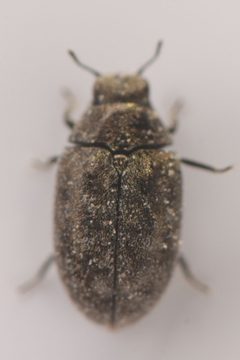
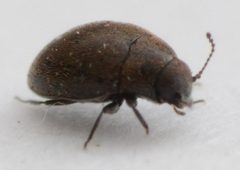
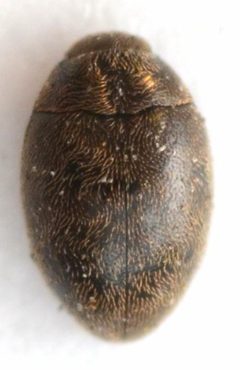
Limnichinae is a of minute marsh-loving beetles within the Limnichidae, containing over 20 and approximately 330 described . Members are characterized by small size, elongate-oval body form, and association with riparian and aquatic . The genus Byrrhinus is the most species-rich in the subfamily, with at least 87 species distributed pantropically. are frequently collected using light traps near water bodies.
Pronunciation
How to pronounce Limnichinae: /ˌlɪmnɪˈkaɪniː/
These audio files are automatically generated. While they are not always 100% accurate, they are a good starting point.
Images
Habitat
Riverbanks and riparian zones in secondary vegetation; specimens have been collected from freshwater including rivers at elevations ranging from approximately 150 to 440 meters above sea level. are associated with aquatic and semi-aquatic environments.
Distribution
Pantropical distribution for the Byrrhinus, the largest genus in the . Recorded from Philippines (Negros, Luzon, Mindoro, Mindanao, Palawan, Tawi-Tawi), Australia, Malaysia, Indonesia, Angola, Africa, and Cameroon. Not recorded from Nearctic and Palearctic regions.
Life Cycle
Larval and pupal stages remain undescribed for the Byrrhinus. No information available for other genera within the .
Behavior
have been observed to be attracted to black light, with light trap sampling effective between 6:00 pm and 8:00 pm on riverbanks.
Ecological Role
Aquatic and riparian beetles; part of freshwater macroinvertebrate .
More Details
Taxonomic scope
The contains at least 24 , with Byrrhinus Motschulsky, 1858 being the most -rich genus containing at least 87 species.
Morphological traits
Members of Limnichinae exhibit an elongate-oval habitus, deeply bisinuate pronotum and elytral base, long yellowish , and densely punctured pronotum and metasternum.