
Chelonarium
Fabricius, 1801
turtle beetles
Species Guides
2- Chelonarium lecontei(Turtle Beetle)
- Chelonarium sp-one
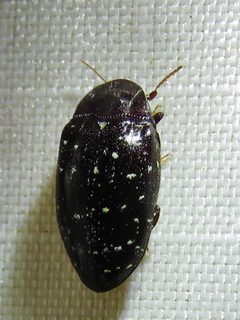
Chelonarium is a of turtle beetles in the Chelonariidae, established by Fabricius in 1801. The genus comprises approximately 14 described , though some sources cite fewer. Members of this genus are characterized by their distinctive domed, turtle-like body form. Species within Chelonarium have been documented in the Americas, with records from North America (including Florida) and South America (Paraguay).
Pronunciation
How to pronounce Chelonarium: //kɛloʊˈnæriəm//
These audio files are automatically generated. While they are not always 100% accurate, they are a good starting point.
Identification
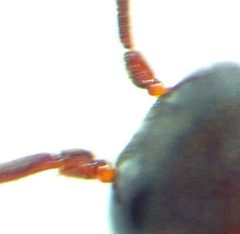
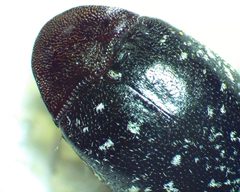
Chelonarium can be recognized by their highly convex, rounded body shape resembling a turtle shell, with the forming a smooth, domed . The is typically concealed beneath the pronotum when viewed from above. These beetles are small to medium-sized within their . Distinguishing individual species within the requires examination of subtle morphological features such as punctation patterns, coloration, and male genitalia.
Images
Distribution
Documented occurrences include Colombia, Paraguay, and the southeastern United States (Florida). The appears to have a disjunct distribution pattern across the Americas.
Behavior
Chelonarium lecontei has been observed exhibiting an unusual righting when overturned, though specific details of this behavior are not available in the extracted source material.
Similar Taxa
- Other Chelonariidae generaOther turtle beetle share the distinctive domed body form; Chelonarium is distinguished by specific pronotal and elytral characteristics that require detailed examination.
More Details
Taxonomic note
Sources differ on count: Wikipedia cites approximately 14 described species, while iNaturalist reports about eight. This discrepancy may reflect taxonomic revisions or varying acceptance of species boundaries.
Sources and further reading
- BugGuide
- Wikipedia
- GBIF taxonomy match
- iNaturalist taxon
- NCBI Taxonomy
- Catalogue of Life
- New Distributional Record for Chelonarium lecontei Thomson (Coleoptera: Chelonariidae)
- Notes on Chelonarium lecontei Thomson (Coleoptera: Chelonariidae), including Description of an Unusual Righting Behavior
- Redescription of Chelonarium signatum Dalman, 1824, with Notes on its Reproductive Biology and Occurrence in Paraguay (Coleoptera: Byrrhoidea: Chelonariidae)