Utobium
Fall, 1905
Species Guides
1Utobium is a of beetles in the Ptinidae, first described by Fall in 1905. The genus contains at least four described distributed in North America. These beetles are commonly referred to as death-watch or spider beetles, reflecting their classification within a group known for wood-boring habits and association with stored products or dead wood.
Pronunciation
How to pronounce Utobium: /juːˈtoʊbiəm/
These audio files are automatically generated. While they are not always 100% accurate, they are a good starting point.
Identification
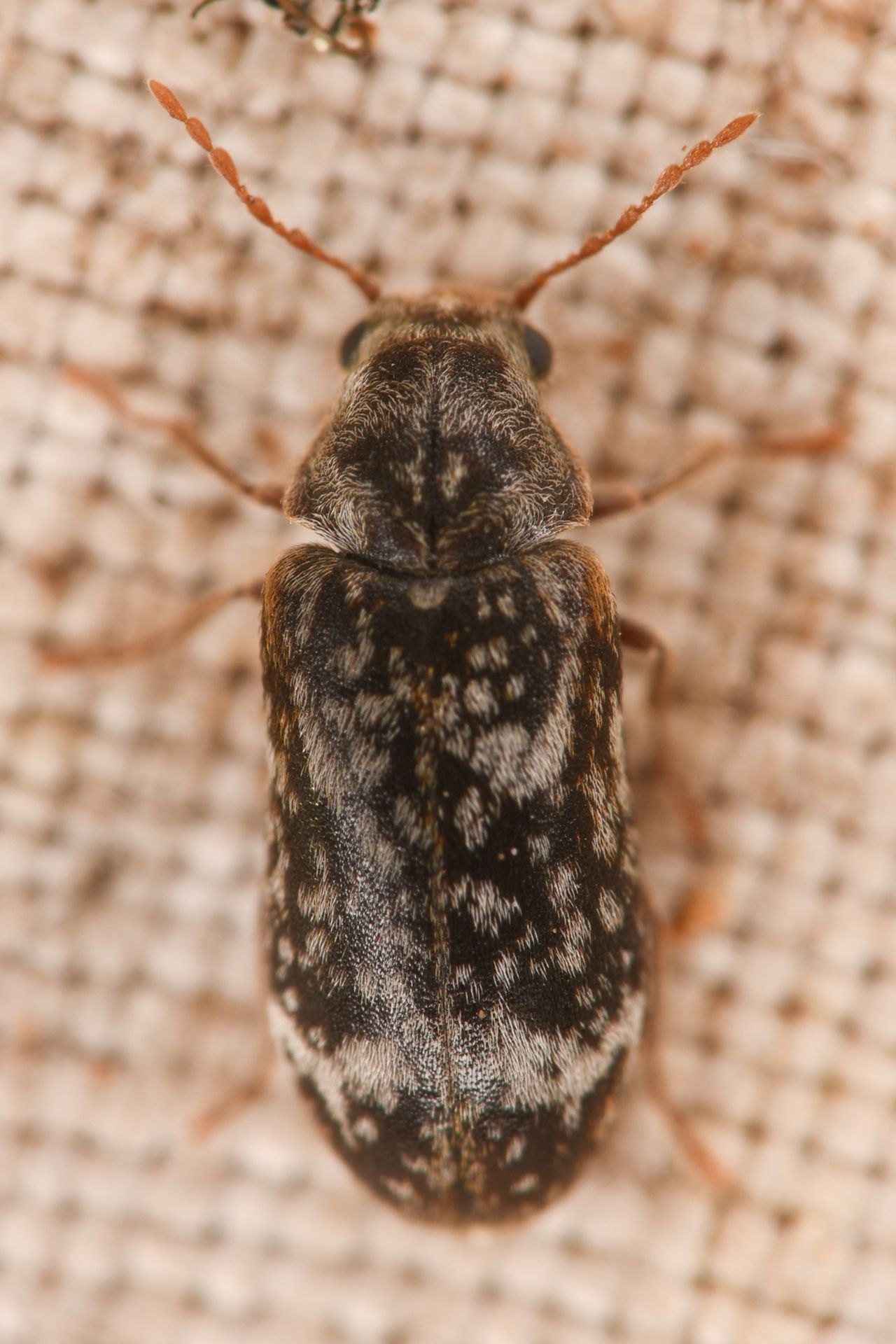
within Utobium can be distinguished by subtle differences in elytral and coloration. Utobium elegans, the type species, exhibits distinctive elytral markings. Utobium granulatum and Utobium griseum differ in surface texture and body color, with granulatum showing pronounced sculpturing. Utobium marmoratum displays mottled or marbled elytral patterns. Generic placement in Ptinidae is supported by characteristic antennal structure and body form typical of spider beetles, though definitive identification to species requires examination of genitalic characters.
Images
Distribution
The is known from North America. Individual have been recorded from the United States: Utobium elegans from the eastern and central regions, Utobium granulatum and Utobium griseum from western states, and Utobium marmoratum with broader distribution including the southeastern United States.
Human Relevance
As members of Ptinidae, in this may occasionally be found in association with stored products, dead wood, or wooden structures. No specific economic impact has been documented for Utobium species.
Similar Taxa
More Details
Taxonomic History
Utobium was established by Fall in 1905 with Utobium elegans as the type . The has been classified in both Anobiidae and Ptinidae depending on taxonomic treatment, with current consensus placing it in Ptinidae following molecular and morphological revisions of Bostrichoidea.
Species Diversity
Only four are formally described, but the low number of observations (10 records in iNaturalist) suggests the may be undercollected or genuinely rare. Additional undescribed species may exist in poorly sampled regions of western North America.