
Endecatomidae
J. L. LeConte, 1861
Genus Guides
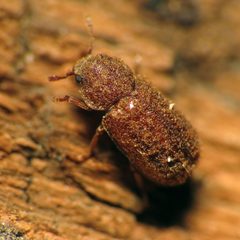
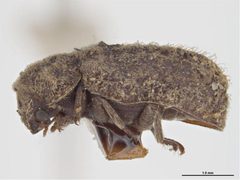
1Endecatomidae is a small of beetles within the superfamily Bostrichoidea, historically treated as a (Endecatominae) within Bostrichidae but recognized as a distinct family in some modern classifications. These beetles are associated with dead wood and wood-boring habits. The family contains the single Endecatomus with a limited number of . Taxonomic status remains disputed, with Catalogue of Life listing it as a synonym of Bostrichidae while GBIF and NCBI maintain it as accepted.
Pronunciation
How to pronounce Endecatomidae: //ˌɛndɛˈkætəˌmaɪdiː//
These audio files are automatically generated. While they are not always 100% accurate, they are a good starting point.
Identification
When recognized as distinct from Bostrichidae, Endecatomidae are separated based on subtle morphological differences including antennal structure and pronotal form. Members lack the pronounced hooded pronotum found in many Bostrichinae. Definitive identification requires examination of male genitalia and detailed comparison with related bostrichoid .
Images
Habitat
Associated with dead and decaying wood, particularly hardwoods. Larvae develop within wood galleries.
Distribution
Primarily distributed in North America, with records from the United States and adjacent regions.
Diet
Larvae feed on wood, tunneling through dead hardwoods. may feed on wood or remain non-feeding.
Host Associations
- dead hardwoods - larval developmentspecific tree not well documented
Life Cycle
Complete with , larval, pupal, and stages. Larvae are the primary feeding stage, creating tunnels in dead wood. Development duration varies with wood condition and environmental factors.
Behavior
are secretive and associated with wood substrates. Larvae are wood-borers, creating meandering galleries in dead wood.
Ecological Role
Contributes to wood decomposition and nutrient cycling in forest . Acts as a primary decomposer of dead hardwoods.
Human Relevance
Of minimal economic importance. Not known to attack seasoned timber or cause structural damage. Occasionally encountered in forest entomology surveys.
Similar Taxa
- BostrichidaeHistorically included Endecatomidae as Endecatominae; separation based on antennal club structure and pronotal
- AnobiidaeSimilar wood-boring habits and associations; distinguished by body form and antennal structure
Misconceptions
Often overlooked due to historical classification within Bostrichidae and limited .
More Details
Taxonomic Status
The -level status of Endecatomidae is disputed. Catalogue of Life (2024) treats Endecatomidae as a synonym of Bostrichidae, while GBIF and NCBI maintain it as a valid family. This reflects ongoing debate about the classification of Bostrichoidea, with molecular and morphological studies yielding conflicting results regarding the monophyly of traditional Bostrichidae.
Diversity
The contains a single , Endecatomus, with approximately 3-4 described . This limited diversity contributes to its frequent submergence within broader family concepts.