
Dinoderinae
C. G. Thomson, 1863
Genus Guides
4- Dinoderus(bamboo powderpost beetles)
- Prostephanus
- Rhyzopertha(Grain-borers)
- Stephanopachys(horned powder-post beetles)
Dinoderinae is a of wood-boring beetles within the Bostrichidae, established by C. G. Thomson in 1863. The subfamily contains five to seven of beetles that live in wood, with some recognized as pests of stored wood-based products and other stored goods. Members are characterized by their association with woody substrates and their economic significance in certain contexts.
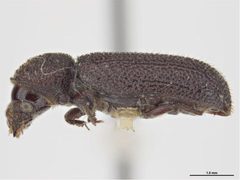
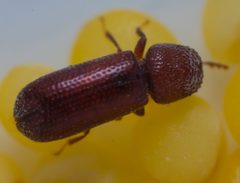
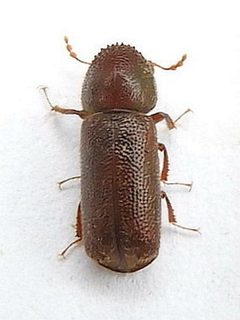
Pronunciation
How to pronounce Dinoderinae: //ˌdaɪ.noʊˈdɛr.i.naɪ//
These audio files are automatically generated. While they are not always 100% accurate, they are a good starting point.
Identification
Dinoderinae can be distinguished from other Bostrichidae by features of the pronotum and , though specific diagnostic characters vary among included . The subfamily is generally characterized by a compact body form adapted for wood-boring. Definitive identification to subfamily level requires examination of structural features including antennal club structure and pronotal shape.
Images
Habitat
Wood; members inhabit dead wood, timber, and wood-based materials. Some occur in stored products and processed wood commodities.
Distribution
Worldwide distribution, with occurring across multiple continents where suitable woody substrates are available.
Diet
Wood; larvae and feed on woody plant material. Some have been documented as pests of stored wood-based products.
Host Associations
- Wood - and food sourceDead wood, timber, and wood-based materials
- Stored products - pestSome are pests of wood-based and other stored products
Life Cycle
Complete with , larval, pupal, and stages. Larvae are wood-borers that develop within woody substrates.
Behavior
Wood-boring; larvae tunnel through wood. of some are known to bore into wood to oviposit.
Ecological Role
Decomposers of dead wood; contribute to nutrient cycling in forest . Some function as pests in human-modified environments.
Human Relevance
Some are recognized as pests of stored wood-based products and other stored commodities, causing economic damage to timber, furniture, and related materials.
Similar Taxa
- BostrichinaeAlso wood-boring Bostrichidae, but differs in pronotal and antennal characters
- PolycaoninaeAnother Bostrichidae ; separation based on structural
- LyctinaePowderpost beetles in Bostrichidae; Dinoderinae generally larger and with different antennal structure
More Details
Taxonomic history
Established by C. G. Thomson in 1863; the number of included has been variously reported as five to seven, reflecting ongoing taxonomic refinement.
Economic significance
The includes of and stored-product pest importance, though specific pest species are not detailed in available sources.