
Archostemata
Kolbe, 1908
Reticulated and Telephone-pole Beetles
Family Guides
2- Cupedidae(Reticulated Beetles)
- Micromalthidae(Telephone-pole Beetles)
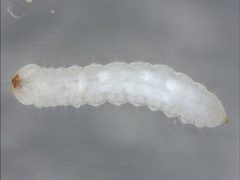
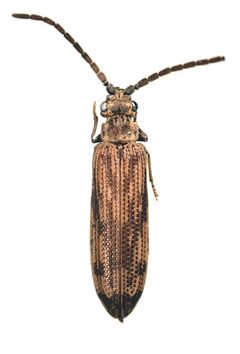
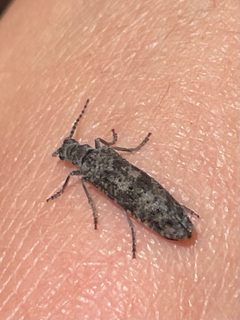
is the smallest suborder of beetles, containing approximately 50 extant across five . This ancient lineage retains numerous primitive characteristics and resembles the earliest beetles known from the fossil record. The suborder includes the only known paedogenic beetles, Micromalthus debilis, in which both sexes reproduce in a larval-like form. Modern archostematans are rare and relictual, though the group was more diverse during the Mesozoic era.
Pronunciation
How to pronounce Archostemata: /ˌɑːrkoʊˈstɛmətə/
These audio files are automatically generated. While they are not always 100% accurate, they are a good starting point.
Identification
Distinguished from other Coleoptera suborders by combination of primitive morphological traits, including reticulate elytral venation in some and the absence of cryptonephric . Antennal structure ( or ) differs from the clubbed typical of many Polyphaga. The paedogenic Micromalthus debilis is unique among beetles.
Images
Appearance
Body form varies among but generally retains plesiomorphic traits. are either (thread-shaped) or (bead-like). Many exhibit reticulate wing venation patterns. The thoracic locomotor apparatus is less efficient than in other beetle suborders.
Habitat
Modern occupy specialized microhabitats including rotting wood, forest litter, and other decaying plant matter. Many are associated with coniferous forests and pre-angiosperm ecological conditions.
Distribution
Disjunct global distribution with relict . Present on all major continents except Antarctica, but generally localized and uncommon. Higher historical diversity indicated by extensive fossil record from Mesozoic deposits worldwide.
Life Cycle
Micromalthus debilis exhibits : both males and females reproduce while in a larval-like form, a trait unique among beetles. details for other are poorly documented.
Behavior
Most modern are secretive and associated with decaying wood or forest floor debris. Activity patterns are largely unknown due to rarity and cryptic habits.
Ecological Role
Associated with decomposition of wood and plant matter in forest . Their rarity and specialized requirements suggest limited contemporary ecological impact compared to more diverse lineages.
Human Relevance
No significant direct economic importance. Scientific value lies in their phylogenetic position as a relictual lineage preserving ancestral characteristics.
Similar Taxa
- MyxophagaSome genetic studies recover as sister group to Myxophaga, though morphologically distinct; Myxophaga are small, aquatic or semi-aquatic beetles with reduced and different preferences.
- AdephagaBoth are considered more basal lineages, but Adephaga possess cryptonephric and generally have more efficient thoracic musculature; most Adephaga are with legs.
- PolyphagaVastly more diverse suborder with clubbed common, cryptonephric present, and generally more derived morphological and ecological adaptations; retain numerous plesiomorphic traits absent in Polyphaga.
More Details
Evolutionary significance
The term '' is sometimes used broadly to include stem-group beetles ('protocoleopterans'), though modern archostematans are considered a based on genetic research. Their low modern diversity may reflect competition with angiosperm-adapted beetles, absence of cryptonephric , and less efficient thoracic locomotion.
Fossil record
Over 200 fossil have been described, indicating substantially greater past diversity during the Mesozoic era when gymnosperms dominated terrestrial .