
Vatellini
Sharp, 1880
Genus Guides
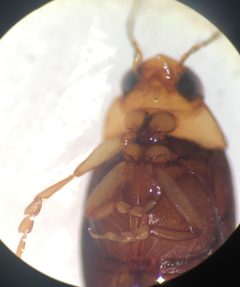
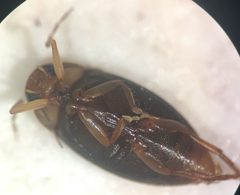
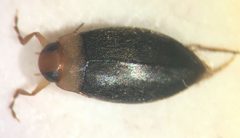
2Vatellini is a tribe of predaceous diving beetles (Coleoptera: Dytiscidae: Hydroporinae) comprising 55 in two : Vatellus and Derovatellus. The tribe was established by Sharp in 1880. New World species remain poorly explored, with significant gaps in distributional knowledge. Brazilian records were historically limited to few localities until recent taxonomic work expanded known ranges.
Pronunciation
How to pronounce Vatellini: /vəˈtɛlɪnaɪ/
These audio files are automatically generated. While they are not always 100% accurate, they are a good starting point.
Identification
Identification relies on morphological characters detailed in Miller's 2005 key, with recent additions for newly described . The tribe is distinguished within Hydroporinae by combination of generic-level characters; species-level identification requires examination of male genitalia and other subtle morphological features.
Images
Habitat
Aquatic ; specific microhabitat preferences not documented in available sources.
Distribution
Neotropical and Afrotropical regions. In Brazil: documented from Mato Grosso, Amazonas, Pará, Rio de Janeiro, Alagoas, Ceará, Espírito Santo, Pernambuco, and Rio Grande do Sul. Distribution data remain incomplete due to limited exploration of New World .
Human Relevance
Subject of taxonomic research; no documented direct interactions with humans.
Similar Taxa
- Other Hydroporinae tribesShare characteristics; distinguished by tribal-level morphological synapomorphies and composition
More Details
Taxonomic composition
Contains two : Vatellus (majority of ) and Derovatellus
Research status
Recent revision exists, but New World fauna remains understudied with many distribution gaps