
Hydroporinae
Aubé, 1836
predaceous diving beetles
Genus Guides
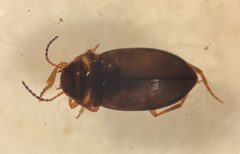
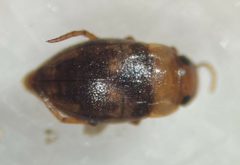
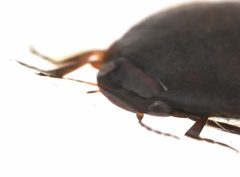
7Hydroporinae is a large of predaceous diving beetles within the Dytiscidae, comprising at least 2,200 described . Members are aquatic found in diverse freshwater worldwide. The subfamily includes notable such as Hydroporus and Iberoporus, with some species exhibiting specialized adaptations including subterranean lifestyles with depigmentation and reduction. Hydroporinae represents one of the most species-rich lineages within Dytiscidae.
Pronunciation
How to pronounce Hydroporinae: /haɪdɹoʊˈpɔːrɪnə/
These audio files are automatically generated. While they are not always 100% accurate, they are a good starting point.
Images
Habitat
Freshwater environments including ponds, lakes, streams, and subterranean waters. Some are specialized for groundwater (stygobionts), particularly in karst regions. The occupies diverse aquatic from surface waters to deep cave systems.
Distribution
Worldwide distribution across multiple continents. Documented occurrences include Europe (notably Portugal, with Iberoporus pluto as the first documented stygobiont in the country), Asia, and other regions. The shows broad geographic range with localized in specific such as cave systems.
Diet
Predatory. Members are predaceous diving beetles that feed on other aquatic organisms.
Ecological Role
in freshwater . Some serve as indicators for subterranean water quality and cave health. Stygobiont species contribute to unique groundwater dynamics.
Human Relevance
Subject of taxonomic research, particularly for cave-dwelling . Some species have been named after notable figures (e.g., Grouvellinus leonardodicaprioi, named for environmentalist Leonardo DiCaprio). Citizen science initiatives have documented new species within this .
Similar Taxa
- CybistrinaeAnother of Dytiscidae; distinguished by generally larger body size and different morphological proportions
- DytiscinaeLarger, more robust diving beetles within the same ; Hydroporinae are typically smaller
More Details
Taxonomic Note
The name Hydroporinae () should not be confused with Hydroporina (subtribe rank within Hydroporini). The subtribe Hydroporina was established by Aubé in 1836.
Subterranean Adaptations
Some Hydroporinae exhibit extreme troglomorphic traits including uniform depigmentation, reduction or loss, and elongated appendages—adaptations to permanent subterranean existence in groundwater systems.