Cybister explanatus
LeConte, 1852
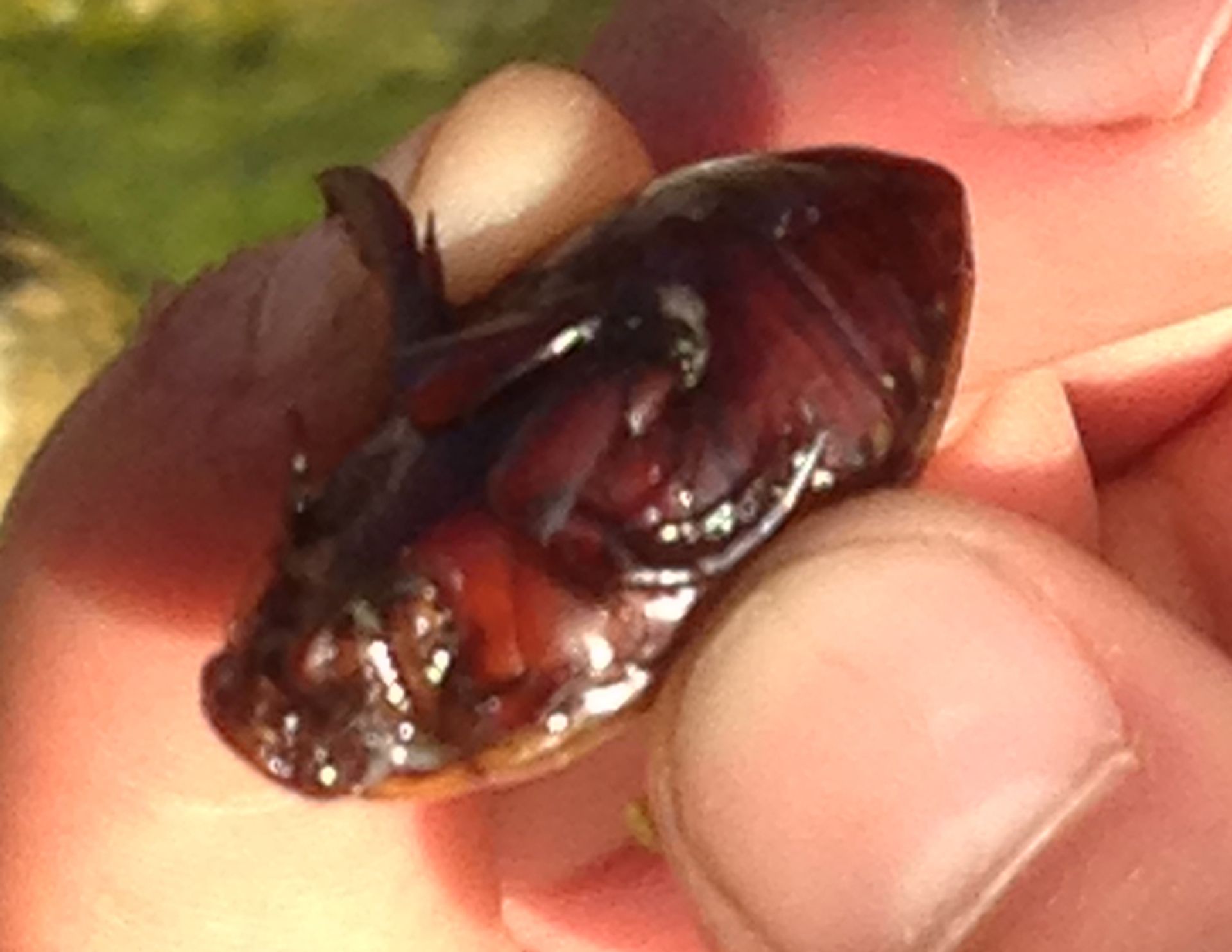
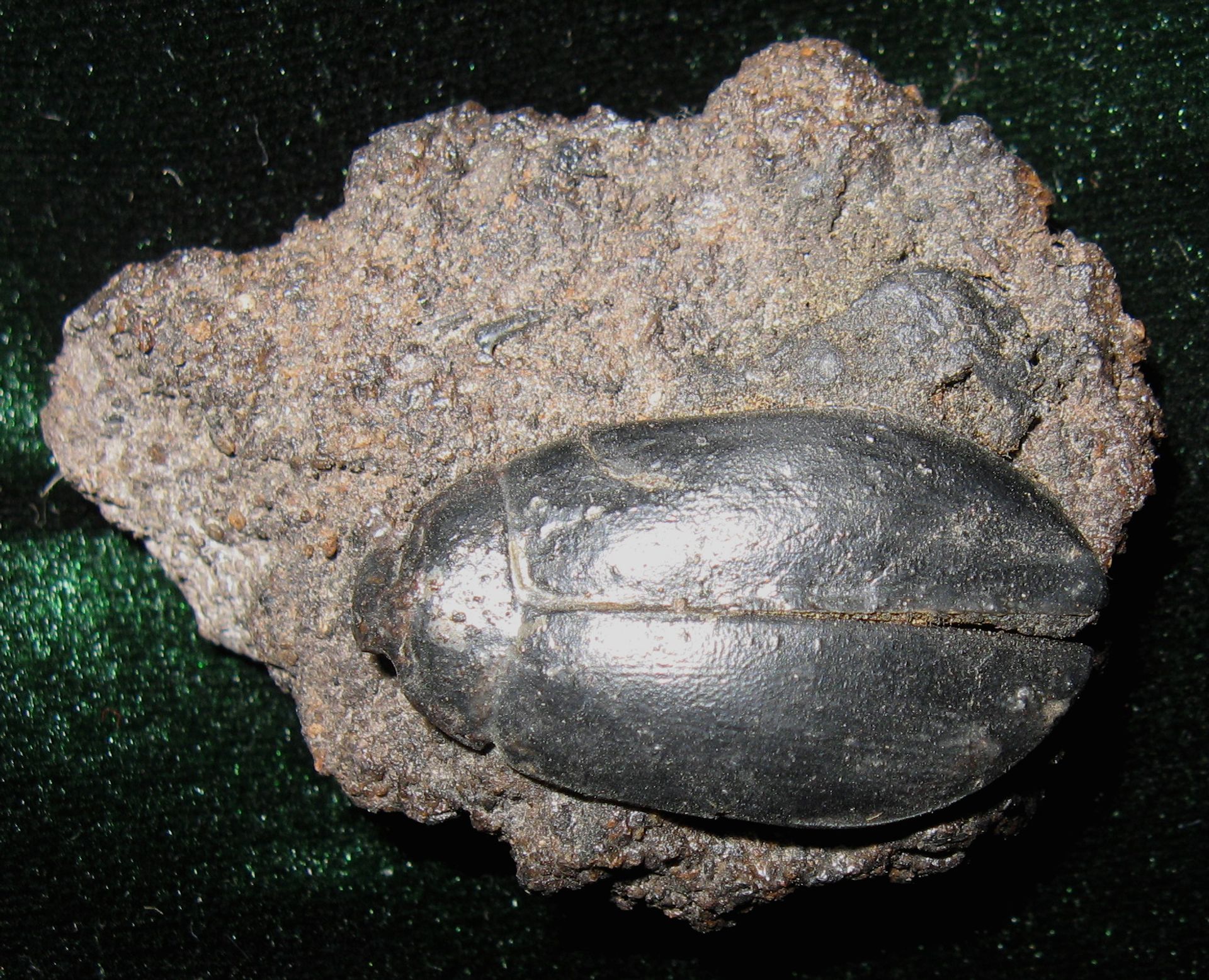
Cybister explanatus is a large predaceous diving beetle in the Dytiscidae, occurring in western North America and Middle America. range from 24.5 to 29 mm and are distinguished by yellow margins on the and pronotum, plus sharp-pointed metafemora on the hind legs. The inhabits lentic waters and has significant ecological and cultural importance as a in aquatic and as a traditional food source in Mexico.
Pronunciation
How to pronounce Cybister explanatus: /ˈsɪbɪstər ɛkspləˈneɪtəs/
These audio files are automatically generated. While they are not always 100% accurate, they are a good starting point.
Identification
Distinguished from similar Cybister , particularly C. ellipticus, by the yellow marginal stripe on and pronotum. The sharply pointed metafemoral apices and presence of 4-5 short coarse ridges near leg (better developed in males) provide additional diagnostic characters. Male tarsal palette count and arrangement (14-19-21-20 series) is distinctive when examined.
Images
Habitat
Primarily lentic aquatic including ponds, lakes, and still-water environments. Also occurs in valley settings. are attracted to lights.
Distribution
Western North America and Middle America: extreme southern Oregon through California and Nevada; western Mexico from northern regions to Chiapas.
Diet
. Has been observed to exhibit . Specific prey items not documented in available sources.
Life Cycle
Complete with , larval, pupal, and stages. Larvae 13-15.2 mm, suggesting substantial growth through development. Specific duration of stages and number of instars not documented.
Behavior
Activity levels vary: some observations describe movement as sluggish compared to northern water beetles, while other individuals show high activity and voracious feeding including . attracted to artificial light sources.
Ecological Role
Major in lentic aquatic . Has been observed to occupy significant trophic position in pond and lake .
Human Relevance
Traditional food source in Mexico, consumed roasted and as taco filling. Archaeological evidence from Nevada (Humboldt Sink coprolites) documents prehistoric consumption; remains were intact and headless, indicating removal of before eating—a practice continued by modern commercial producers.
Similar Taxa
- Cybister ellipticusSuperficially similar in overall appearance; distinguished by yellow marginal stripe and pointed metafemora of C. explanatus
More Details
Taxonomic history
Originally described by LeConte in 1852; C. fusculus (Zimmerman, 1919) recognized as synonym. Proposed C. e. fusculus and C. e. laevicollis not accepted due to falling within normal variation. Assigned to subgenus Nealocomerus based on Nearctic distribution.