
Pasimachus sublaevis
(Palisot de Beauvois, 1811)
Moderately Smooth Warrior Beetle
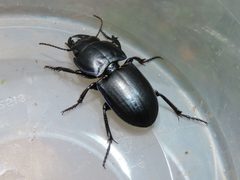
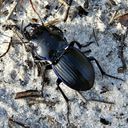
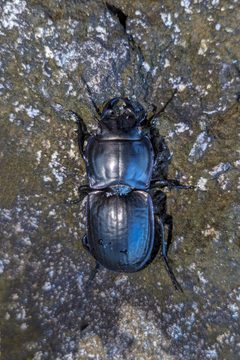
Pasimachus sublaevis is a large ground beetle in the Carabidae, commonly known as the Moderately Smooth Warrior . The occurs across North America and is one of several species in the Pasimachus, which are notable for their robust build, large , and active predatory . Warrior beetles are among the more conspicuous carabids in open due to their size and activity patterns.
Pronunciation
How to pronounce Pasimachus sublaevis: /pəˈsɪməkəs sʌbˈlɛvɪs/
These audio files are automatically generated. While they are not always 100% accurate, they are a good starting point.
Identification
The specific epithet "sublaevis" (moderately smooth) distinguishes this from with more pronounced surface sculpturing. Pasimachus species are recognized by their large size, prominent curved , and often metallic or iridescent coloration. P. sublaevis can be separated from P. elongatus and other sympatric species by its relatively smoother elytral surface with reduced or less distinct punctation and striation. The pronotum is typically quadrate with distinct hind angles.
Images
Distribution
North America; records from the United States. The has been documented in the central and southwestern United States, including Oklahoma and surrounding regions.
Behavior
Members of the Pasimachus are fast-running, . They are active hunters that pursue prey on the ground surface rather than adopting a sit-and-wait strategy. When approached, they may quickly attempt to escape or, if cornered, can deliver a sharp bite with their powerful .
Ecological Role
As large predatory ground beetles, Pasimachus function as significant of other in their , potentially influencing soil and ground-surface structure.
Human Relevance
Warrior beetles in the Pasimachus, including P. sublaevis, are valued by insect collectors and naturalists for their impressive appearance and active . The genus has been proposed for adoption of standardized to facilitate public engagement with these conspicuous beetles.
Similar Taxa
- Pasimachus elongatusSympatric in southwestern and central United States; distinguished by more elongate body form and more distinctly sculptured (less smooth) with stronger punctation and striation
- Pasimachus quadricollisShares large size and robust build; distinguished by quadrate pronotum with specific hind angle structure and geographic distribution patterns
- Other large Carabidae (e.g., Calosoma)Similar large size and predatory habit; distinguished by different body proportions, less prominent , and different elytral sculpturing patterns
Sources and further reading
- BugGuide
- Wikipedia
- GBIF taxonomy match
- iNaturalist taxon
- Winter Botany Quiz #6 – answers and a checklist | Beetles In The Bush
- The Texas Prick | Beetles In The Bush
- Let’s make a deal! | Beetles In The Bush
- Insects, DNA, and Pathogen Extracts Available to Borrow From NEON Biorepository
- Histeridae | Beetles In The Bush
- April | 2010 | Beetles In The Bush | Page 2