
Amara conflata
LeConte, 1855
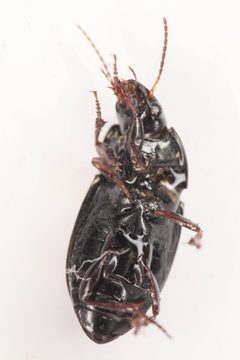
Amara conflata is a ground beetle in the Carabidae, described by John Lawrence LeConte in 1855. It belongs to the large Amara, which comprises numerous species of small to medium-sized carabid beetles distributed primarily in the Northern Hemisphere. The species occurs in North America, with documented records from Canada and the United States.
Pronunciation
How to pronounce Amara conflata: /əˈmɑːrə kənˈfleɪtə/
These audio files are automatically generated. While they are not always 100% accurate, they are a good starting point.
Images
Distribution
North America. Documented from Canada and the United States.
More Details
Taxonomic history
Described by John Lawrence LeConte in 1855, a prominent 19th-century American entomologist who described thousands of North American .
Genus characteristics
Members of the Amara are generally small to medium-sized ground beetles, often with metallic or dull coloration, and are commonly found in open .
Sources and further reading
- BugGuide
- GBIF taxonomy match
- iNaturalist taxon
- NCBI Taxonomy
- Learning About Bees at the UC Davis Bee Haven | Bug Squad
- Study: More IPM Knowledge Could Help Leafy Amaranth Farmers in East Africa
- Quick Guide to Armyworms on Soybean | Beetles In The Bush
- The Drugs (Neonicotinoids) Don’t Work 5 - Buglife Blog - Buglife
- Spooky eyes on the Stygian rainforest floor: Headlight beetles, fire beetles, Pyrophorus spp. — Bug of the Week
- Millet Production Is On the Rise, and So Are the Pests That Eat It