
Compsodes
Hebard, 1917
hooded cockroach, sand cockroach
Species Guides
2- Compsodes cucullatus(Small Hooded Cockroach)
- Compsodes schwarzi(Schwarz's Hooded Cockroach)
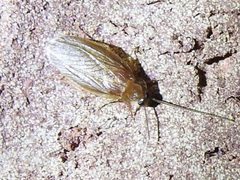
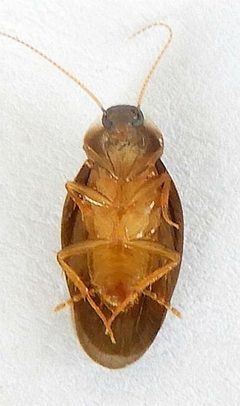
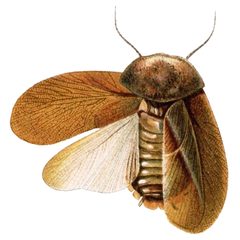
Compsodes is a of small, hooded in the Corydiidae, established by Hebard in 1917. The genus contains at least four described distributed across Central America, the Caribbean, and the southern United States. Members are characterized by a distinctive hood-like pronotal structure that covers much of the . These cockroaches are primarily associated with sandy .
Pronunciation
How to pronounce Compsodes: //ˈkɒmpsəˌdiːz//
These audio files are automatically generated. While they are not always 100% accurate, they are a good starting point.
Identification
Compsodes are distinguished from other corydiid by the pronounced hood-like expansion of the pronotum, which extends forward to cover or partially obscure the from above. This structure gives the group its of 'hooded cockroaches.' The body is generally small and somewhat flattened. Specific species identification requires examination of genitalia and other detailed morphological features.
Images
Habitat
Associated with sandy substrates; found in sandy coastal areas, dunes, and other arid or semi-arid sandy environments.
Distribution
Recorded from Mexico, Guatemala, the Dominican Republic, and the southern United States (Arizona, Florida).
Similar Taxa
- LatindiaThe 2022 proposal to transfer Latindia mexicanus to Compsodes reflects ongoing taxonomic uncertainty; these share morphological similarities in the Latindiinae .
More Details
Taxonomic Note
placement has been unstable: historically treated as (iNaturalist), but currently accepted in Corydiidae (GBIF, NCBI, Catalogue of Life). The 2022 research suggesting inclusion of Latindia mexicanus remains provisional and not widely accepted.
Species Count
Four described : C. cucullatus, C. delicatulus, C. perezgelaberti, and C. schwarzi.