Arenivaga bolliana
(Saussure, 1893)
Boll's sand cockroach, Boll's sandroach
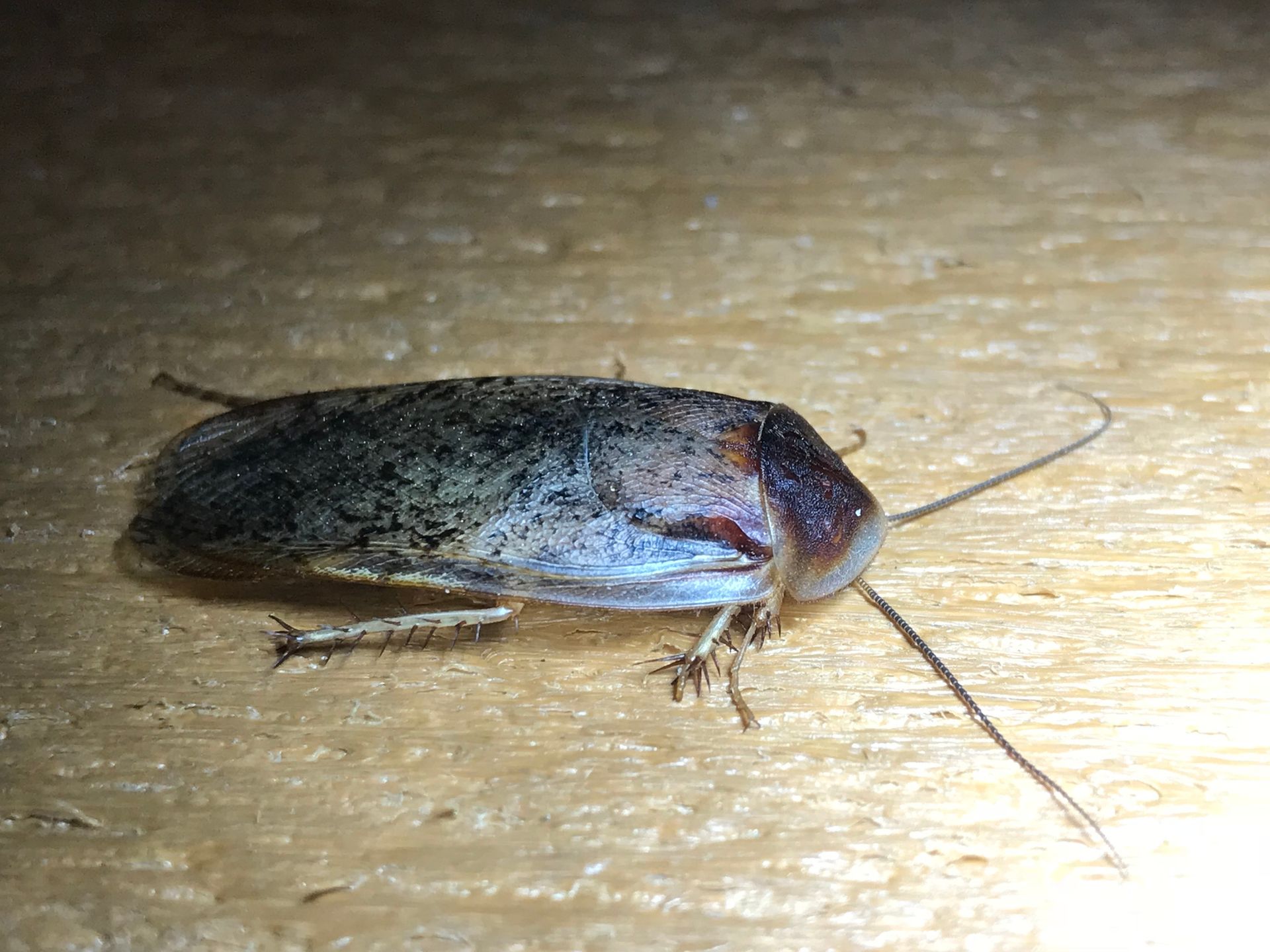
Arenivaga bolliana is a of desert cockroach in the Corydiidae, native to North America. It belongs to a known for extreme , with females wingless and males fully winged. The species inhabits arid and sandy environments, reflecting the family's to harsh, dry rather than the tropical moist conditions typically associated with . Like other Arenivaga species, it is likely subterranean in habit and difficult to detect. The genus was revised in 2014, revealing substantial undescribed diversity, though A. bolliana itself was described in the 19th century.
Pronunciation
How to pronounce Arenivaga bolliana: /ˌɑːrɛˈnɪvəɡə ˈbɒliˌænə/
These audio files are automatically generated. While they are not always 100% accurate, they are a good starting point.
Identification
Identification of Arenivaga bolliana relies on male specimens, as the exhibits dramatic . Males possess fully developed wings (tegmina and hindwings), while females are wingless with a broad, robust body form. Species-level identification requires examination of male genitalia, which are structurally complex and serve as the primary diagnostic characters distinguishing A. bolliana from . Females cannot be reliably associated with males without molecular data or rearing from known individuals.
Images
Habitat
Arid and sandy desert environments; subterranean habits make surface detection uncommon.
Distribution
North America, with records from the northwestern, north-central, northeastern, southwestern, and south-central United States.
Behavior
Subterranean habits result in cryptic ; surface activity is rarely observed. Males are capable of , while flightless females remain below ground.
Ecological Role
As a member of Blattodea, contributes to decomposition and nutrient cycling in arid with limited plant matter.
Similar Taxa
- Arenivaga spp.Other Arenivaga share extreme and desert preferences; distinguished by male genitalia .
- Other Corydiidae members share to dry but differ in body form, distribution, and degree of .
Sources and further reading
- BugGuide
- Wikipedia
- GBIF taxonomy match
- iNaturalist taxon
- NCBI Taxonomy
- Primary Type List | Entomology Research Museum
- Arenivaga-wp - Entomology Today
- Thirty-nine new species of endemic cockroach discovered in the southwestern US and Mexico | Blog
- Pensoft Editorial Team | Blog - Part 130
- Pensoft blog - Part 131
- Bug Eric: The Saga Concludes