
Symploce morsei
Hebard, 1916
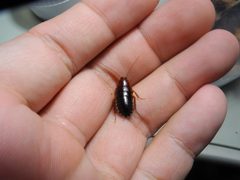
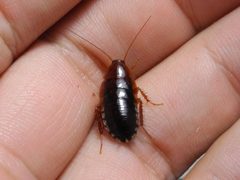
Symploce morsei is a small in the Ectobiidae, originally described by Hebard in 1916. It occurs in the Caribbean region and North America. The species belongs to a of wood cockroaches commonly found in leaf litter and decaying vegetation. Limited ecological data are available for this particular species.
Pronunciation
How to pronounce Symploce morsei: //ˈsɪm.ploʊ.si ˈmɔr.si//
These audio files are automatically generated. While they are not always 100% accurate, they are a good starting point.
Identification
Members of Symploce can be distinguished from similar Ectobiidae by genitalic characters, particularly in males. Symploce morsei specifically requires examination of male genitalia for definitive identification from . General Symploce features include small to medium size, fully developed wings in both sexes, and pale to medium brown coloration.
Images
Distribution
Recorded from the Caribbean (Bahamas, Haiti) and North America. GBIF and iNaturalist data confirm presence in these regions, though specific locality details beyond island records are sparse.
Similar Taxa
- Symploce pallensSimilar Caribbean-North American distribution and preferences; requires genitalic examination to distinguish
- Blattella asahinaiOverlapping range in southern North America and similar small size; differs in wing venation and male genitalia
- Ectobius spp.Related ectobiid with similar general ; Symploce distinguished by male genitalic structure and geographic distribution
More Details
Taxonomic Note
placement varies between sources: Ectobiidae (Wikipedia, GBIF) versus Blattellidae (iNaturalist, NCBI). Ectobiidae is the currently accepted family in major taxonomic revisions.
Data Limitations
Despite 36 iNaturalist observations, published ecological and behavioral studies for this are scarce. Most information must be inferred cautiously from -level Symploce characteristics.