Pycnoscelus surinamensis
(Linnaeus, 1758)
Surinam cockroach, greenhouse cockroach
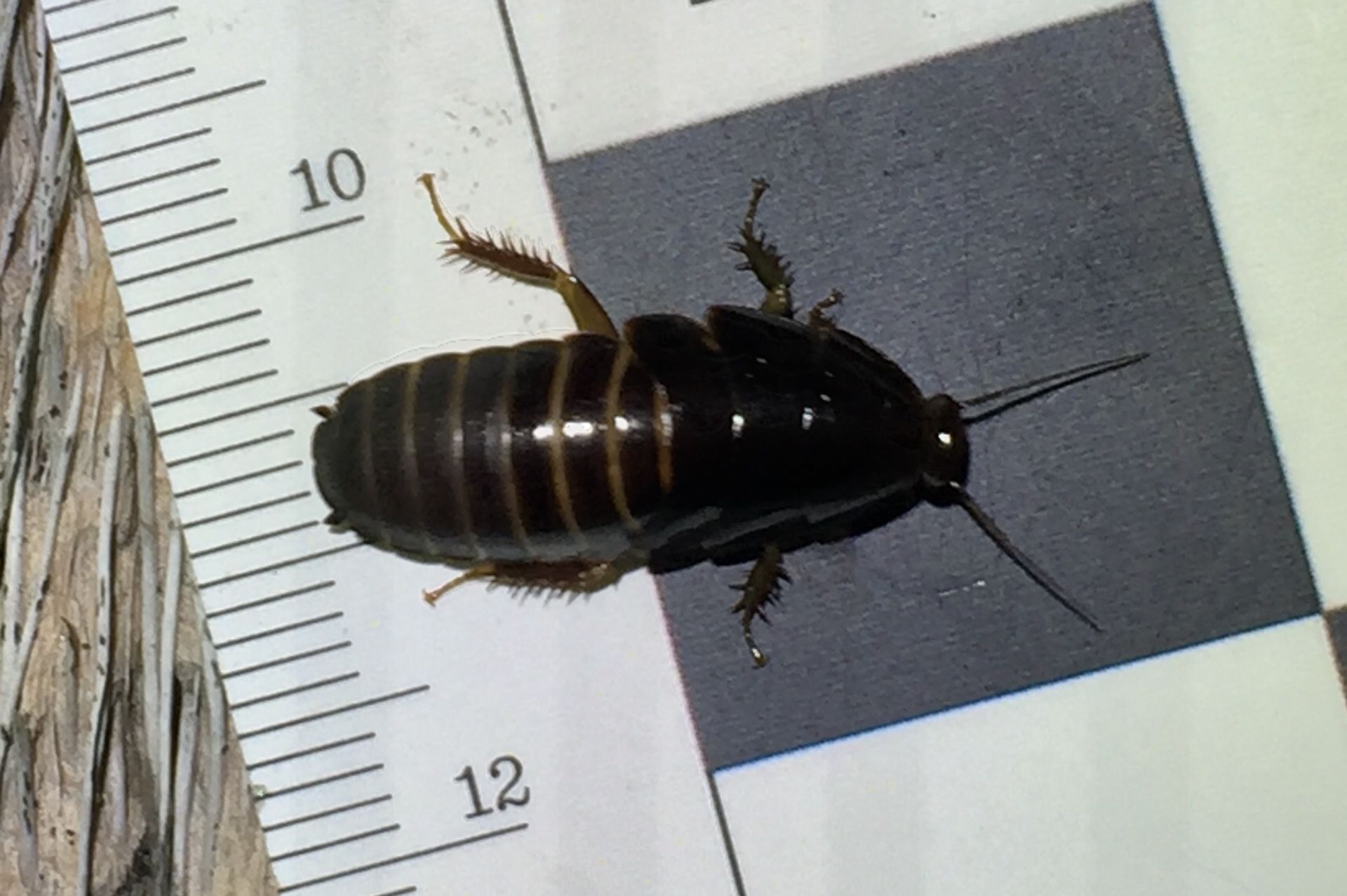
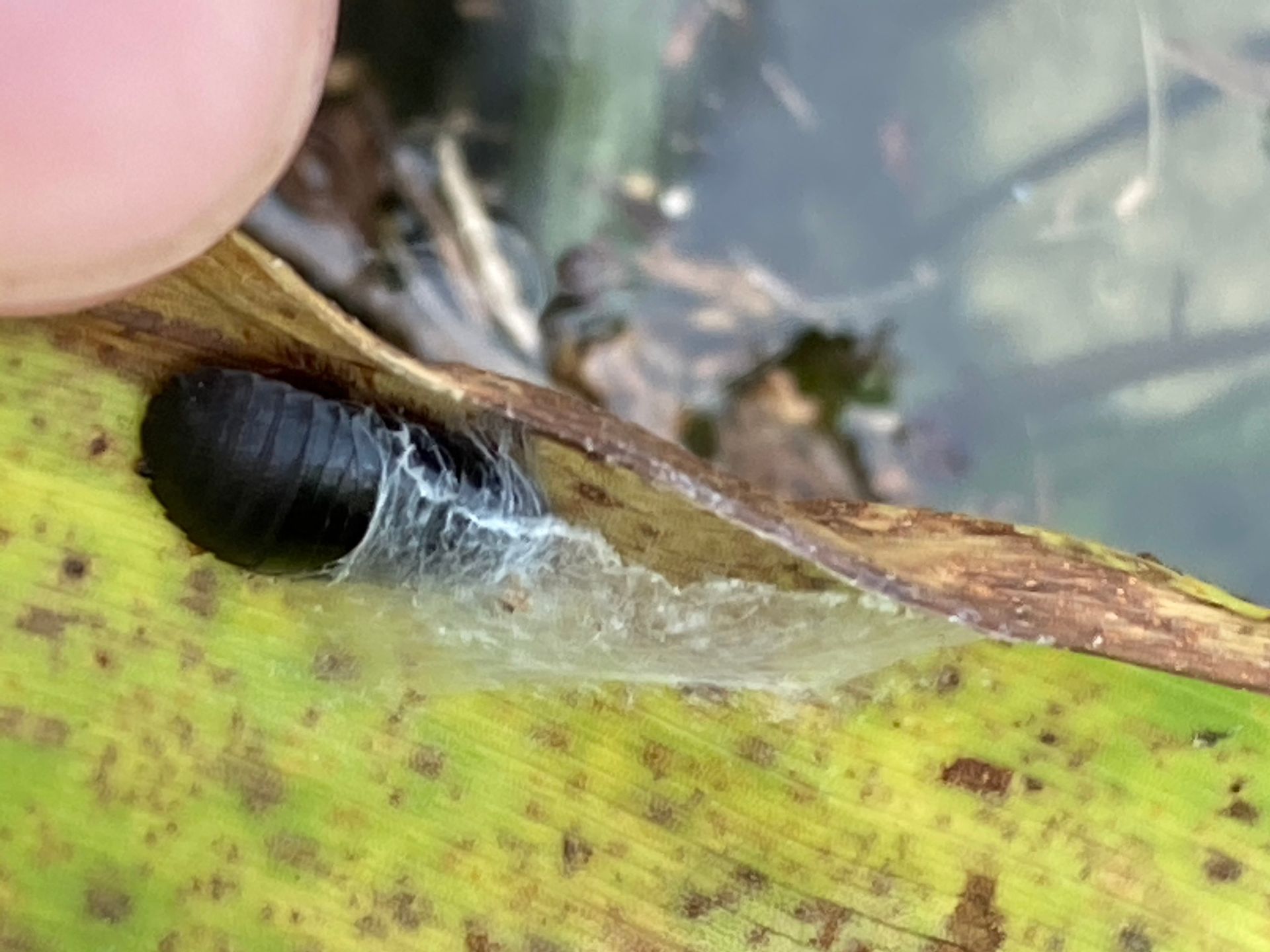
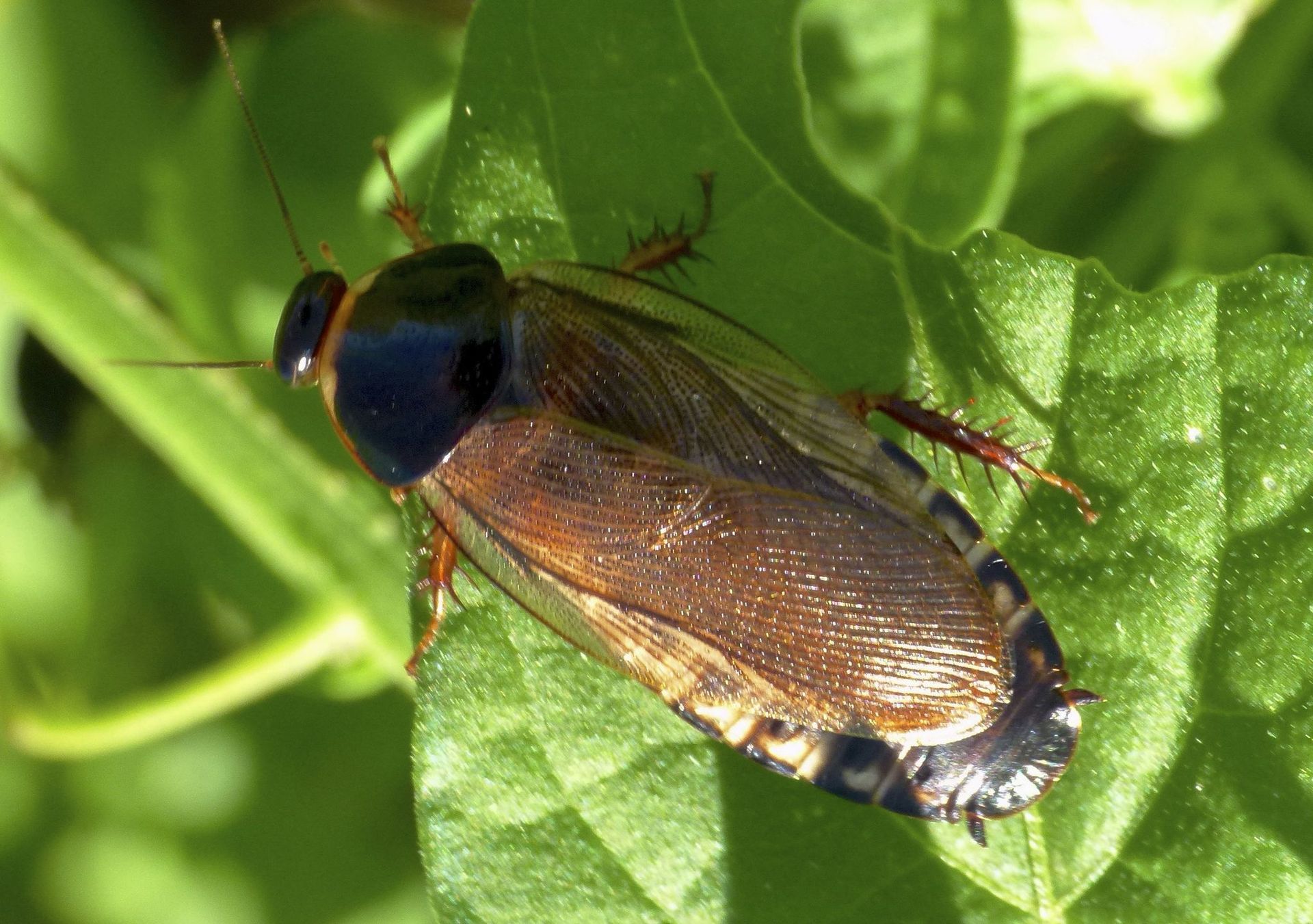
Pycnoscelus surinamensis is a burrowing to the Indomalayan region that has become established in tropical and subtropical regions worldwide. are almost exclusively female, reproducing parthenogenetically through multiple clonal strains. The is a common plant pest that has been transported globally in soil of potted plants, establishing in greenhouses and other protected . It completes its in approximately 135 days through four nymphal instars. The species serves as an intermediate for the poultry Oxyspirura mansoni and exhibits unique false where females retain the internally for an extended period before deposition.
Pronunciation
How to pronounce Pycnoscelus surinamensis: /ˌpɪknoʊˈskɛləs ˌsʊrɪnəˈmɛnsɪs/
These audio files are automatically generated. While they are not always 100% accurate, they are a good starting point.
Images
Habitat
Burrowing requiring substrate for survival and ; found in soil and organic matter. Thrives in greenhouses and protected environments that provide shelter in temperate climates. Associated with plant nursery settings and domestic environments including poultry housing.
Distribution
Native to the Indomalayan region; introduced and established in tropical and subtropical regions worldwide. Present in isolated in temperate climates where greenhouses provide protection. Records include São Miguel (Azores) and documented establishment in Mexico (Nuevo León).
Host Associations
- Oxyspirura mansoni - intermediate Confirmed intermediate for this ; transmission to definitive host (domestic chicken) occurs when are ingested
- Gallus gallus domesticus - associated Found in housing and foraging areas of free-range poultry, facilitating transmission
Life Cycle
Four nymphal instars; complete averages 134.8±4.94 days. is parthenogenetic with almost exclusively female. Developmental stages follow Brooks-Dyar rule with allometric growth patterns.
Behavior
Exhibits false ovoviviparity: females retain internally for prolonged period before deposition, rather than immediate deposition (oviparity) or retention until hatching (true ovoviviparity). Shows substrate preference for cocopeat and vermiculite over leaf litter; survival and offspring production significantly reduced without substrate.
Ecological Role
Intermediate facilitating transmission of Oxyspirura mansoni to poultry, contributing to ocular filariosis in chickens. As a burrowing , contributes to soil organic matter processing in native range.
Human Relevance
Significant plant pest in greenhouses and nurseries; transported globally via soil in potted plants. Veterinary importance as intermediate for poultry Oxyspirura mansoni. Subject of research on , desiccation , and evolutionary of colonizing .
Similar Taxa
- Pycnoscelus indicusSexual ancestor ; distinguished by reproductive mode (sexual vs. parthenogenetic) and ploidy level
More Details
Reproductive Biology
are almost exclusively female, reproducing through with multiple clonal strains including and triploid forms. This reproductive mode facilitates of new by single individuals.
Physiological Research
Extensively studied for desiccation , with nymphal survival strongly associated with body size. Genetic variation in desiccation tolerance preserved across clonal lineages from sexual ancestor, though not strongly selected during .
Morphometric Patterns
All body parameters show hypoallometry except pronotum length which exhibits hyperallometry; antennal body length, width, and pronotum dimensions increase from first to fourth instar with peak at .
Sources and further reading
- BugGuide
- GBIF taxonomy match
- iNaturalist taxon
- NCBI Taxonomy
- Oh, the Bugs They Saw at the Bohart! | Bug Squad
- ecosystems | Blog - Part 3
- Physiological basis of ovipositional behaviour in the false ovoviviparous cockroach, Pycnoscelus surinamensis (L.)
- Studies on Biology, Morphometrics and Substrate Preference of the Burrowing Cockroach <i>Pycnoscelus surinamensis</i> (L.)
- Identification of Oxyspirura mansoni (Spirurida: Thelaziidae) in a free-range hen (Gallus gallus domesticus) and its intermediate host, Surinam cockroach (Pycnoscelus surinamensis) in Monterrey, Nuevo Leon, Mexico
- The effect of life cycle stage and genotype on desiccation tolerance in the colonizing parthenogenetic cockroach Pycnoscelus surinamensis and its sexual ancestor P. indicus