Calvatomina
Yosii, 1966
Species Guides
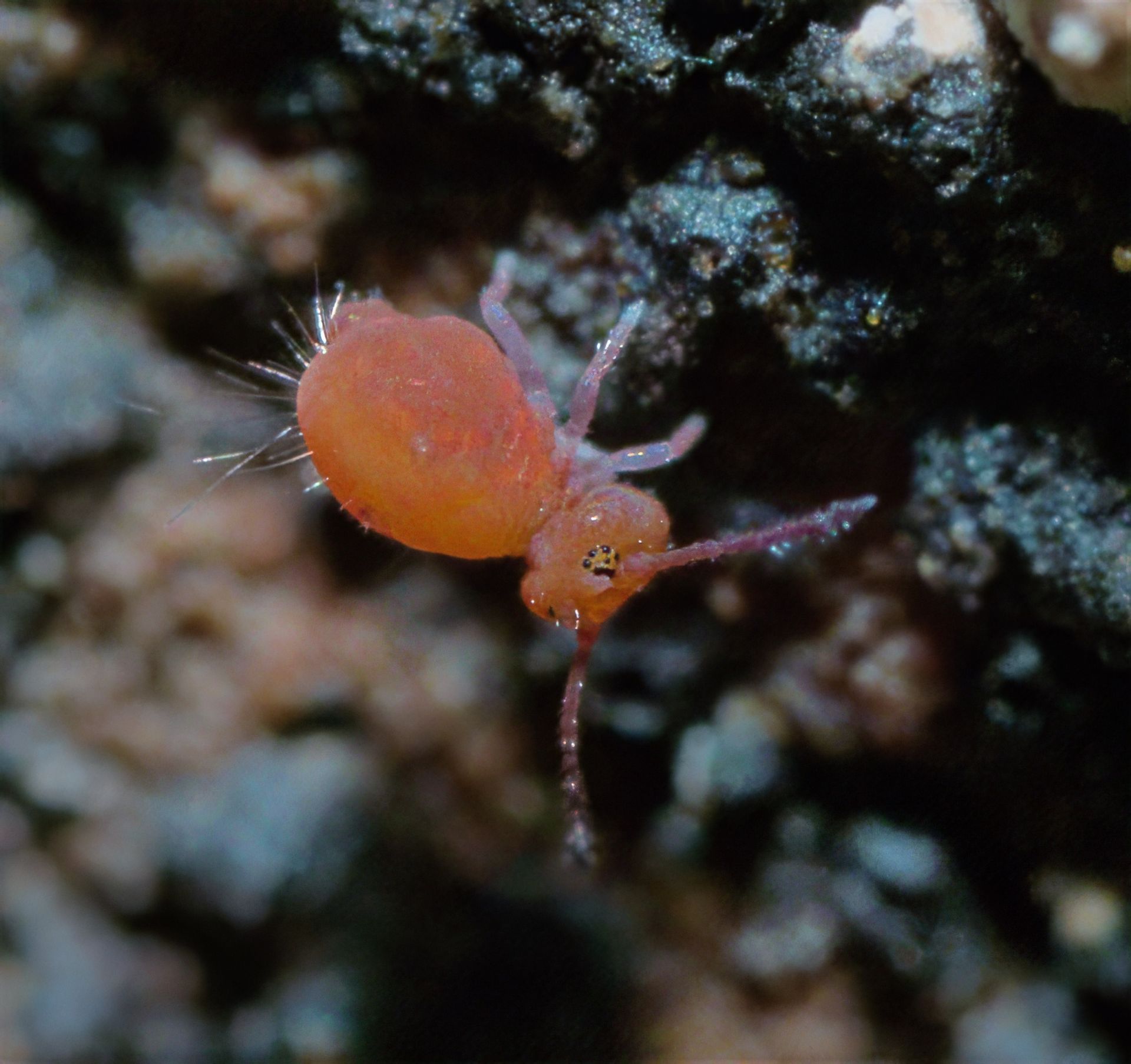
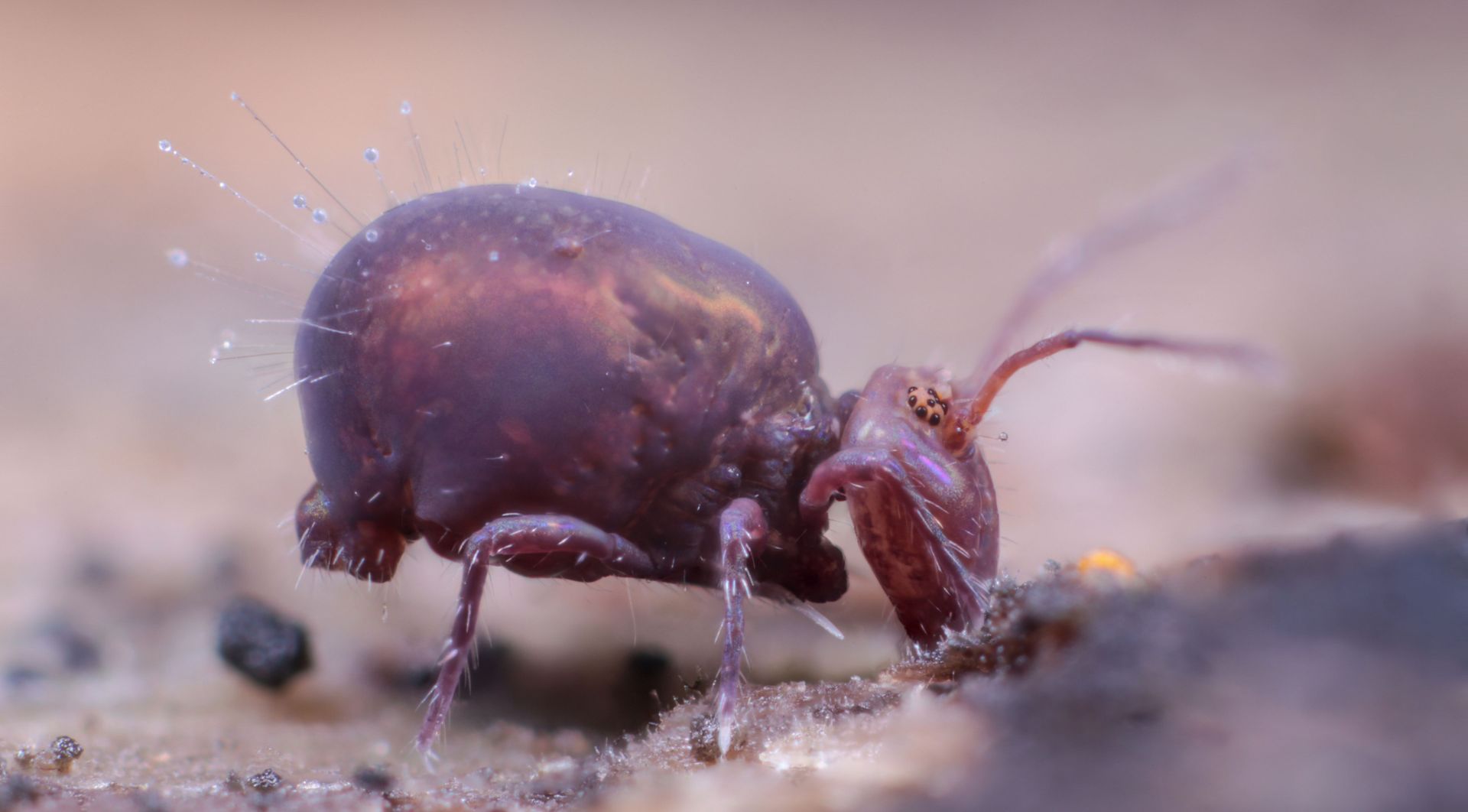
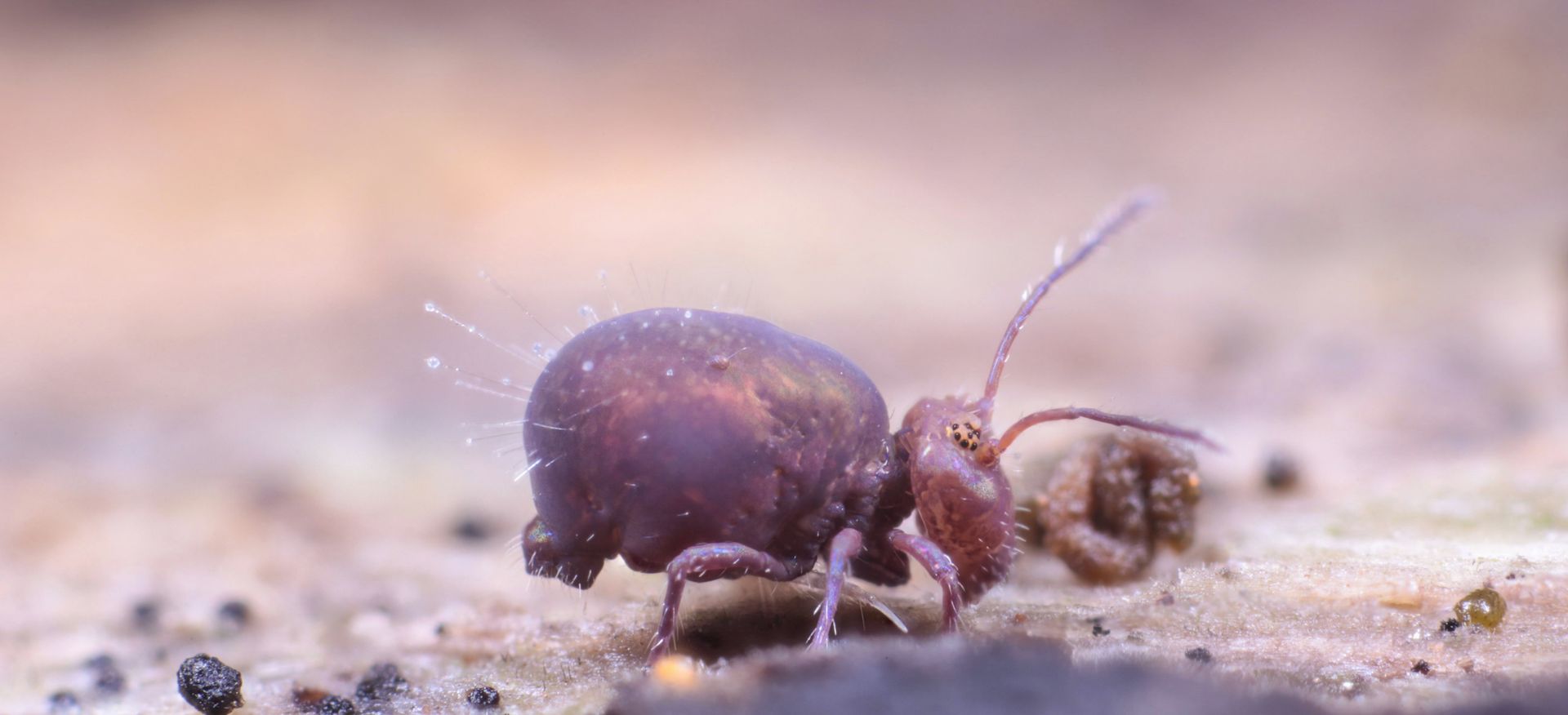
1Calvatomina is a of globular springtails (order Symphypleona) in the Dicyrtomidae, established by Yosii in 1966. These small hexapods are characterized by their rounded body form and are distributed across tropical and subtropical regions including the Amazon, Andes, Caribbean, and Southeast Asia. The genus belongs to the Dicyrtominae, a group known for their distinctive body shape and reduced mouthpart structures. Records from iNaturalist indicate active observation and documentation of this genus, with approximately 170 observations contributing to its study.
Pronunciation
How to pronounce Calvatomina: //kæl.væ.təˈmaɪ.nə//
These audio files are automatically generated. While they are not always 100% accurate, they are a good starting point.
Identification
Separation from other Dicyrtomidae requires examination of chaetotaxy (bristle arrangement), antennal structure, and mouthpart . Distinguished from the related genus Dicyrtomina by subtle differences in body proportions and setal patterns, though precise diagnostic characters require microscopic examination. Identification to level within Calvatomina demands detailed study of genital structures and specific chaetotaxic formulae.
Images
Habitat
Tropical and subtropical forest environments. Occurs in moist microhabitats typical of globular springtails, including leaf litter, soil surface, and decaying organic matter. The recorded distribution suggests preference for humid, warm climates with abundant ground cover vegetation.
Distribution
Neotropical and Oriental regions: Amazon basin, Andean region, Caribbean mainland, Antilles and southern Florida, and continental Southeast Asia. This disjunct distribution pattern indicates either ancient vicariance or limited capabilities across oceanic barriers.
Human Relevance
No documented direct economic or medical importance. Contributes to soil fauna biodiversity in tropical . Observations on iNaturalist suggest potential as a subject for citizen science documentation of diversity.
Similar Taxa
- DicyrtominaCongeneric in Dicyrtomidae; shares globular body form and general preferences. Distinguished by subtle differences in antennal segmentation and chaetotaxy requiring microscopic examination.
- PtenothrixAnother globular springtail in Dicyrtomidae with overlapping geographic range in some regions. Separated by differences in body proportions and the structure of the (springing organ).
More Details
Taxonomic history
Established by Japanese collembologist R. Yosii in 1966. The has received limited taxonomic revision since its description, and -level diversity remains poorly documented.
Phylogenetic placement
Classified within Dicyrtominae, tribe Dicyrtomini (implied by placement), representing a derived lineage within the globular springtail radiation. Molecular phylogenetic studies of Dicyrtomidae are limited, leaving precise relationships within the subfamily unresolved.