
Ceratophysella
Börner in Brohmer, 1932
Species Guides
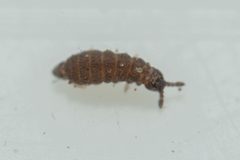
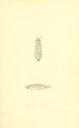
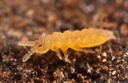
4Ceratophysella is a of springtails (Collembola) in the Hypogastruridae containing at least 100 described . Members of this genus possess eversible vesicles—protrusible adhesive structures on the and end—that function as landing devices during jumping. These vesicles facilitate controlled, directional movement and climbing . The genus exhibits morphological , with surface-active forms possessing antennal vesicles and exhibiting more frequent jumping behavior.
Pronunciation
How to pronounce Ceratophysella: /sɛˈrætoʊfaɪˈsɛlə/
These audio files are automatically generated. While they are not always 100% accurate, they are a good starting point.
Identification
-level identification within Ceratophysella requires microscopic examination of chaetotaxy and other fine morphological characters. The is distinguished from related hypogastrurid genera by combinations of antennal and body setae patterns, though specific diagnostic features vary among species.
Images
Habitat
Terrestrial environments including soil, leaf litter, and tree trunks. At least one , Ceratophysella sigillata, has been documented climbing tree trunks and exhibiting surface-active .
Distribution
Widespread across multiple biogeographic regions including: African Indian Desert, Amazon, Andean, Antarctic & Subantarctic, and Antillean & S. Florida regions.
Seasonality
At least some remain active during winter. Ceratophysella sigillata has been documented exhibiting winter feeding and winter .
Behavior
Ceratophysella sigillata uses protrusible vesicles on and the end as adhesive landing devices to prevent tumbling upon landing, enabling controlled directional jumps without rebounding. Vesicle eversion requires preparation time and does not occur during escape leaps, resulting in uncontrolled landings in those circumstances. The exhibits : surface-active morphs possess antennal vesicles and jump readily, while other morphs lack these structures and jump infrequently. This jumping technique facilitates oriented movement during winter and supports climbing on vertical surfaces.
Human Relevance
Ceratophysella denticulata has been used as a test organism in ecotoxicological studies assessing microplastic from agricultural mulching films.
More Details
Eversible vesicle polymorphism
The presence of antennal vesicles is restricted to surface-active morphs in at least C. sigillata, representing a form of phenotypic plasticity or that correlates with behavioral differences in jumping propensity.
Research limitations
Most detailed behavioral and ecological information available pertains to Ceratophysella sigillata specifically. Generalization of these traits to the entire of 100+ should be made with caution pending broader comparative studies.
Sources and further reading
- BugGuide
- Wikipedia
- GBIF taxonomy match
- iNaturalist taxon
- NCBI Taxonomy
- Catalogue of Life
- Jumping technique and climbing behaviour of the collembolan Ceratophysella sigillata (Collembola: Hypogastruridae)
- Winter feeding behaviour of Ceratophysella sigillata (Collembola: Hypogastruridae) and the significance of eversible vesicles for resource utilisation
- Survival and reproduction effects of microplastics from three agricultural mulching films on Folsomia candida, Sinella curviseta, Heteromurus nitidus and Ceratophysella denticulata (Collembola)
- Winter feeding behaviour of Ceratophysella sigillata (Collembola: Hypogastruridae) and the significance of eversible vesicles for resource utilisationProceedings of the Xth international Colloquium on Apterygota, České Budějovice 2000: Apterygota at the Beginning of the Third Millennium