
Seira
Lubbock, 1870
slender springtails
Species Guides
7Seira is a of slender springtails in the Entomobryidae, first described by Lubbock in 1870. The genus contains approximately 17 described . These springtails are characterized by their elongated body form and are distributed across multiple biogeographic regions including tropical and subtropical areas.
Pronunciation
How to pronounce Seira: /ˈsaɪrə/
These audio files are automatically generated. While they are not always 100% accurate, they are a good starting point.
Identification
Distinguished from other Entomobryidae by the combination of elongated slender body, specific chaetotaxy patterns, and the structure of the mucro ( part of furcula). Differs from closely related such as Lepidosira and Willowsia by details of antennal segmentation, body scaling, and dental spine formula. Identification to level requires microscopic examination of chaetotaxy and genital structures.
Images
Appearance
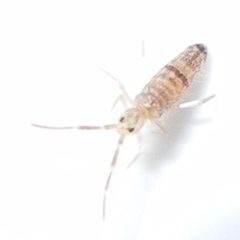
Elongated, slender body form typical of the Seirinae . Body length varies by but generally small (1-3 mm). Coloration ranges from pale to dark, often with patterned or mottled pigmentation. are long and segmented. Furcula (springing organ) well-developed, allowing for characteristic jumping locomotion. Body covered with setae, with chaetotaxy patterns used in species identification.
Habitat
Found in leaf litter, soil, and decaying organic matter in forested and agricultural environments. Often associated with moist microhabitats under bark, stones, or in decomposing vegetation. Some have been recorded in caves and subterranean environments.
Distribution
Recorded from multiple biogeographic regions: African Indian Desert, Amazon basin, Andean region, Antillean islands and southern Florida, and Cape region of South Africa. Distribution is primarily tropical and subtropical with some extension into temperate zones.
Seasonality
Activity patterns vary by region; in temperate areas, peak during spring and autumn when soil moisture is adequate. In tropical regions, activity is more continuous but may decrease during dry seasons.
Diet
Feeds on decaying organic matter, fungal , and microbial films. Specific dietary preferences vary among but generally function as decomposers in soil .
Life Cycle
Development is ametabolous (no ). Juveniles resemble in form, differing primarily in size, chaetotaxy, and sexual maturity. are deposited in soil or leaf litter. Rate of development and number of per year varies with climate and .
Behavior
Uses furcula for rapid escape jumps when disturbed. Generally cryptic, remaining in soil litter layer or under cover objects. Some have been observed to aggregate in favorable microhabitats.
Ecological Role
Human Relevance
No direct economic importance. Occasionally encountered in agricultural soils where they contribute to soil health. Not known to be pests or of .
Similar Taxa
- LepidosiraSimilar elongated body form and preferences; distinguished by differences in antennal structure and body scaling.
- WillowsiaOverlaps in general and ; differs in details of dental spine formula and mucro structure.
- EntomobryaSame but generally more robust body form and different color patterns; Seira is more slender with distinct chaetotaxy.
More Details
Taxonomic Note
Classification of Seirinae has been revised multiple times; some authorities have placed Seira in Paronellidae rather than Entomobryidae. The Catalogue of Life currently lists Paronellidae as the , while NCBI and iNaturalist retain Entomobryidae. This reflects ongoing debate about and family-level boundaries within Entomobryomorpha.
Research Status
The is understudied relative to its diversity; many descriptions are old and based on limited material. Modern taxonomic revision using molecular methods is needed.