
Limnoriidea
Brandt & Poore in Poore, 2002
Gribbles and allies
Limnoriidea is a suborder of marine isopod crustaceans containing three : Hadromastacidae, Keuphyliidae, and Limnoriidae. Members are commonly known as gribbles and allies. The group is distinguished by wood-boring habits in many , particularly within Limnoriidae. They are exclusively marine and play a significant role in coastal through wood decomposition.
Pronunciation
How to pronounce Limnoriidea: /lɪmnɔˈriːɪdiə/
These audio files are automatically generated. While they are not always 100% accurate, they are a good starting point.
Identification
Limnoriidea can be distinguished from other isopod suborders by morphological adaptations for wood-boring, including robust and a compact body form in Limnoriidae. The three constituent share a common superfamily Limnorioidea but differ in specific mandibular and body structures. Keuphyliidae and Hadromastacidae are less studied than Limnoriidae and lack the extreme wood-boring specialization of that family.
Images
Habitat
Exclusively marine environments. Limnoriidae are found in coastal waters where they bore into submerged wood, including driftwood, pilings, and ship hulls. Hadromastacidae and Keuphyliidae occupy marine but their specific microhabitat preferences are less documented.
Distribution
Global in marine coastal waters. Distribution follows the availability of woody substrate in marine environments.
Diet
Wood and algal material. Limnoriidae are known to consume lignocellulose from submerged timber, aided by symbiotic bacteria for digestion. Diet of Hadromastacidae and Keuphyliidae is not well documented.
Host Associations
- Submerged wood - and food sourceLimnoriidae bore into and consume wood; other may have different associations
Behavior
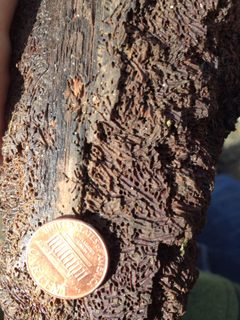
Wood-boring is characteristic of Limnoriidae, with excavating tunnels in submerged timber. This activity creates distinctive -filled galleries. Behavioral details for Hadromastacidae and Keuphyliidae are not well documented.
Ecological Role
Significant decomposers of lignocellulosic material in marine coastal . Limnoriidae contribute to the breakdown of driftwood and wooden debris, facilitating nutrient cycling. Their wood-boring activity also influences coastal geomorphology by accelerating erosion of wooden structures.
Human Relevance
Limnoriidae are economically important as pests of wooden maritime structures, including ships, docks, and pilings. Their wood-boring activity causes substantial damage to untreated timber in marine environments, necessitating protective treatments for wooden vessels and coastal infrastructure.
Similar Taxa
- SphaeromatideaAnother suborder of marine isopods; distinguished by lack of wood-boring specialization and different body form
- CymothoidaParasitic and predatory marine isopod suborder; distinguished by different mouthpart and ecological role
More Details
Taxonomic history
Established as a suborder by Brandt & Poore in 2002, replacing earlier informal groupings of wood-boring isopods. The superfamily Limnorioidea was established much earlier by White in 1850.
Symbiotic digestion
Limnoriidae possess chambers housing symbiotic bacteria that assist in breaking down lignocellulose, enabling wood consumption in an otherwise or detritivorous order.