
Lysmata californica
(Stimpson, 1866)
red rock shrimp, lined shrimp
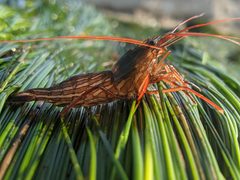
Lysmata californica is a caridean shrimp native to the East Pacific, commonly known as the red rock shrimp or lined shrimp. It inhabits shallow coastal of Southern California where it plays a role in benthic . The species has been studied for its behavioral responses to environmental stressors including ocean acidification and warming.
Pronunciation
How to pronounce Lysmata californica: /lɪsˈmɑːtə ˌkælɪˈfɔːrnɪkə/
These audio files are automatically generated. While they are not always 100% accurate, they are a good starting point.
Images
Habitat
Shallow coastal marine of Southern California. Seasonal and long-term changes in ocean pH and temperature are documented environmental factors in this .
Distribution
East Pacific; specifically recorded from coastal waters of Southern California. GBIF records also indicate presence in New Zealand, though this may represent introduction or misidentification.
Life Cycle
Molting is a critical life process; postmolt recovery periods have been studied under varying environmental conditions.
Behavior
Postmolt including feeding, cleaning behavior, and startle responses have been assessed in research contexts. These behaviors may be altered under ocean acidification and warming conditions.
Ecological Role
Described as a key in Southern California's shallow coastal , suggesting functional importance in local benthic .
More Details
Taxonomic Note
placement has varied between sources: Lysmatidae (GBIF, iNaturalist, Catalogue of Life) and Hippolytidae (NCBI, original Wikipedia description). This reflects ongoing taxonomic revision in caridean shrimp .
Research Context
A 2025 conference abstract (later withdrawn) investigated postmolt behavioral responses to combined pH (8.1 and 7.7) and temperature (12°C and 15°C) conditions over 50-day exposure periods. The withdrawal of this abstract limits confirmation of specific findings.
Sources and further reading
- BugGuide
- Wikipedia
- GBIF taxonomy match
- iNaturalist taxon
- NCBI Taxonomy
- Catalogue of Life
- The Big 43: The California Native Plants, Plus One, Studied in UC Davis Research | Bug Squad
- Bohart Museum: Learn about California's State Insect on UC Davis Picnic Day | Bug Squad
- A Mural Like No Other | Bug Squad
- A Flash of Orange: Welcome, California Tortoiseshell! | Bug Squad
- California Dogface Butterfly: What the Fire Did | Bug Squad
- Bembicid Holdings | Entomology Research Museum
- Postmolt behavior of red rock shrimp, Lysmata californica, exposed to ocean acidification and warming conditions