
Polyphemidae
Genus Guides
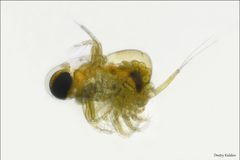
1Polyphemidae is a of predatory water fleas (Branchiopoda) containing the single Polyphemus with two recognized : P. pediculus and P. exiguus. Members are characterized by large, used for capturing prey and a reduced that leaves the body exposed. P. pediculus has a broad Holarctic distribution in freshwater and brackish , while P. exiguus is restricted to the Caspian Sea. Cryptic species have been identified within P. pediculus due to .
Pronunciation
How to pronounce Polyphemidae: /pɒlɪˈfiːmɪdiː/
These audio files are automatically generated. While they are not always 100% accurate, they are a good starting point.
Identification
Distinguished from other cladoceran by the combination of: (1) greatly reduced exposing most of the body; (2) massively enlarged, used for prey capture rather than filter feeding; (3) predatory rather than filter-feeding lifestyle. Differs from other onychopods (family Cercopagidae) in body proportions and antennal structure. Polyphemus are distinguished by distribution: P. exiguus in the Caspian Sea, P. pediculus in Holarctic fresh and brackish waters.
Images
Appearance
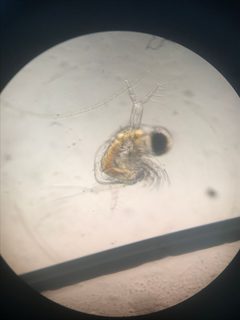
Small predatory crustaceans with a distinctive body plan: the is greatly reduced, forming only a pouch rather than enclosing the entire body. The is large and rounded, bearing a pair of enormous, jointed modified into appendages for seizing prey. The antennae are the primary locomotory and predatory organs. The trunk is elongate and exposed, with thoracic appendages reduced. are prominent. Body size is small, typical of cladocerans.
Habitat
Fresh and brackish waters including small ponds, lakes, and estuaries. P. pediculus occurs across diverse freshwater throughout the Holarctic, including the Gulf of Saint Lawrence and Gulf of Finland. P. exiguus inhabits open pelagic zones of the Caspian Sea. The has been documented in the Pontocaspian Basin.
Distribution
Holarctic region for P. pediculus; Caspian Sea for P. exiguus. Specific country records include Denmark, Norway, and Sweden. The 's distribution has been studied in the Pontocaspian Basin.
Diet
Predatory, feeding on other zooplankton including small crustaceans and rotifers. Prey are captured using the large .
Behavior
Active that use their enlarged to seize prey items. The reduced allows greater maneuverability compared to fully enclosed cladocerans.
Ecological Role
Predatory zooplankton that likely regulates of smaller crustaceans and rotifers in freshwater and brackish . May serve as prey for larger and fish.
Similar Taxa
- CercopagidaeAlso in order Onychopoda with reduced and predatory habits, but differs in body proportions, antennal structure, and geographic distribution (Cercopagis are primarily Ponto-Caspian invaders).
- Other Cladocera (Daphniidae, Bosminidae, etc.)These have complete enclosing the body and are primarily with unmodified for locomotion only, not prey capture.
More Details
Taxonomic note
Polyphemidae is the only in the onychopod infraorder Cladoceromorpha. The Polyphemus contains two nominal , but molecular studies have revealed cryptic species within P. pediculus resulting from .