
Limulus
O.F. Müller, 1785
Atlantic Horseshoe Crabs
Species Guides
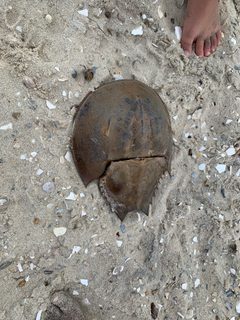
1- Limulus polyphemus(Atlantic horseshoe crab)
Limulus is a of horseshoe crabs in the Limulidae, containing one extant , Limulus polyphemus, commonly known as the Atlantic horseshoe crab. The genus also includes at least one confirmed fossil species, Limulus coffini, from the Late Cretaceous of the United States. Several other fossil species have been assigned to Limulus historically, though many have since been reclassified to other genera. The genus is distinguished from other horseshoe crab genera primarily by geographic distribution and subtle morphological features.
Pronunciation
How to pronounce Limulus: //ˈlɪmjʊləs//
These audio files are automatically generated. While they are not always 100% accurate, they are a good starting point.
Identification
The extant Limulus polyphemus is distinguished from the three Asian horseshoe crab species (Tachypleus tridentatus, Tachypleus gigas, and Carcinoscorpius rotundicauda) by its distribution in the Atlantic coastal regions of North America. Morphologically, Limulus polyphemus lacks the distinct spine found in Tachypleus species and has a more rounded cardiac lobe compared to Carcinoscorpius. The opisthosomal segments show specific patterns that differ from Tachypleus. Fossil species assigned to Limulus require examination of shape, structure, and opisthosomal segmentation for definitive assignment.
Images
Habitat
The extant inhabits shallow coastal marine environments, including estuaries, bays, and continental shelf waters. are found in sandy or muddy substrates from the intertidal zone to depths of approximately 30 meters. Spawning occurs on sandy beaches, particularly in areas with gentle wave action. Juveniles occupy intertidal flats and shallow subtidal zones.
Distribution
The extant Limulus polyphemus ranges along the Atlantic coast of North America from the Yucatán Peninsula to northern Maine, USA. Highest concentrations occur in the Delaware Bay and Chesapeake Bay regions. The fossil species Limulus coffini is known from the Pierre Shale of the western United States (South Dakota, Wyoming).
Seasonality
Spawning activity in the extant peaks during spring high tides, particularly around new and full moons from May through July in northern . Earlier spawning occurs in southern populations. migrate into shallow coastal waters for spawning and return to deeper waters afterward.
Diet
The extant is a benthic omnivore and scavenger, feeding on mollusks, polychaete worms, and other prey. It also consumes and detritus. Food is processed using the gnathobases of the legs and chilaria.
Life Cycle
The extant has a prolonged with multiple instars. hatch into trilobite larvae, which undergo approximately 16 before reaching sexual maturity. Sexual maturity requires 9-11 years. can live for 20 years or more. The fossil record does not preserve life cycle details.
Behavior
The extant exhibits mass spawning on beaches, with males clustering around females. Males use modified clasping appendages (second pair of legs) to attach to female . The species shows tidal and lunar synchronization of spawning activity. Burrowing in sediments is common during non-spawning periods.
Ecological Role
of the extant provide a critical food source for migratory shorebirds, particularly in the Delaware Bay region. The species also serves as prey for sea turtles, sharks, and gulls. As benthic and scavengers, they influence structure in coastal sediments.
Human Relevance
The extant is harvested for in the eel and conch fisheries, and its blood is collected for the Limulus amebocyte lysate (LAL) test, used to detect bacterial in medical applications. Coastal development and overharvesting have caused declines in some areas. The species is not considered edible for human consumption.
Similar Taxa
- TachypleusAsian horseshoe crab distinguished from Limulus by the presence of a distinct spine on the opisthosoma and different geographic distribution (Indo-Pacific).
- CarcinoscorpiusAsian horseshoe crab distinguished from Limulus by a more rounded and triangular cardiac lobe, with distribution limited to Southeast Asian waters.
More Details
Fossil Record
The has a sparse but significant fossil record. Limulus coffini from the Late Cretaceous Maastrichtian of the Pierre Shale represents the only widely accepted fossil . Other named fossil species, including Limulus nathorsti from the Jurassic of Sweden, are considered doubtful or have been reassigned to other genera.
Taxonomic History
The was established by O.F. Müller in 1785. Historically, many fossil horseshoe crabs were assigned to Limulus, but subsequent revision has restricted the genus primarily to the extant Atlantic and closely related fossil forms based on and opisthosomal .