
Phanias watonus
(Chamberlin & Ivie, 1941)
Phanias watonus is a of jumping spider in the Salticidae. It was described by Chamberlin & Ivie in 1941. The species is known from the United States. As a jumping spider, it possesses the characteristic large and salticid hunting .
Pronunciation
How to pronounce Phanias watonus: //ˈfeɪniəs ˈwɑtoʊnəs//
These audio files are automatically generated. While they are not always 100% accurate, they are a good starting point.
Identification
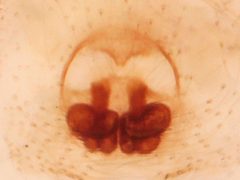
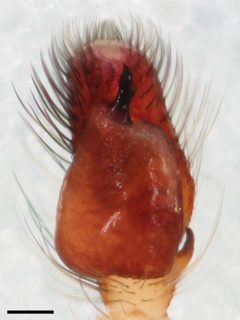
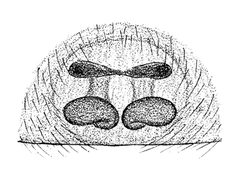
As a member of the Phanias, this can be distinguished from other salticid genera by genitalic characteristics and somatic specific to Phanias. Detailed identification requires examination of in males and in females. It may be distinguished from other Phanias species by geographic distribution and subtle morphological differences, though specific diagnostic features for this species are not well documented in accessible literature.
Images
Distribution
United States. GBIF records indicate presence in North America with confirmed occurrence in the USA.
Behavior
As a jumping spider (Salticidae), this has been observed to exhibit hunting and possesses excellent vision mediated by large . Jumping spiders are known for their complex visual , though specific displays for this species have not been documented.
Similar Taxa
- Other Phanias speciesCongeneric share similar body plans and preferences; precise identification requires examination of reproductive structures.
- Other Salticidae genera in the same regionJumping spiders in the same geographic area may occupy similar microhabitats; Phanias can be distinguished by specific somatic and genitalic characteristics.
More Details
Taxonomic history
Originally described by Chamberlin & Ivie in 1941. The Phanias is part of the diverse jumping spider Salticidae, which contains over 600 genera and more than 6,000 described .
Data availability
This has limited published information. iNaturalist records indicate 9 observations, suggesting it is rarely encountered or underreported. No dedicated species-level studies have been identified in the provided sources.