
Wubana
Chamberlin, 1919
Species Guides
3Wubana is a of sheet-web weaving spiders ( Linyphiidae) to the United States. First described by Ralph Vary Chamberlin in 1919, the genus contains seven recognized as of 2019. These small spiders construct flat, horizontal sheet webs for prey capture. The genus is exclusively North American with no documented occurrences outside the United States.
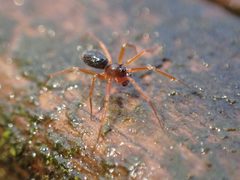
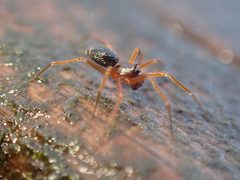
Pronunciation
How to pronounce Wubana: //wuːˈbɑnə//
These audio files are automatically generated. While they are not always 100% accurate, they are a good starting point.
Identification
Wubana are small linyphiid spiders distinguished from other sheet web weavers by genitalic characteristics, particularly male and female epigynal structures. The is morphologically allied to the 'micronetine' group within Linyphiidae. Specific species-level identification requires examination of reproductive structures under magnification.
Images
Distribution
to the United States. Documented from multiple states including type localities across western and central regions. No verified records from Canada, Mexico, or other countries.
Behavior
Constructs horizontal sheet webs, a characteristic foraging strategy of the Linyphiidae. Web architecture consists of a flat silk platform with threads above.
Similar Taxa
- Other Linyphiidae generaWubana can be distinguished from related sheet web weavers only through detailed examination of genitalic ; superficially similar to numerous small linyphiid .
More Details
Taxonomic history
The type , Wubana drassoides, was originally described as Linyphia drassoides by Emerton in 1882 before being transferred to Wubana. Chamberlin described the in 1919 based on western North American material. Six additional species were described by Chamberlin and Ivie between 1936 and 1949.
Etymology
The name is an anagram of 'Nabawa,' though the specific derivation or meaning has not been formally published in the original description.