
Drassyllus
Chamberlin, 1922
Species Guides
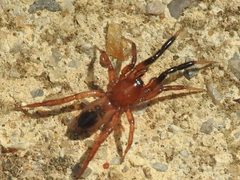
13Drassyllus is a of ground spiders in the Gnaphosidae, established by R. V. Chamberlin in 1922. The genus contains approximately 94 as of 2019. Members are small to medium-sized spiders that inhabit ground-level environments. As with other gnaphosids, they possess a characteristic cylindrical and are primarily hunters.
Pronunciation
How to pronounce Drassyllus: //drəˈsɪləs//
These audio files are automatically generated. While they are not always 100% accurate, they are a good starting point.
Identification
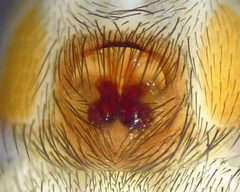
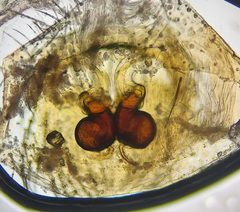
Drassyllus can be distinguished from other Gnaphosidae by genitalic characters, particularly the structure of the male and female . The genus is characterized by specific arrangements of the group and leg spination patterns that differ from related genera such as Gnaphosa and Zelotes. Accurate identification to species level requires microscopic examination of reproductive structures.
Images
Habitat
in this are ground-dwelling spiders found in leaf litter, under stones, and in soil crevices. They occupy terrestrial across a range of from forest floors to open grasslands and occasionally environments.
Distribution
Records indicate presence in Denmark (DK), Norway (NO), and Sweden (SE). The has a broader distribution across the Holarctic region, with documented in North America, Europe, and Asia.
Behavior
Members of Drassyllus are , wandering hunters that do not construct webs for prey capture. They rely on speed and ambush to capture ground-dwelling .
Ecological Role
As of small , Drassyllus contribute to the regulation of soil and litter . They serve as prey for larger invertebrates, birds, and small mammals.
Similar Taxa
More Details
Taxonomic history
The was erected by R. V. Chamberlin in 1922 to accommodate previously placed in other gnaphosid genera. It has undergone significant revision, with many species transferred in or out based on phylogenetic analyses.
Species diversity
With 94 recognized as of May 2019, Drassyllus represents one of the more species-rich within Gnaphosidae. The genus continues to receive taxonomic attention, with new species described regularly from undersampled regions.