Tarsonops
Chamberlin, 1924
Species Guides
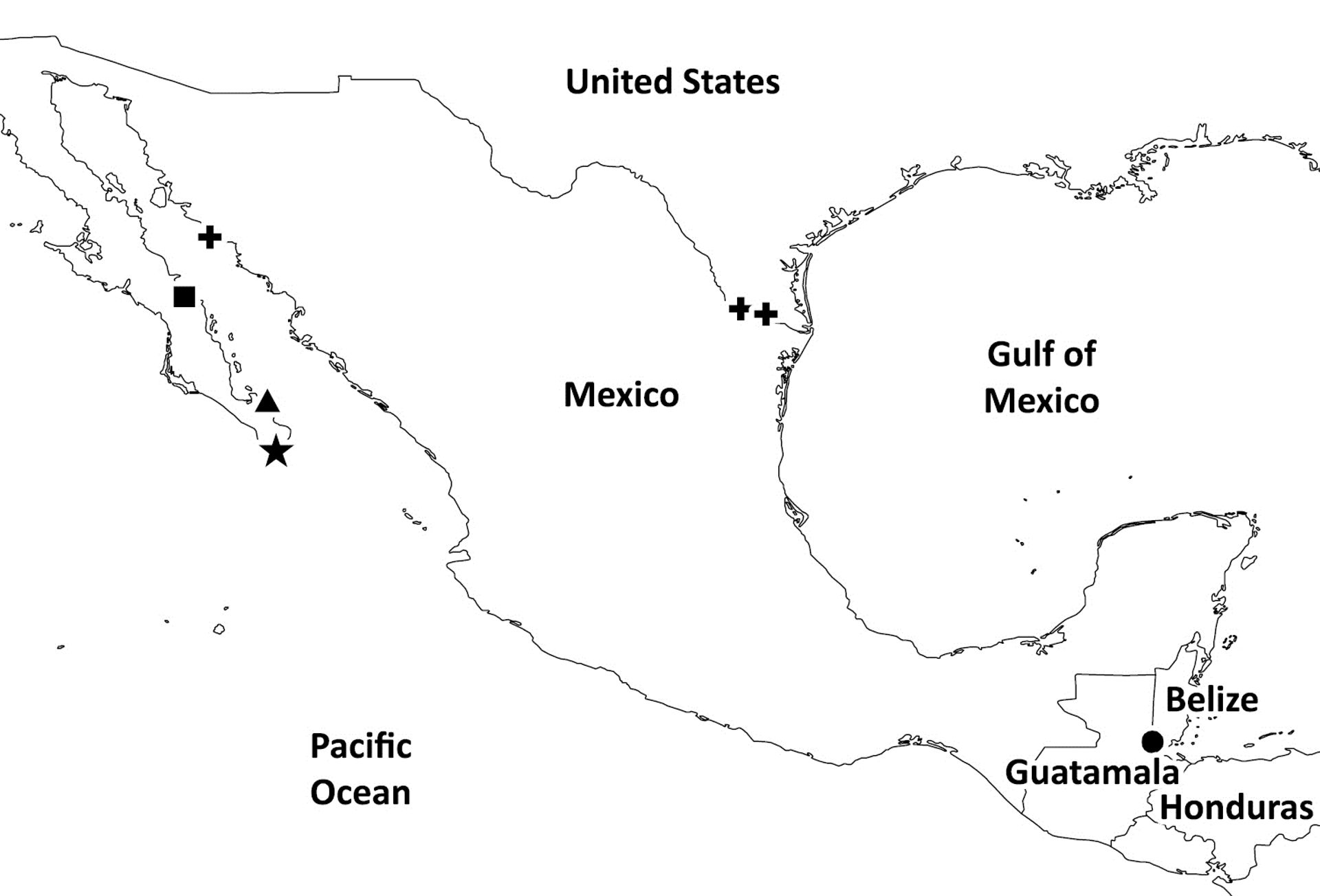
1Tarsonops is a of araneomorph spiders in the Caponiidae, first described by Ralph Vary Chamberlin in 1924. The genus contains seven distributed from Mexico through Central America to Cuba. Most species are known from Mexico, with single representatives in Belize, Panama, and Cuba. These spiders belong to a family characterized by reduced numbers and unusual morphological features.
Pronunciation
How to pronounce Tarsonops: //tɑːrˈsoʊ.nɒps//
These audio files are automatically generated. While they are not always 100% accurate, they are a good starting point.
Identification
Members of Tarsonops can be distinguished from other caponiid by genitalic and somatic characters described in taxonomic revisions. The genus is placed in Caponiidae based on shared characteristics including reduced number (two eyes in most caponiids) and specialized cheliceral structures. -level identification requires examination of male and female .
Images
Distribution
Mexico (five : T. clavis, T. coronilla, T. sectipes, T. sternalis, T. systematicus); Belize (T. irataylori); Cuba and Panama (T. ariguanabo). The shows a primarily Mexican distribution with peripheral occurrences in Central America and the Caribbean.
Similar Taxa
- CaponiusBoth are in Caponiidae with reduced numbers; Tarsonops differs in genitalic and geographic distribution (Caponius is primarily South American)
- NopsAnother caponiid with similar reduction; Tarsonops can be distinguished by somatic and genitalic characters as detailed in revisionary
More Details
Taxonomic history
The was established by Chamberlin in 1924 with T. clavis as the type . A major revision by Sánchez-Ruiz and Brescovit in 2015 added T. coronilla and clarified relationships among species.
Etymology
The generic name combines 'Tarso-' (referring to tarsal structures) with '-nops' (common suffix in Caponiidae , referencing the reduced number characteristic of the ).