Gea heptagon
(Hentz, 1850)
Heptagonal Orbweaver
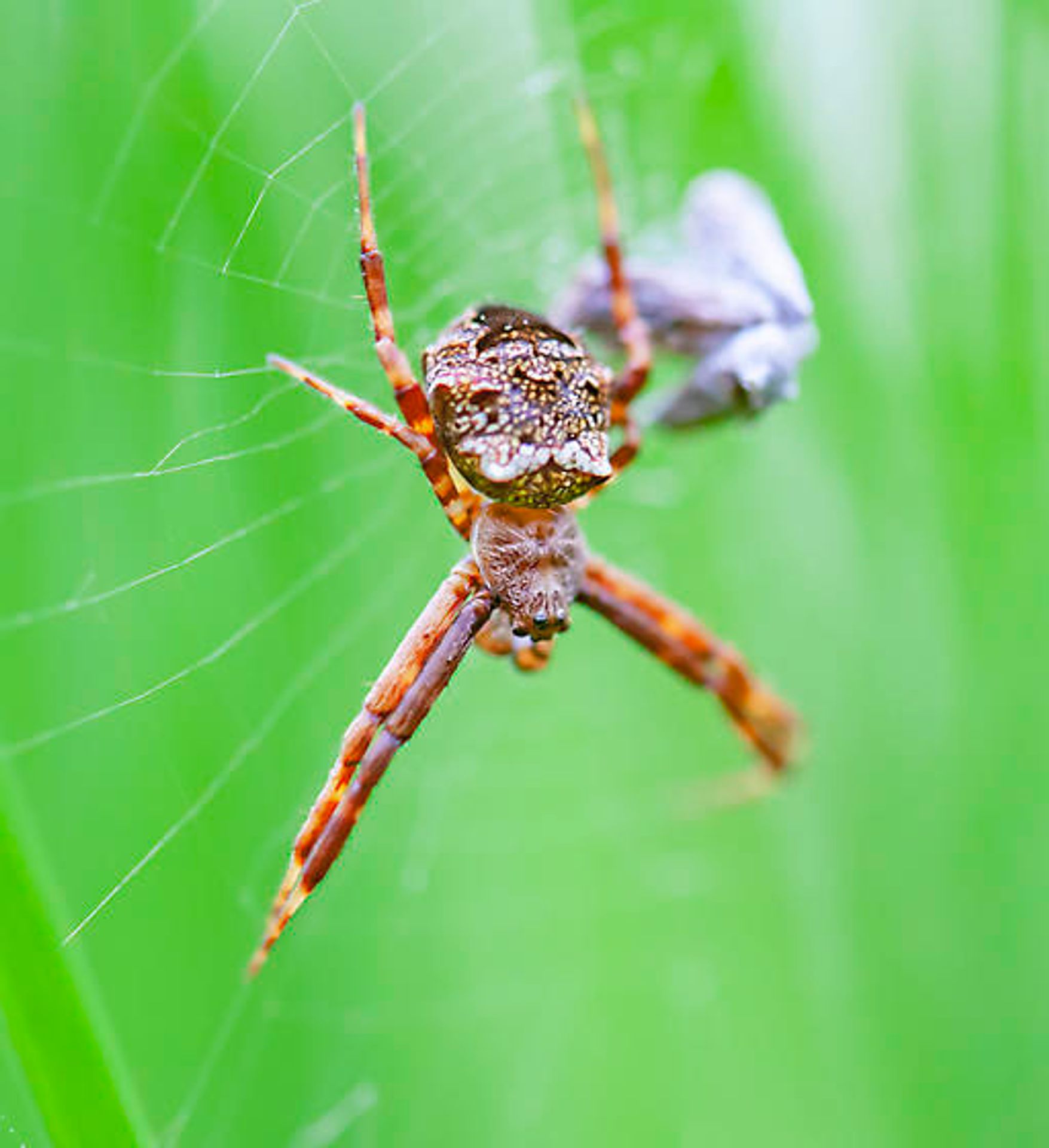
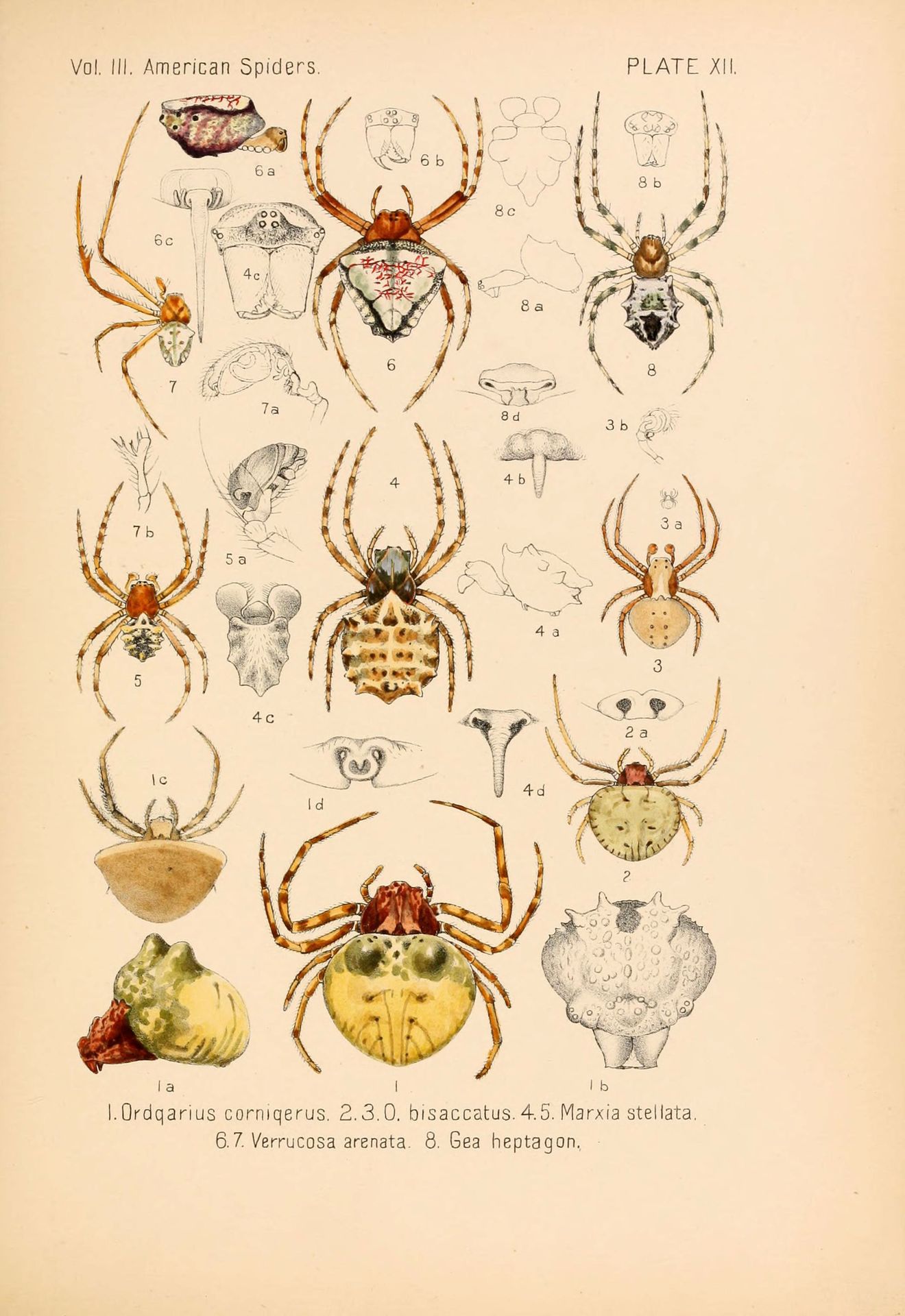
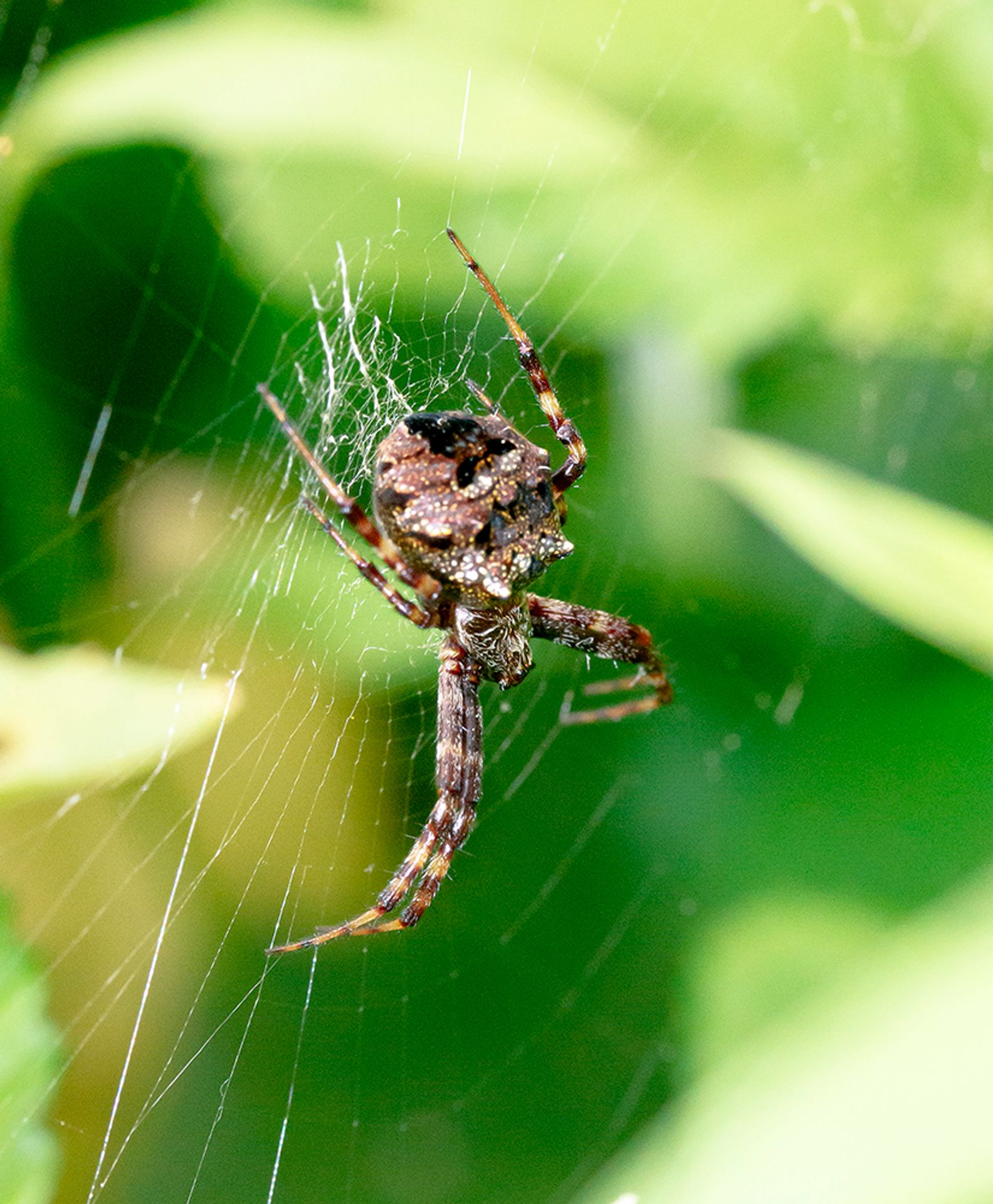
Gea heptagon is a of orb-weaving spider in the Araneidae. It is native to the Pacific Islands and Australia, and has been introduced to the United States and Argentina. The species belongs to a believed to be related to the larger Argiope, though it lacks the prominent (zigzag silk decoration) characteristic of that genus. Observations suggest it builds vertical orb webs with dense viscid spirals in low vegetation.
Pronunciation
How to pronounce Gea heptagon: /ˈɡeɪ.ə ˈhɛp.təˌɡɒn/
These audio files are automatically generated. While they are not always 100% accurate, they are a good starting point.
Images
Habitat
Builds vertical orb webs in low vegetation. The web features a dense viscid spiral and apparently lacks a (zigzag silk decoration) found in related such as Argiope.
Distribution
Native to Pacific Islands and Australia. Introduced and established in the United States and Argentina. Distribution records also include Mexico, Puerto Rico, and Valle del Cauca (Colombia).
Behavior
Drops from the web when slightly disturbed. Does not rest in the center of the web, unlike some related orb-weavers. Lacks the -building seen in Argiope .
Ecological Role
; constructs orb webs to capture flying insects.
Similar Taxa
- Argiope spp.Related with similar orb-web architecture, but distinguished by larger body size, presence of (zigzag silk decoration), and habit of resting in web center.
More Details
Sources and further reading
- BugGuide
- Wikipedia
- GBIF taxonomy match
- iNaturalist taxon
- NCBI Taxonomy
- Catalogue of Life
- Gearing Up for the UC Davis Biodiversity Museum Day | Bug Squad
- UC Davis Biodiversity Museum Day Includes Arboretum Tour of Texas Tree Trials | Bug Squad
- These Entomologists Are a Powerhouse of a Team | Bug Squad
- Bees and CAMBP Prevail at California Honey Festival | Bug Squad
- Bug Eric: City Nature Challenge 2023 Recap
- RIO shifts gears to serve as a project-driven knowledge hub | Blog
- Color Change and Life History Observations of the Spider Gea Heptagon (Araneae: Araneidae)