
Riccardoellinae
Riccardoellinae is a of mites within the Ereynetidae, order Trombidiformes. These prostigmatic mites are part of the diverse soil and litter mite fauna. Members are small, soft-bodied arachnids with limited published documentation. The subfamily was established to accommodate with distinctive morphological features separating them from other Ereynetidae.
Pronunciation
How to pronounce Riccardoellinae: /rɪˌkɑrdoʊˈɛlaɪni/
These audio files are automatically generated. While they are not always 100% accurate, they are a good starting point.
Identification
Separation from other Ereynetidae relies on detailed examination of setal arrangements, particularly on the tibiae and of the legs, and the structure of the gnathosoma. The subfamily is distinguished by specific chaetotaxic patterns that differ from Ereynetinae. Identification to requires slide-mounted specimens and microscopic analysis of palpal and leg setation.
Images
Appearance
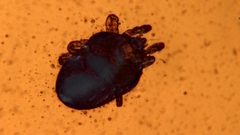
Small mites with soft, unarmored bodies. Body shape generally elongate-oval. Legs relatively long and slender compared to body size. and reduced but present. Setation patterns on the idiosoma and legs are taxonomically significant. Coloration typically pale to yellowish, unpigmented or weakly pigmented.
Habitat
Soil, leaf litter, and humus layers of forest . Associated with decaying organic matter and the rhizosphere. Some records indicate association with moss and fungal substrates.
Distribution
Documented from multiple continents including Europe, North America, and parts of Asia. Specific distribution data limited by under-sampling and taxonomic revision needs.
Seasonality
Activity patterns presumed year-round in suitable microhabitats, with fluctuations influenced by moisture and temperature conditions. Direct seasonal data not established.
Life Cycle
Developmental stages include , larva, , deutonymph, tritonymph, and , following the general pattern of Prostigmata. Specific details for Riccardoellinae unreported.
Ecological Role
Contributes to decomposition processes in soil and litter systems. Participates in nutrient cycling through consumption of fungal and organic detritus. Serves as prey for larger soil arthropods.
Similar Taxa
- EreynetinaeOther in Ereynetidae; distinguished by different leg chaetotaxy and gnathosomal structure.
- Other Prostigmata familiesSimilar size and preference; separated by -level characters including stigmatal position and cheliceral structure.
More Details
Taxonomic history
The has undergone periodic revision as understanding of Ereynetidae relationships has improved. Generic composition may vary between taxonomic treatments.
Research needs
Basic , including feeding and , remains undocumented for most . Molecular data are lacking.