
Ereynetidae
Subfamily Guides
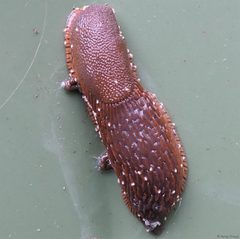
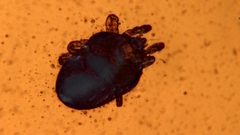
4Ereynetidae is a of prostigmatid mites in the superfamily Tydeoidea. The family includes at least two , with the genus Riccardoella comprising eight . Six Riccardoella species are obligate of terrestrial gastropods, inhabiting the pallial cavity and lungs of land snails, while two species are free-living in soil. Riccardoella limacum is known to cause significant problems in edible snail farming. The family's placement within the supercohort Eupodides remains uncertain based on molecular phylogenetic studies.
Pronunciation
How to pronounce Ereynetidae: /ˌɛrɛɪˈnɛtɪˌdeɪ/
These audio files are automatically generated. While they are not always 100% accurate, they are a good starting point.
Images
Habitat
Terrestrial environments. Most occupy the pallial cavity and lungs of land snails; some species occur in soil. snails include pulmonate gastropods across multiple .
Distribution
Global distribution documented for Riccardoella. Specific collection records from Japan (Tokyo, Shizuoka). GBIF records indicate presence in Norway and Sweden.
Host Associations
- Tauphaedusa tau - of Riccardoella tokyoensis
- Euhadra callizona - of Riccardoella reaumuri
- Arianta arbustorum - Helicid gastropod
- Bulimulid gastropods - -level record
- Helicid gastropods - -level record
- Terrestrial pulmonate gastropods - General group for parasitic
Behavior
Parasitic inhabit the pallial cavity and lungs of terrestrial gastropods. Some species exhibit accidental . Two species are free-living in soil rather than parasitic.
Ecological Role
of land snails. Can cause severe problems in edible snail farming operations, with potential economic impact on heliciculture.
Human Relevance
Riccardoella limacum is a pest of edible snail farms, causing damage to farmed snails and reducing production. No other direct human interactions documented.
More Details
Taxonomic uncertainty
The monophyly of supercohort Eupodides, which includes Ereynetidae, is uncertain based on molecular phylogenetic studies.
Genus composition
The contains at least two : Ereynetes and Riccardoella. Riccardoella contains eight described , with six parasitic and two free-living.