
Neothrombiidae
Genus Guides
1Neothrombiidae is a of mites in the order Trombidiformes, classified within the superfamily Trombidioidea. The family represents a small group of prostigmatid mites with limited documented diversity. Members are parasitic during their larval stage, attaching to insect . forms are free-living . The family has been recorded from limited geographic regions with sparse observation data.
Pronunciation
How to pronounce Neothrombiidae: /niːoʊˈθrɒmbaɪˌaɪdiː/
These audio files are automatically generated. While they are not always 100% accurate, they are a good starting point.
Identification
Distinguished from related in Trombidioidea (particularly Trombidiidae) by larval scutal chaetotaxy and details of the gnathosoma. Identification to family level requires microscopic examination of larval specimens and comparison with type material. The family is rarely encountered in standard mite surveys, contributing to limited identification resources.
Images
Appearance
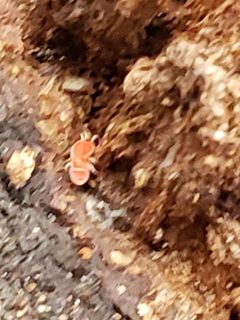
Larval forms possess a single and characteristic cheliceral structures adapted for . exhibit the general trombidiform body plan with well-developed legs and mouthparts for . Specific morphological details distinguishing this from related trombidioid families require examination.
Habitat
Larval stages occur on insect in terrestrial environments. Free-living inhabit soil and leaf litter in forested and grassland . Specific microhabitat preferences remain poorly documented due to limited sampling.
Distribution
Documented records include regions in Europe, North America, and parts of Asia. The sparse distribution data reflects limited systematic survey effort rather than actual rarity. GBIF records indicate fewer than 10 verified observations globally.
Seasonality
Larval on likely occurs during warm seasons when host insects are active. activity patterns are unknown.
Diet
Larvae are of insects. are predatory, feeding on small arthropods and other in soil and litter.
Host Associations
- Insecta - larval Specific records are limited; larvae attach to various insect groups
Life Cycle
Development includes , larva, nymph, and stages. Larvae are parasitic on insects; nymphs and adults are free-living. The duration and developmental details are undocumented.
Ecological Role
Larvae function as regulating insect at low levels. contribute to soil dynamics as of microarthropods.
Human Relevance
No documented economic or medical significance. The is of interest primarily to acarological systematists.
Similar Taxa
- TrombidiidaeOverlapping superfamily Trombidioidea; distinguished by larval scutal and gnathosomal details
More Details
Taxonomic Status
The contains few described and , with the genus Neothrombium as the type genus. The group has received limited taxonomic revision since its establishment.
Research Needs
Basic including range, geographic distribution, and remain unknown for most or all member .