
Lohmanniidae
Berlese, 1916
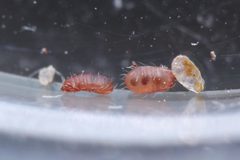
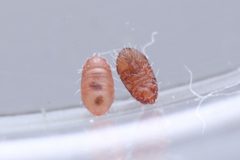
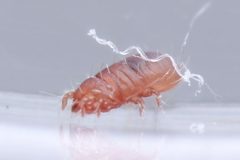
Lohmanniidae is a of oribatid mites comprising at least 20 and 180 described . These soil-dwelling mites are characterized by panphytophagous feeding habits, consuming both higher and lower plant elements including microfungi and semi-degraded leaf litter. Members of this family contribute to decomposition processes and soil function through direct biodegradation of organic matter and indirect effects on microbial .
Pronunciation
How to pronounce Lohmanniidae: /loʊˌmænˈni.aɪdiː/
These audio files are automatically generated. While they are not always 100% accurate, they are a good starting point.
Images
Habitat
Soil , including leaf litter and decomposing organic matter. At least one has been recorded from nests.
Distribution
Global distribution with records from South Africa, India, and other regions. The Lohmannia was first recorded in South Africa from the Franklin Game Reserve, Bloemfontein.
Diet
Panphytophagous: microfungi, semi-degraded leaves, and both higher and lower plant elements. Feeding habits validated through gut analysis and mouthpart in Papillacarus elongatus.
Life Cycle
Development includes and tritonymphal instars; tritonymph described for Lohmannia lerallana.
Behavior
Panphytophagous feeding strategy enables coexistence with other soil organisms.
Ecological Role
Direct involvement in biodegradation of leaf litter; indirect influence on microbial activity in soil ; contributes to detritus .
More Details
Feeding biology validation
Feeding habits in Papillacarus elongatus were validated through examination of gut and structural of mouthparts.
Taxonomic authority
established by Berlese in 1916.
Sources and further reading
- BugGuide
- Wikipedia
- GBIF taxonomy match
- iNaturalist taxon
- NCBI Taxonomy
- Catalogue of Life
- A Study on the Feeding Biology of Soil Oribatid Mite Papillacarus (Papillacarus) elongatus (Acari, Lohmanniidae)
- Contribution to the knowledge of oribatid mites of the family Lohmanniidae (Acari, Oribatida) from South Africa