Xylomyidae
Verrall, 1901
Wood Soldier Flies
Genus Guides
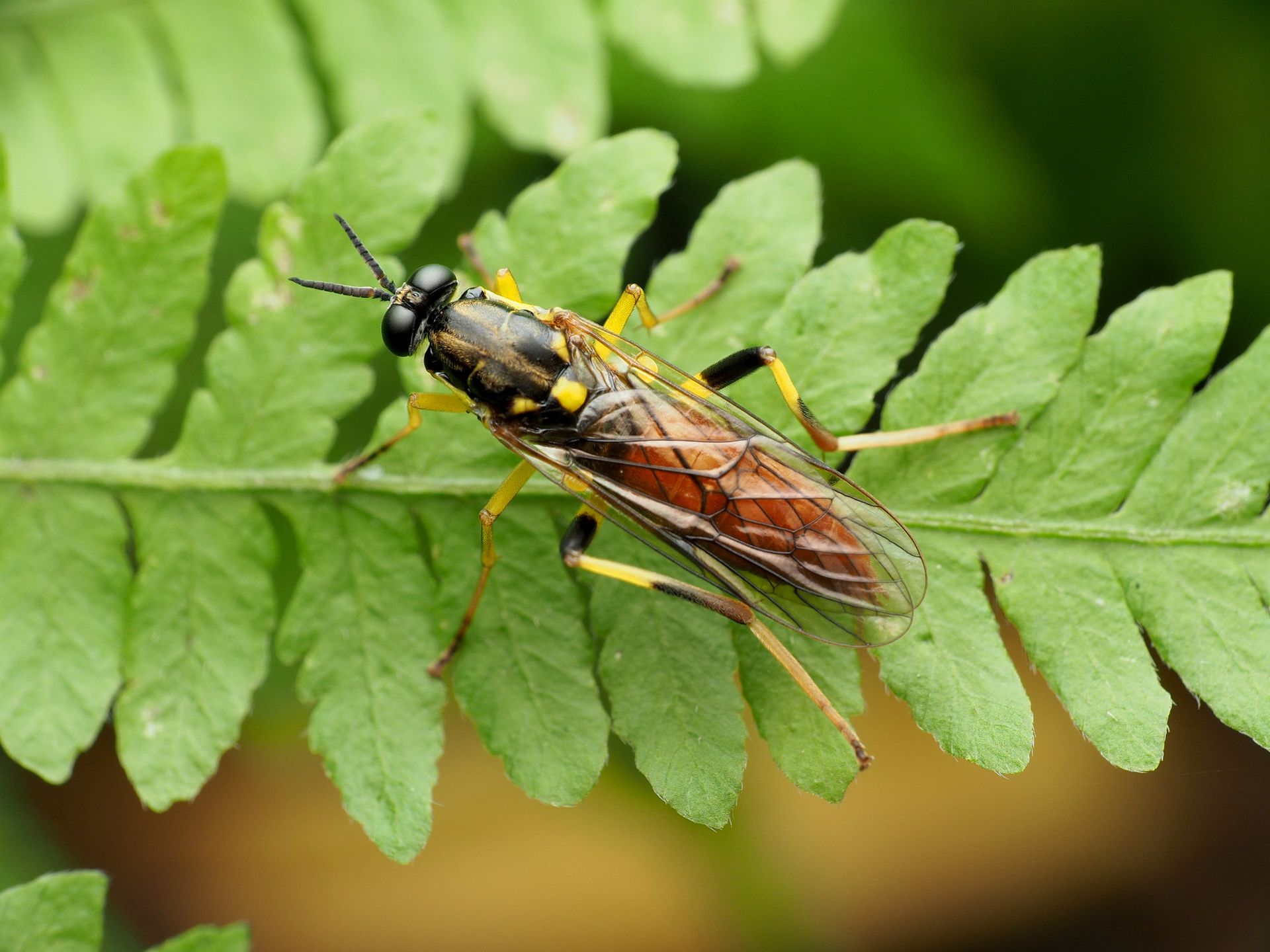
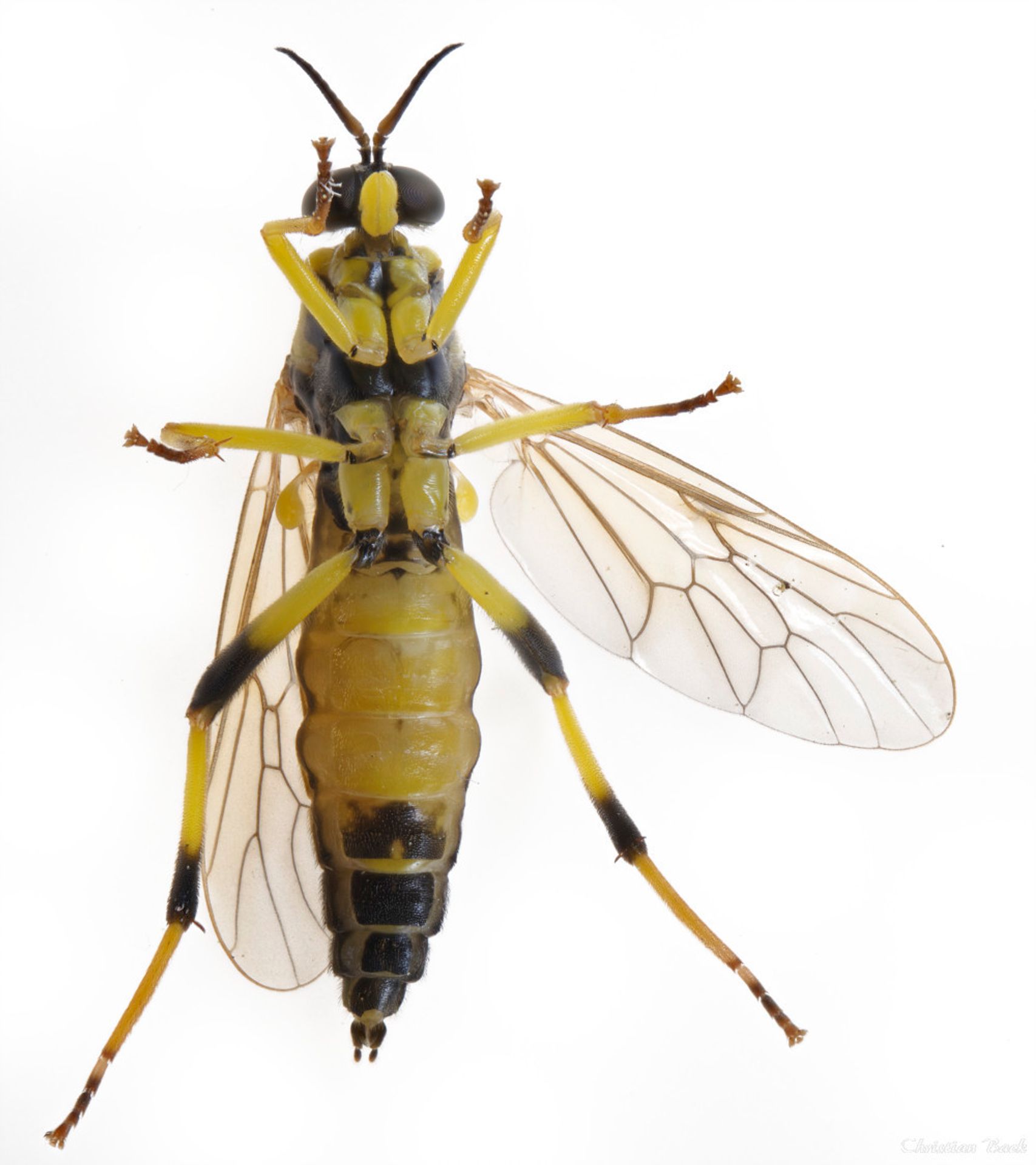
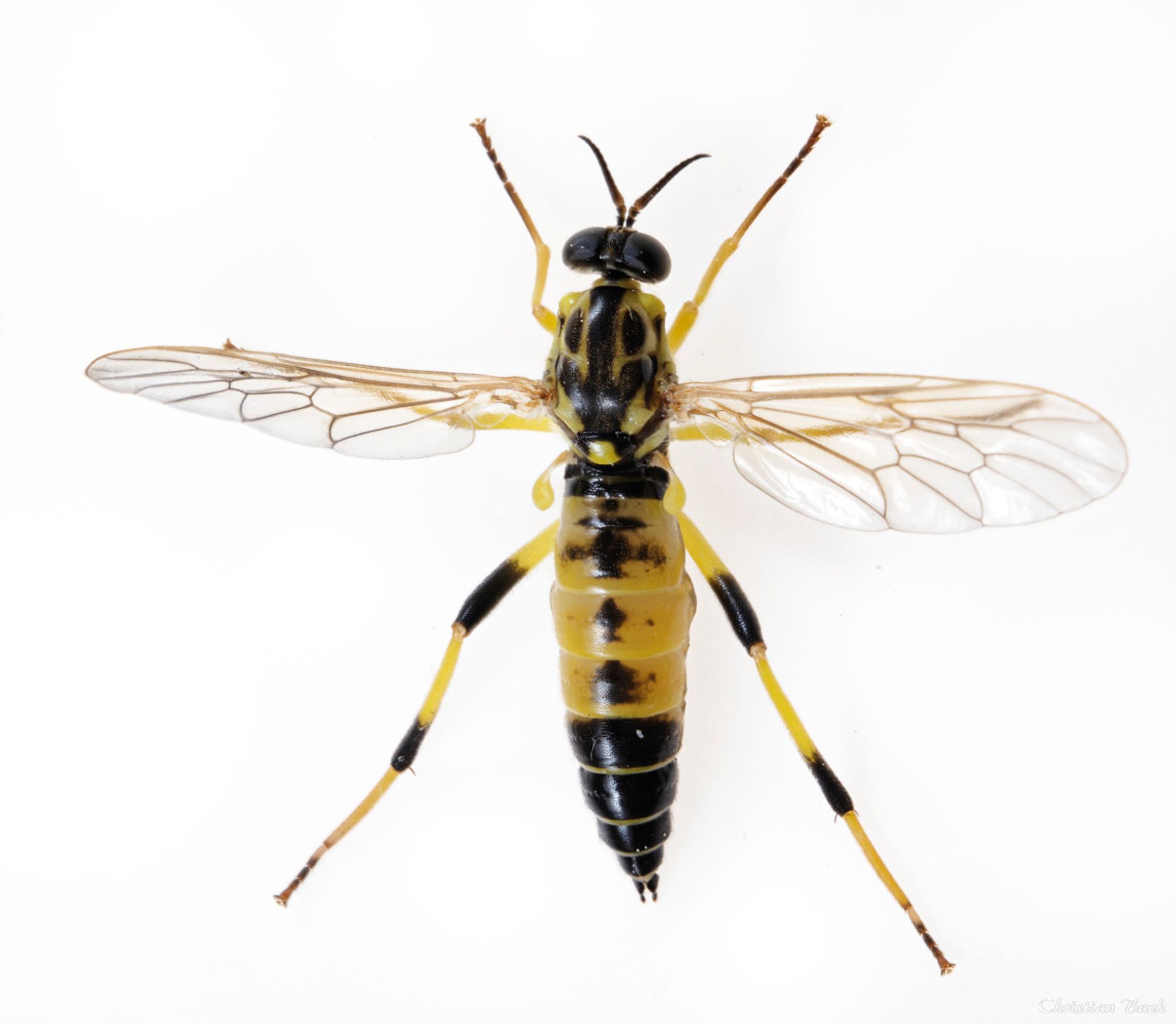
2is a of small to medium-sized flies commonly known as wood soldier flies. The family comprises approximately 138 described across four extant . Members are strongly associated with dead or dying wood, where they carry out their development. The family has a fossil record extending to the Cretaceous period, with several extinct genera known from Burmese and Lebanese amber.
Pronunciation
How to pronounce Xylomyidae: //zaɪˈlɒmi.aɪdiː//
These audio files are automatically generated. While they are not always 100% accurate, they are a good starting point.
Identification
Distinguished from related soldier fly (Stratiomyidae) by the combination of conical and tibial spurs on the mid and hind legs. The association with dead wood provides additional context for field identification. -level identification requires examination of genitalic characters and wing venation patterns.
Images
Habitat
Associated with dead or dying wood, including standing dead trees, fallen logs, and decaying stumps. Larvae develop within decaying wood substrates. are typically found in woodland and forested environments near larval development sites.
Distribution
Widespread across multiple biogeographic regions including the Palaearctic, Nearctic, and Australasian/Oceanian realms. Documented from Great Britain, Japan, Scandinavia (Denmark, Norway, Sweden), and North America (including Vermont, USA).
Diet
Larvae are , feeding on decaying wood. feeding habits are not well documented.
Life Cycle
Larvae develop within dead or dying wood. Complete with , larval, pupal, and stages. Specific details of timing and duration are not well documented for most .
Behavior
have been observed in association with dead wood . Behavioral details beyond habitat association are poorly documented.
Ecological Role
Contribute to wood decomposition processes through larval feeding activity in dead and decaying wood. Serve as a food source for within forest .
Human Relevance
No documented economic importance. Occasionally encountered by entomologists and naturalists in woodland . Some of conservation interest; Xylomyia maculata is listed in the Polish Red Data Book.
Similar Taxa
- StratiomyidaeOverlapping "soldier flies"; distinguished by conical and tibial spurs, and more specialized association with dead wood
More Details
Fossil record
The has a significant fossil record with five extinct described from Cretaceous amber: Archosolva, Cretarthropeina, Cretasolva, and Pankowskia from Burmese amber (Cenomanian, ~100 Ma), and Cretoxyla from Lebanese amber (Barremian, ~125 Ma)
Taxonomic history
Formerly treated as a of Stratiomyidae; elevated to status based on phylogenetic analyses. Authorship sometimes attributed to Verrall, 1901