Corinnidae
Karsch, 1880
corinnid sac spiders, ground and ant-mimic sac spiders
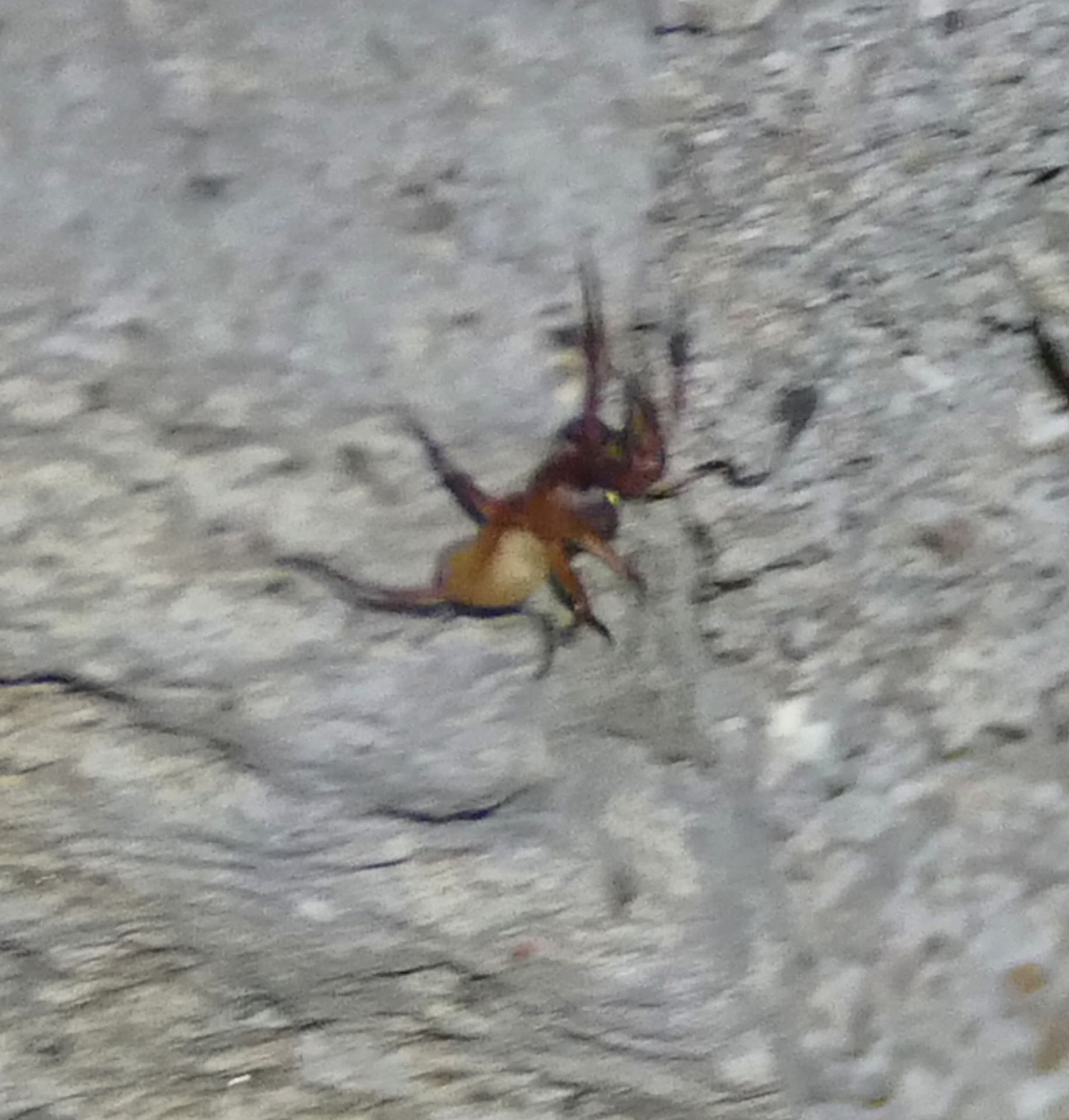
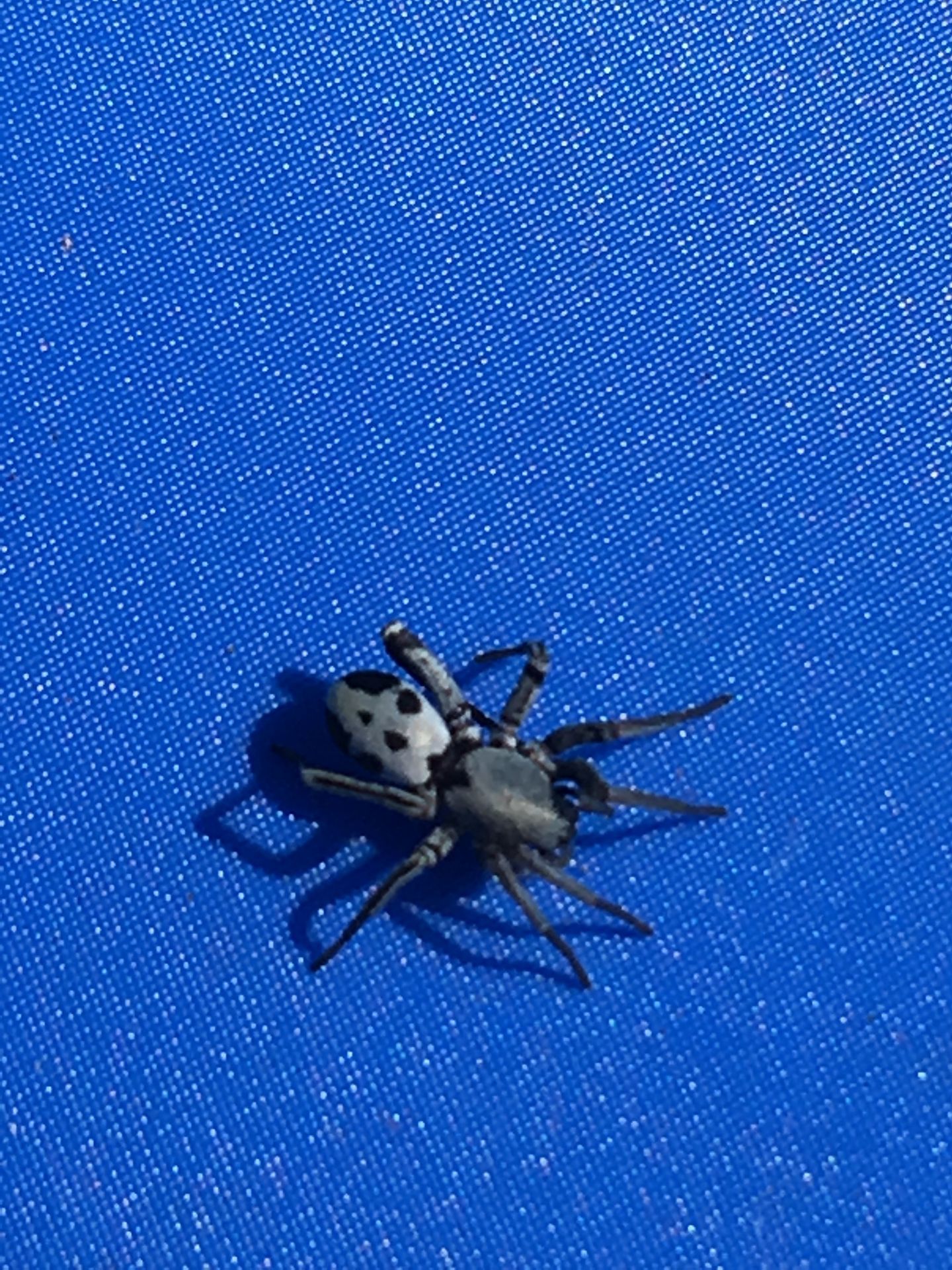
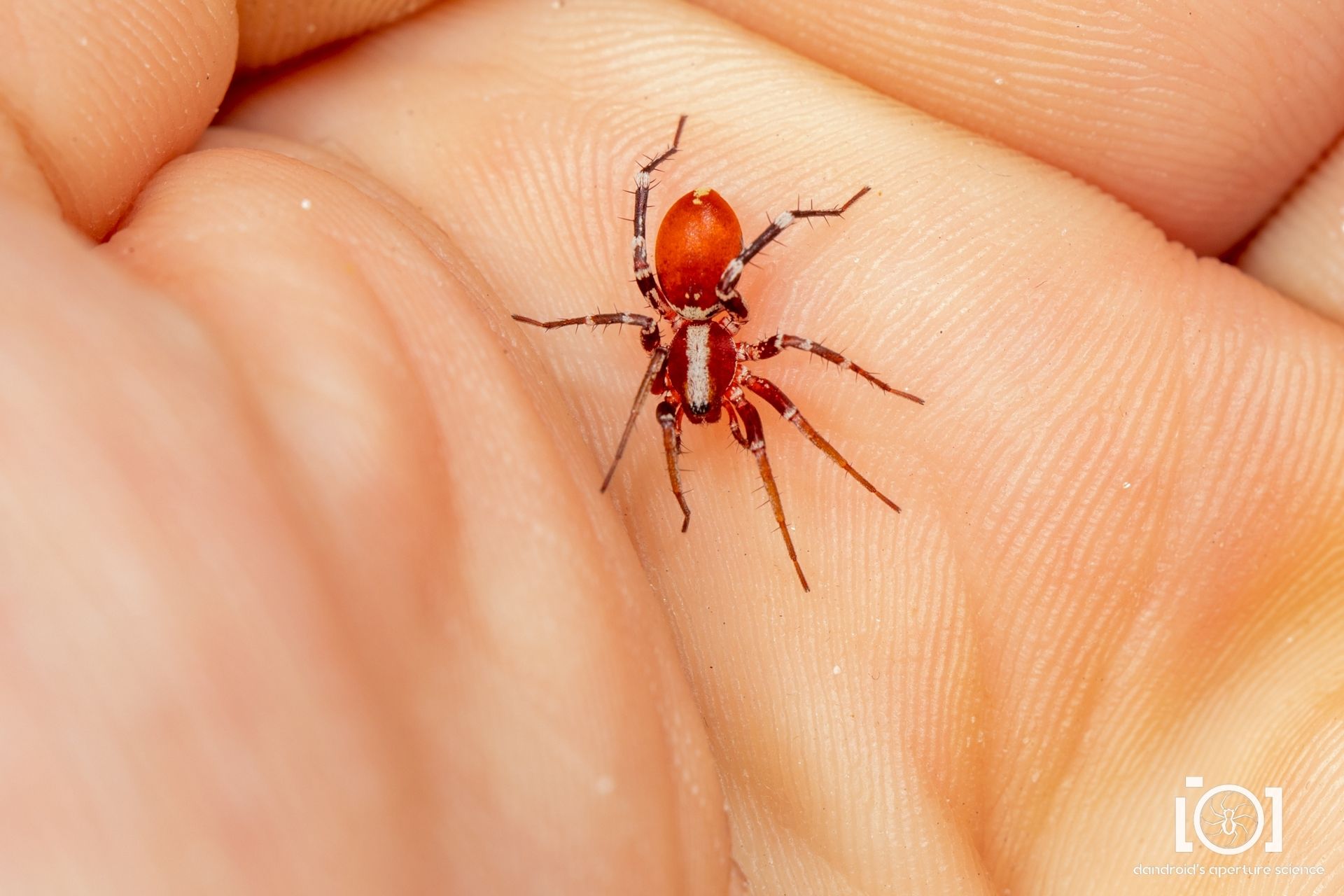
Corinnidae is a of araneomorph comprising over 800 in 71+ worldwide. Formerly part of the catch-all family Clubionidae, the group was redefined in 2014 to include only Corinninae and Castianeirinae. Members are wandering that construct silken sac retreats, with many genera exhibiting - as a defensive strategy. The family includes notable ant-mimicking genera such as Castianeira, Myrmecotypus, Mazax, and Myrmecium.
Pronunciation
How to pronounce Corinnidae: //kəˈrɪn.ɪˌdiː//
These audio files are automatically generated. While they are not always 100% accurate, they are a good starting point.
Identification
Corinnidae can be distinguished from similar by the combination of eight arranged in two rows and conical that touch at the base. -mimicking (Castianeirinae) are recognized by their narrow, elongated bodies, constricted with pale transverse , and ant-like including abdominal bobbing and foreleg waving. These differ from true ants by having only two body versus three, and by possessing eight legs rather than six.
Images
Habitat
Members occupy diverse terrestrial including leaf litter, forest floors, savanna woodlands, and occasionally agroecosystems. Many construct silken sac retreats on , between leaves, under bark, or under rocks. Some -mimicking species are found in association with ant colonies.
Distribution
Worldwide distribution with highest diversity in tropical and subtropical regions. The -mimicking Myrmecotypus ranges from the United States to Argentina, with most concentrated from Mexico to Panama. The genus Copa is widespread throughout the Afrotropical region from West Africa to East Africa and South Africa.
Behavior
Wandering that do not build capture webs. Many , particularly in Castianeirinae, are mimics that exhibit behavioral deception including slow movement, abdominal bobbing, and foreleg waving to simulate . Some species overwinter in dense silken sacs in sheltered situations such as rock crevices and decaying log recesses.
Ecological Role
of small in leaf litter and ground . -mimicking may gain protection from predators by resembling aggressive, chemically-defended ants such as .
Human Relevance
Generally harmless to humans; some occasionally enter buildings. The -mimic Castianeira cingulata is frequently encountered in woodland of eastern North America. Some species have been documented in orchard (avocado, macadamia, pistachio) in South Africa.
Similar Taxa
- ClubionidaeHistorically included within Corinnidae; now separated based on morphological and molecular data. Clubionidae lacks the - and specific and arrangements characteristic of Corinnidae.
- PhrurolithidaeFormerly treated as a of Corinnidae but elevated to status in 2014. Distinguished by different genitalic and ecological preferences.
- TrachelidaeFormerly a of Corinnidae, now recognized as a separate . Trachelidae are ground-dwelling hunters but differ in arrangement and structure.
Sources and further reading
- BugGuide
- Wikipedia
- GBIF taxonomy match
- iNaturalist taxon
- NCBI Taxonomy
- Catalogue of Life
- Spider Alert! Guess Who's Coming to UC Davis? | Bug Squad
- Bug Eric: Spider Sunday: Twobanded Antmimic
- Bug Eric: Wasp Wednesday: Anoplius
- Bug Eric: Spider Season
- Bug Eric: Masters of Mud: Auplopus Spider Wasps
- Uncategorized | Blog - Part 41
- A review of the genus Trachelas (Araneae: Corinnidae) from China
- Taxonomic revision of the genus Tupirinna Bonaldo, 2000 (Araneae: Corinnidae: Corinninae)
- An update on the ant-mimicking genus Corinnomma Karsch, 1880 (Araneae, Corinnidae, Castianeirinae)
- The first Myrmecotypus O. P.-Cambridge (Araneae: Corinnidae) from Argentina: description of Myrmecotypus iguazu new species
- A new species of ant mimicking spider, Myrmecotypus jasmineae (Araneae: Corinnidae: Castianeirinae), from Nicaragua
- Re-description of the type specimens of Corinnommahamulatum (Song & Zhu, 1992) stat. rest. (Araneae, Corinnidae) from Hubei, China.