
- Published on
A Brief History of Entomology
- Authors

- Name
- Mike Porter
- @bugswithmike
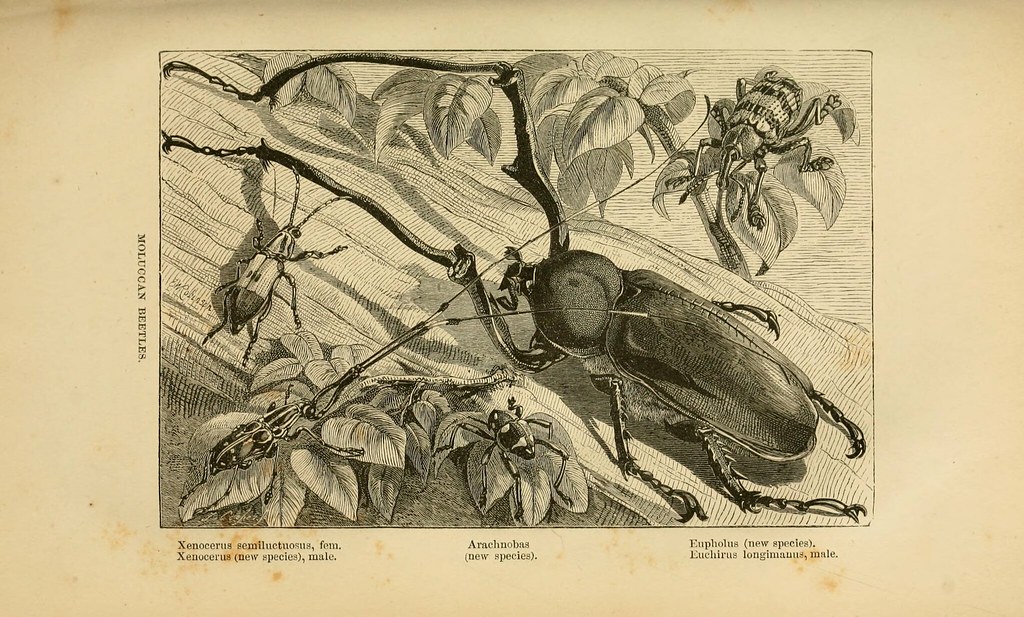
Put simply, entomology is the study of insects. Entomology feels ancient because humans have always had to deal with insects. We ate because of lost crops because of pests, got sick because of and got annoyed because something with six legs found its way indoors again.
But the science of entomology did not arrive all at once. The history of the field is not just “people noticed for a very long time.” It is the story of how insects kept making loose explanations break down. If you wanted to understand them, you had to confront tiny anatomy, absurd diversity, transmission, and ecological relationships that did not fit neatly into older ideas.
The field of entomology evolved over many years from a simple interest in insects to a complex and specialized science.
Before entomology was a field
Histories of entomology usually start with Aristotle in the 4th century BCE, and that is a reasonable place to begin.1 He described insect anatomy and with enough care that modern summaries still treat him as foundational. Pliny the Elder later added more descriptions and natural-history material. But this still was not entomology as a distinct discipline. It was part of a larger attempt to describe the living world.
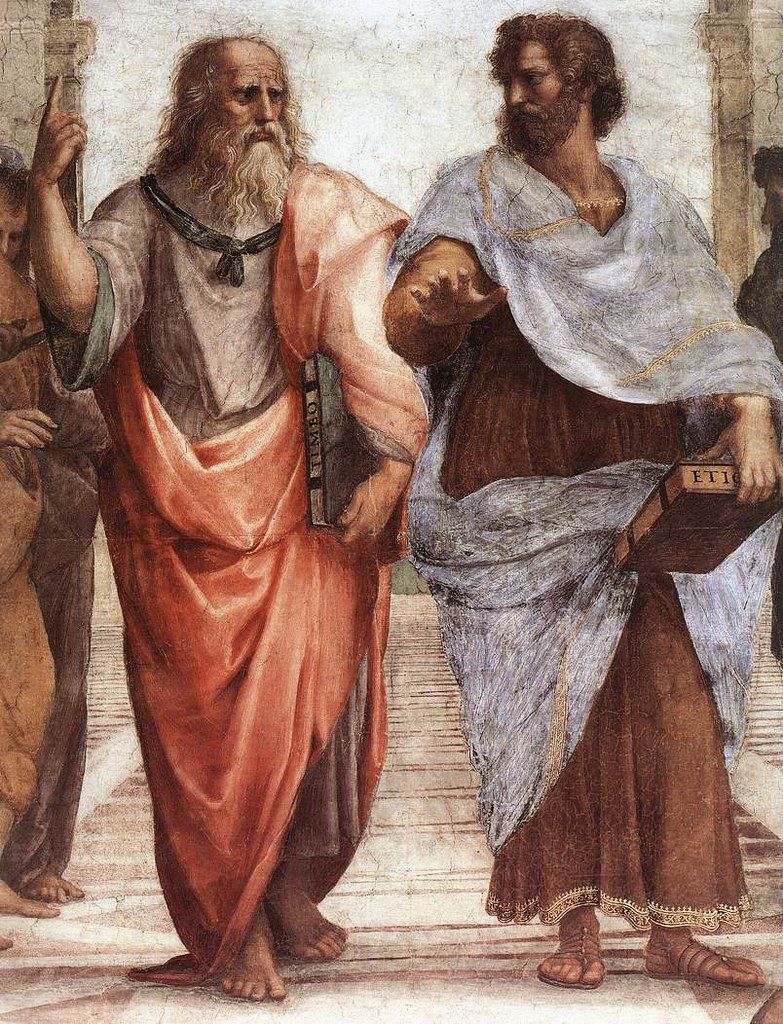
Image by Image Editor
Used under a BY 2.0 license.
So while ancient and medieval scholars paid attention to insects, they did not yet have a specialized science centered on them. Their categories were broad, often grouping together animals we would now separate, and they lacked the tools to examine small structures well. Insects were visible and important. They just were not yet the focus of a discipline with its own methods and infrastructure.
A major milestone came in 1602 with Ulisse Aldrovandi's De animalibus insectis libri septem .2 It is widely regarded as the first book devoted specifically to “insect animals” in the old pre-Linnaean sense. Insects were no longer just scattered through broad natural-history encyclopedias. They were becoming worth a substantial work of their own.
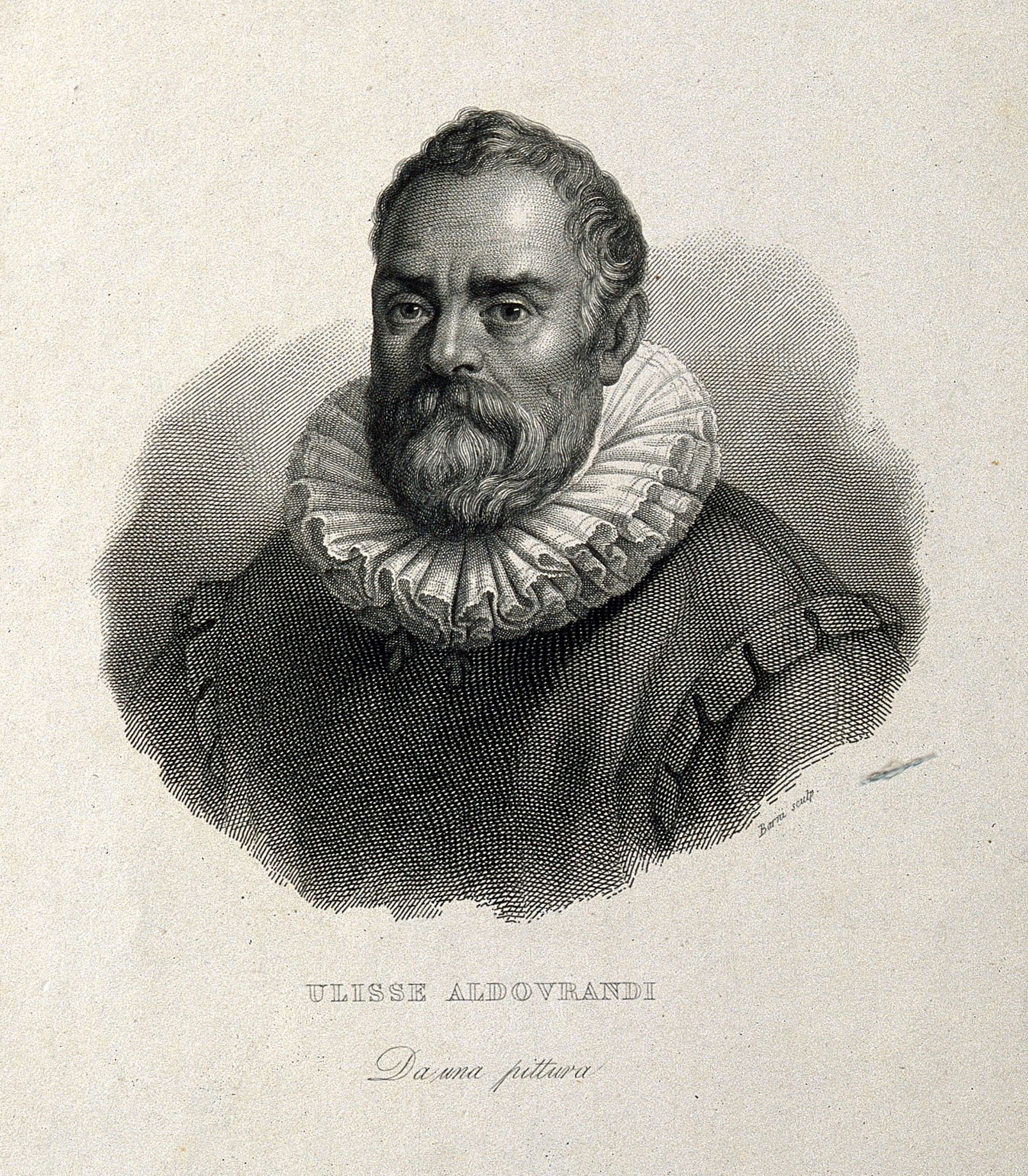
Image by Wellcome Collection
Used under a BY 4.0 license.
The microscope accelerated the field
Working in the 17th century, Jan Swammerdam used microscopy to study insect anatomy in finer detail.1 That sounds obvious now considering how small many insects are, but at the time it was a big deal. Once people could see minute structures more clearly, older muddled ideas about and became harder to maintain. Insects were no longer just little creatures that seemed to appear from rot, mud, or nowhere in particular. They had organs, developmental stages, and anatomical continuity.
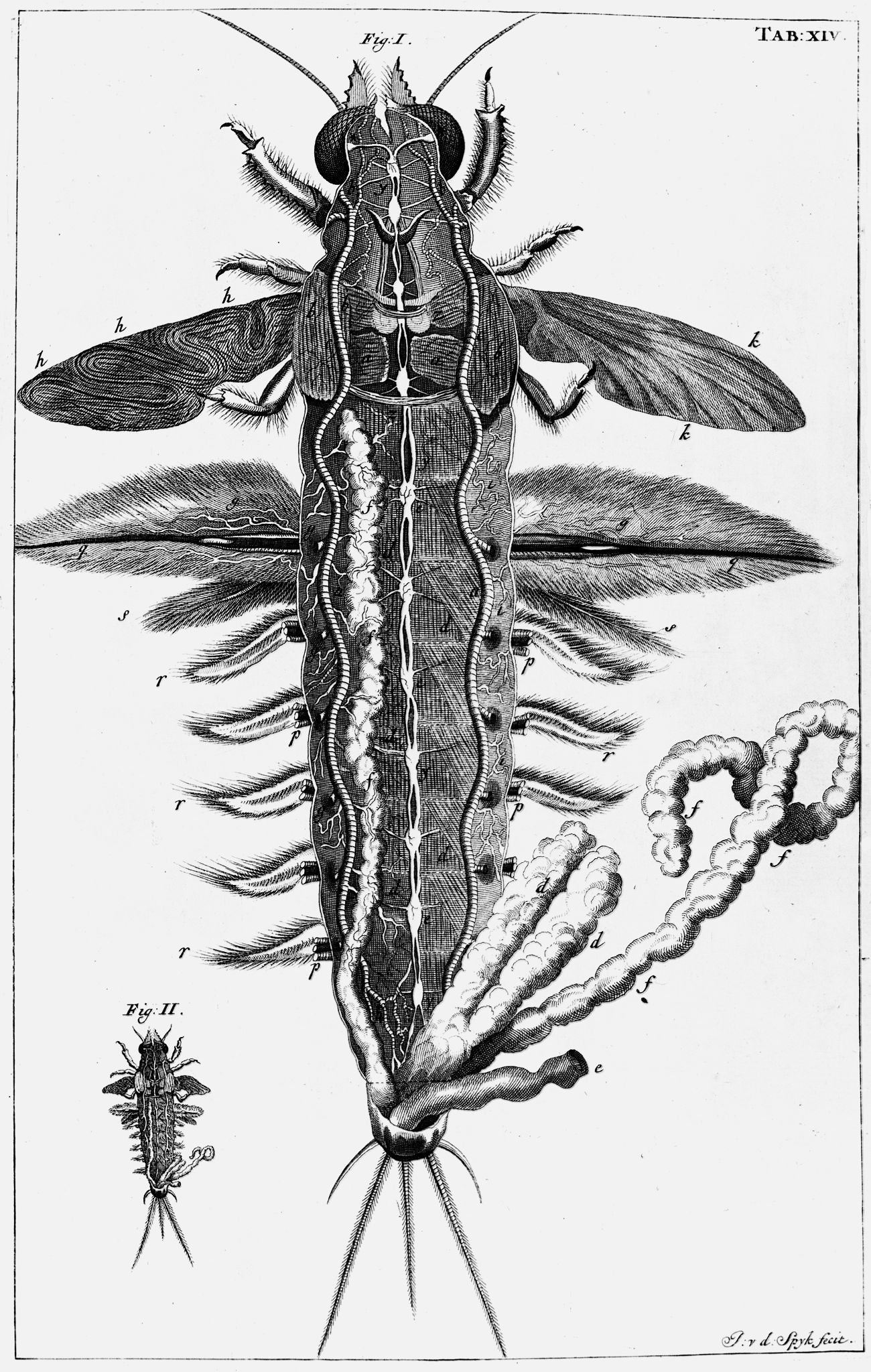
Image by Wellcome Collection
Used under a BY 4.0 license.
This would become a recurring problem in entomology. Insects, especially insects that undergo metamorphosis, did not fit neatly into older ways of describing the natural world. A caterpillar and a can look so different that early naturalists had to work out whether they were seeing one organism at different life stages or entirely different creatures. That made classification much more difficult than it first appeared.
Merian and the move from specimens to life histories
One of the most important figures in this shift toward studying insect life cycles directly was Maria Sibylla Merian. Born in 1647, she published Metamorphosis Insectorum Surinamensium in 1705 after traveling to Suriname and studying insects alongside the plants they used.3
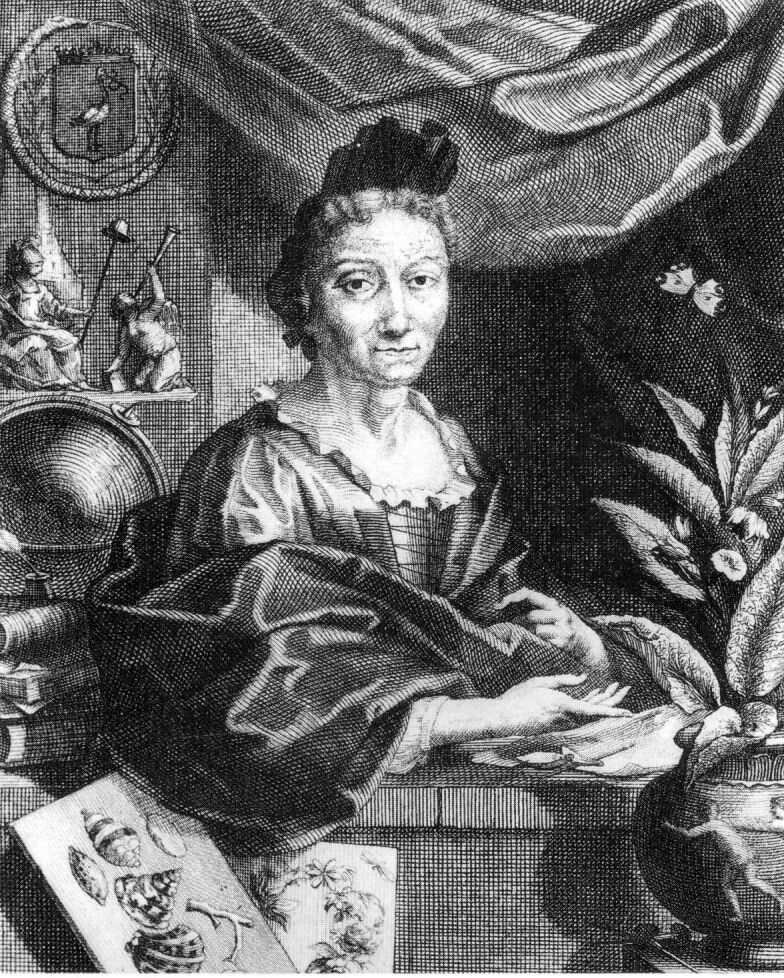
Image by Swallowtail Garden Seeds
Used under a Public Domain license.
Beyond being an extraordinary illustrator, Merian helped push insect study toward direct, sustained observation of life cycles. She did not treat insects as isolated specimens detached from context. She connected larvae, pupae, and plants. That sounds normal to a modern entomologist, and exactly because it sounds normal now, it is easy to miss how important that shift was.
A lot of early natural history was good at naming, collecting, and depicting. Merian helped show how much you miss if you stop there. Insects have histories. They live on and through other organisms. Their story is ecological as well as anatomical.
If you wanted one moment for the moment entomology began to feel more modern, this would be it. You are not just looking at a bug. You are looking at a life cycle.
Réaumur, Linnaeus, Fabricius, and the problem of too many insects
By the 18th century, insect study had enough momentum that it could not remain a cabinet hobby. There were too many species, too many forms, too many life histories, and too many practical reasons to care.
René-Antoine Ferchault de Réaumur began publishing his Mémoires pour servir à l'histoire des insectes in 1734, a landmark in the close observational study of insects.1 Réaumur belongs to the phase where natural history starts to look less like anecdote and more like sustained research.
Then came the naming problem. In the 10th edition of Systema Naturae in 1758, Linnaeus applied binomial to insect classification along with everything else.1 That did not solve every problem, but it created a shared infrastructure. Once the number of known species starts exploding, names stop being cosmetic and start being necessary.
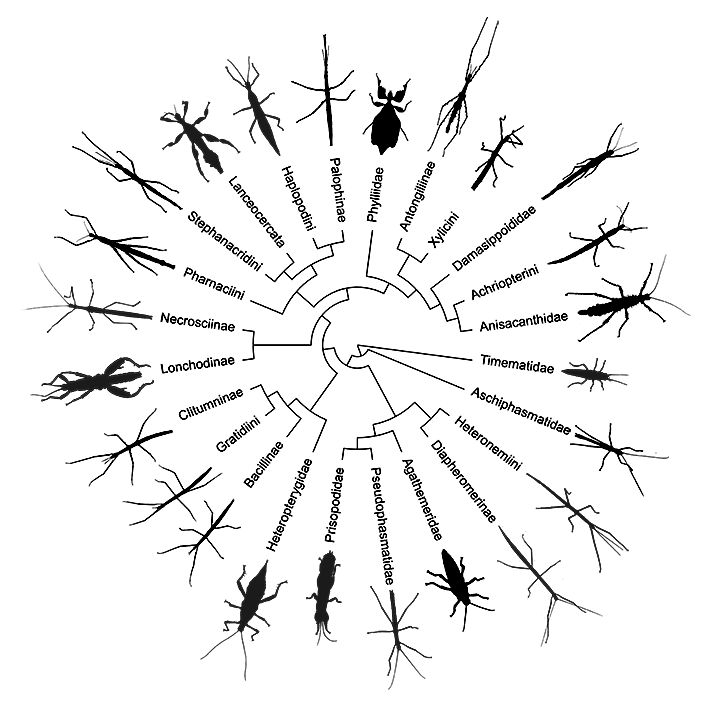
Image by VictorGhirotto
Used under a BY 4.0 license.
Still, Linnaeus was not the last word on insect classification. Johan Christian Fabricius, one of his students, is remembered for pushing insect further by emphasizing mouthparts rather than relying mainly on wings. Entomology did not inherit a finished system from Linnaeus; it kept refining its own criteria because insects demanded it.
Pierre-André Latreille pushed that refinement further. His 1796 Précis des caractères génériques des insectes disposés dans un ordre naturel is often treated as one of the beginnings of modern entomology, and Britannica notes that he is often considered the father of modern entomology.4 Latreille helped move classification toward what naturalists called a more natural order, and he did so as museums, collections, and professional scientific roles were becoming increasingly central.
By the end of the 18th century, entomology had many of the pieces of a real discipline: sustained observation, specialized literature, a more stable taxonomic language, and a growing sense that insects were not just one topic inside zoology but a world large enough to require
The 19th century: entomology gets institutions
The early 19th century is when entomology starts looking recognizably professional. You could mark John Curtis's British Entomology (1824-1839) and the founding of entomological societies in Paris and London as part of that shift.1 That may sound mundane, but this is exactly how fields become fields. Once you have specialist books, societies, meetings, collections, journals, and positions, you have the groundwork and structure that allows a field to grow beyond a few interested amateurs.
This is also where entomology stops being mostly about classification and becomes more openly practical. The growth of agriculture, trade, empire, and long-distance species movement made insect knowledge economically urgent. Insects were not just interesting. They were destroying crops, spreading through trade routes, and forcing governments to pay attention.
That is where Charles Valentine Riley steps in. Riley was born in 1843, became Missouri's first state entomologist in 1868, then served as chief of the U.S. Entomological Commission in 1876 and chief entomologist for the U.S. Department of Agriculture in 1878.5 His career is a good reminder that entomology did not become modern only through museum cabinets and Latin names. It also became modern because farmers, governments, and scientists needed answers.
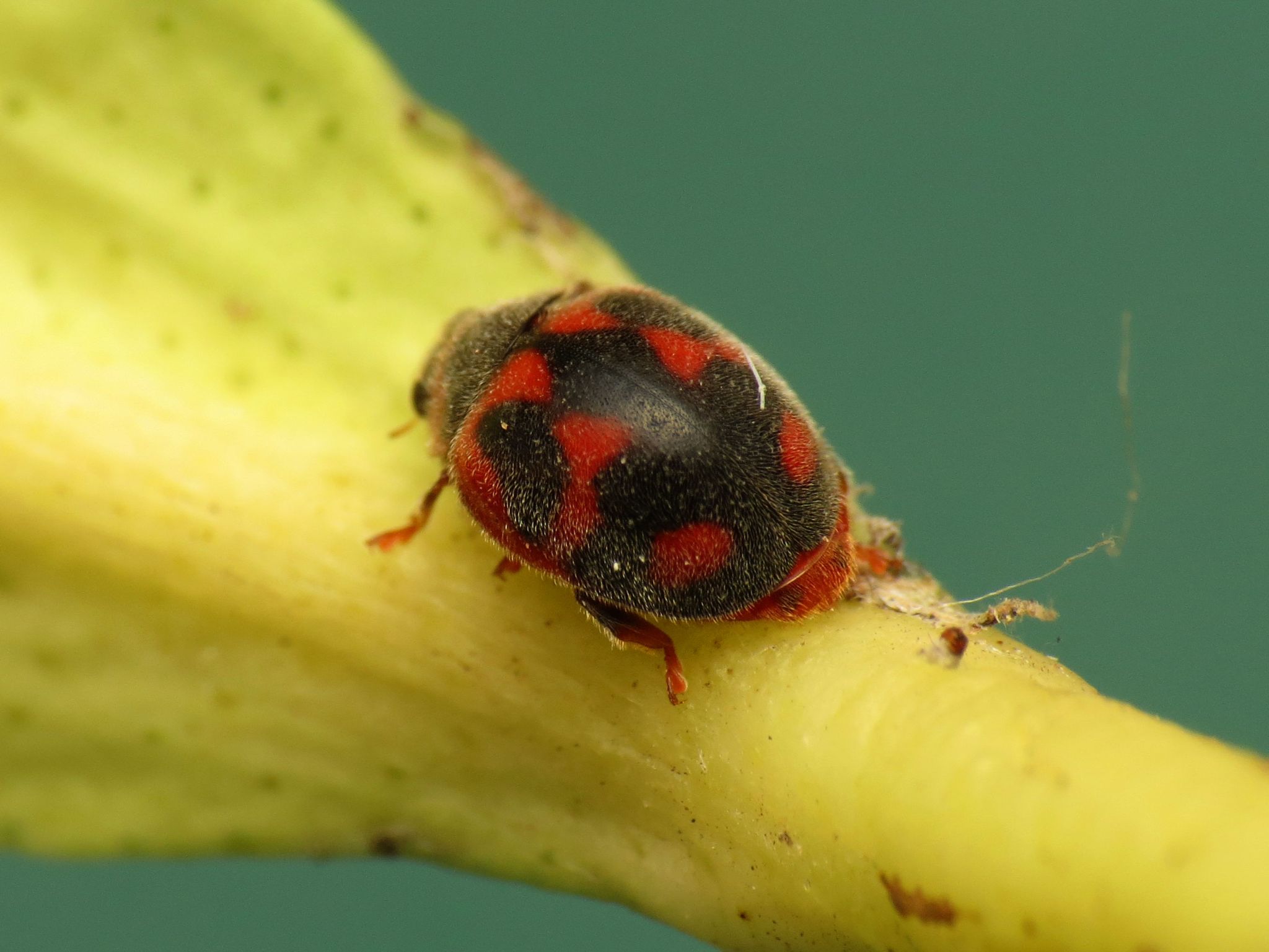
Image by Katja Schulz from Washington, D. C., USA
Used under a BY 2.0 license.
Riley is especially important in the history of economic entomology and biological control. The classic example is 1888, when the vedalia was introduced to help control cottony cushion and save the California citrus industry.5 That episode is still famous because it showed that insect problems did not always have to be met with brute force alone. Insects existed in systems, and sometimes one insect could help control another.
That would matter even more later, when entomology had to reckon with the consequences of chemical overconfidence.
The medical and biological turn
By the late 19th and early 20th centuries, entomology had expanded far beyond taxonomy plus pest control. It increasingly mattered for medicine, public health, physiology, and general 16
This is the part of the story people often underestimate. Insects did not just become an applied agricultural problem. They also became model organisms and disease vectors, which meant they were suddenly central to some of the biggest questions in biology and public health.
In medicine, acceptance that insects could transmit disease changed entire fields. Mosquitoes became inseparable from the history of and yellow fever. became part of the story of mattered for typhus. Once insects were understood as vectors rather than mere nuisances, entomology stopped looking in a hurry.
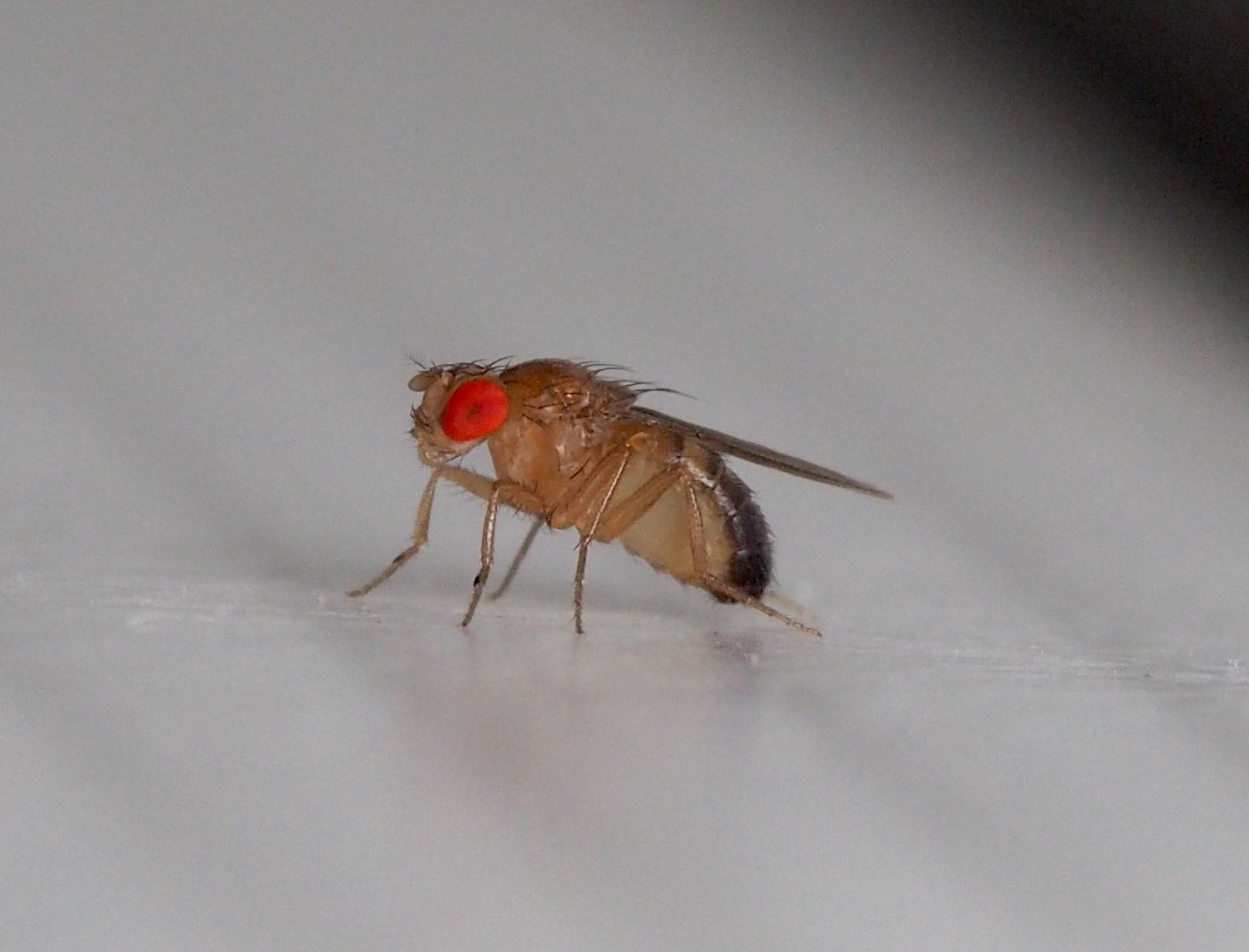
At the same time, insect research fed directly into the rise of genetics. Drosophila melanogaster , the fruit fly, became one of the foundational model organisms of 20th-century biology.1 That is perhaps one of the clearest examples of entomology shaping science beyond its own borders. Plenty of people who would never call themselves entomologists still owe an enormous debt to insect research.
According to R. F. Chapman's review of 20th-century entomology, the field expanded through physiology, behavior, ecology, communication, new journals, new technologies, and an explosion in specialization.6 Modern entomology became less like a single discipline and more like a federation of related sciences held together by a common subject.
You can see that in the subfields themselves: medical entomology, forest entomology, forensic entomology, insect physiology, behavior, pollination biology, vector biology, evolutionary developmental biology, and now and phylogenomics on top of all that. By the 20th century, nobody sensible could reduce entomology to butterfly collecting.
Pesticides, backlash, and the road to IPM
The 20th century also forced entomology into one of its most important arguments: how exactly should humans control insects when those insects threaten crops, health, or both?
For a while the answer looked simple. Synthetic especially after World War II, seemed like an obvious triumph. Kill pests fast. Protect crops. Reduce disease. Problem solved.
Except it was not solved.
As later reviews of history make clear, overreliance on insecticides produced resistance, ecological disruption, resurgence of pests, secondary pest and broader environmental 7 Entomology had spent decades becoming more scientific. This was the point where it also had to become more ecological.
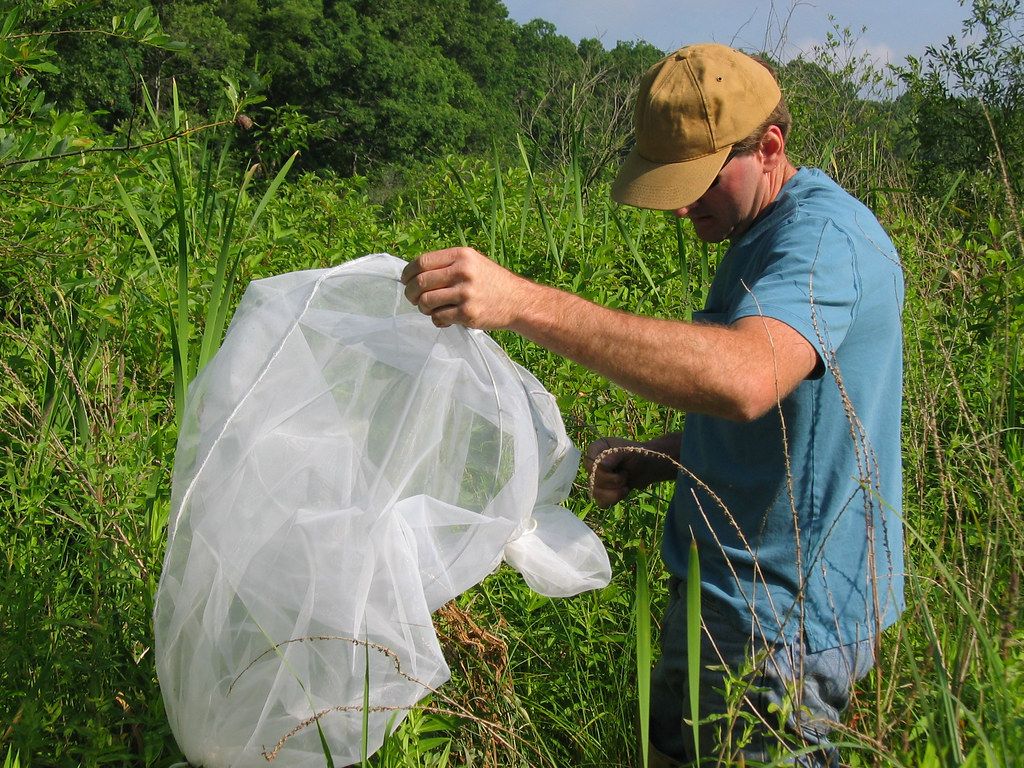
Image by U.S. Army Environmental Command
Used under a BY 2.0 license.
That is why the 1959 paper by Vernon M. Stern, Ray F. Smith, Robert van den Bosch, and Kenneth S. Hagen matters so much. Their Hilgardia paper on the integrated control concept is widely treated as a landmark in the development of what later became integrated pest management.78 The key idea was not that chemicals should never be used. It was that insect control had to be understood within a larger system: pest densities, natural enemies, thresholds, timing, and non-target consequences all mattered.
Rachel Carson's Silent Spring in 1962 did not create entomology's ecological conscience from nothing, but it absolutely pushed those questions into public view.9 It forced a broader reckoning about food chains, wildlife, and the costs of treating insect control as a purely chemical problem. If early entomology had been forced to grow up by metamorphosis and classification, modern entomology was forced to grow up again by ecology.
What entomology is now
Modern entomology is not one thing. It is taxonomy, molecular biology, neurobiology, ecology, behavior, agriculture, conservation, medicine, and environmental monitoring all at once.16
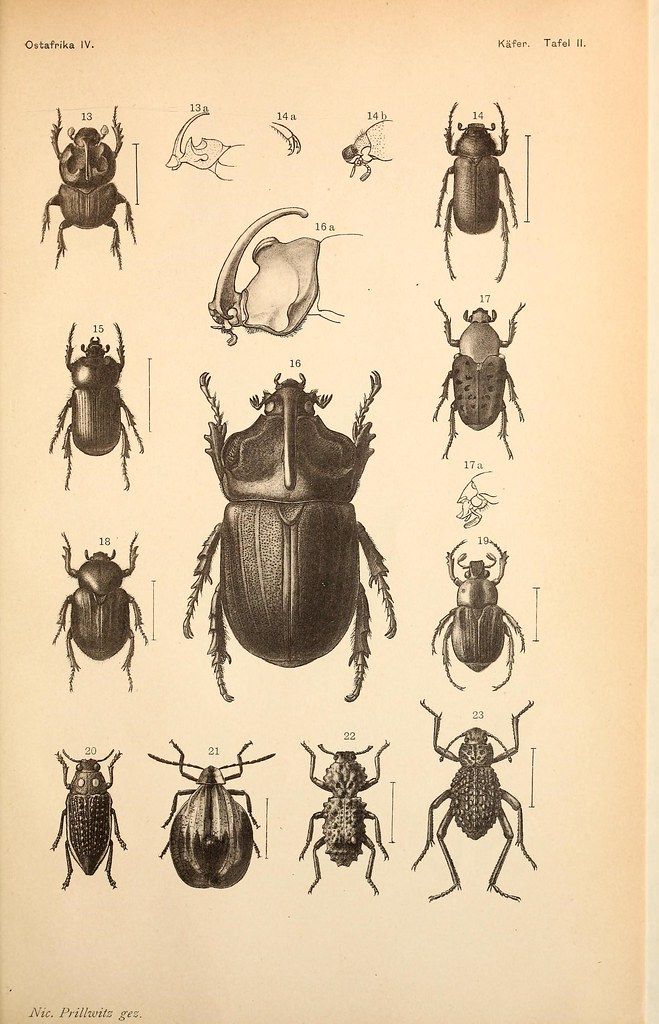
Image by BioDivLibrary
Used under a BY 2.0 license.
That can make the field hard to summarize, but historically it makes perfect sense. Insects are too diverse, too numerous, too economically important, and too biologically strange to fit into a narrow box. They pushed early naturalists to improve observation. They pushed classifiers to build better systems. They pushed agricultural scientists to create institutions. They pushed medical researchers to understand disease transmission. They pushed ecologists to think in systems. They pushed geneticists into some of their most important model organisms.
That is a pretty good legacy for animals many people still summarize as “gross bugs.”
Footnotes
Entomology — Encyclopaedia Britannica ↩ ↩2 ↩3 ↩4 ↩5 ↩6 ↩7 ↩8
De animalibus insectis libri septem — Biodiversity Heritage Library ↩
Maria Sibylla Merian's Metamorphosis Insectorum Surinamensium (1705) — Public Domain Review ↩
Charles Valentine Riley Collection — U.S. National Agricultural Library ↩ ↩2
Chapman, “Entomology in the Twentieth Century” — Annual Review of Entomology ↩ ↩2 ↩3
Kogan, “Integrated Pest Management: Historical Perspectives and Contemporary Developments” ↩ ↩2
“The 50th anniversary of a great idea” — California Agriculture ↩
Legacy of Rachel Carson's Silent Spring — American Chemical Society ↩