
- Published on
What are the most dangerous bugs?
- Authors

- Name
- Mike Porter
- @bugswithmike
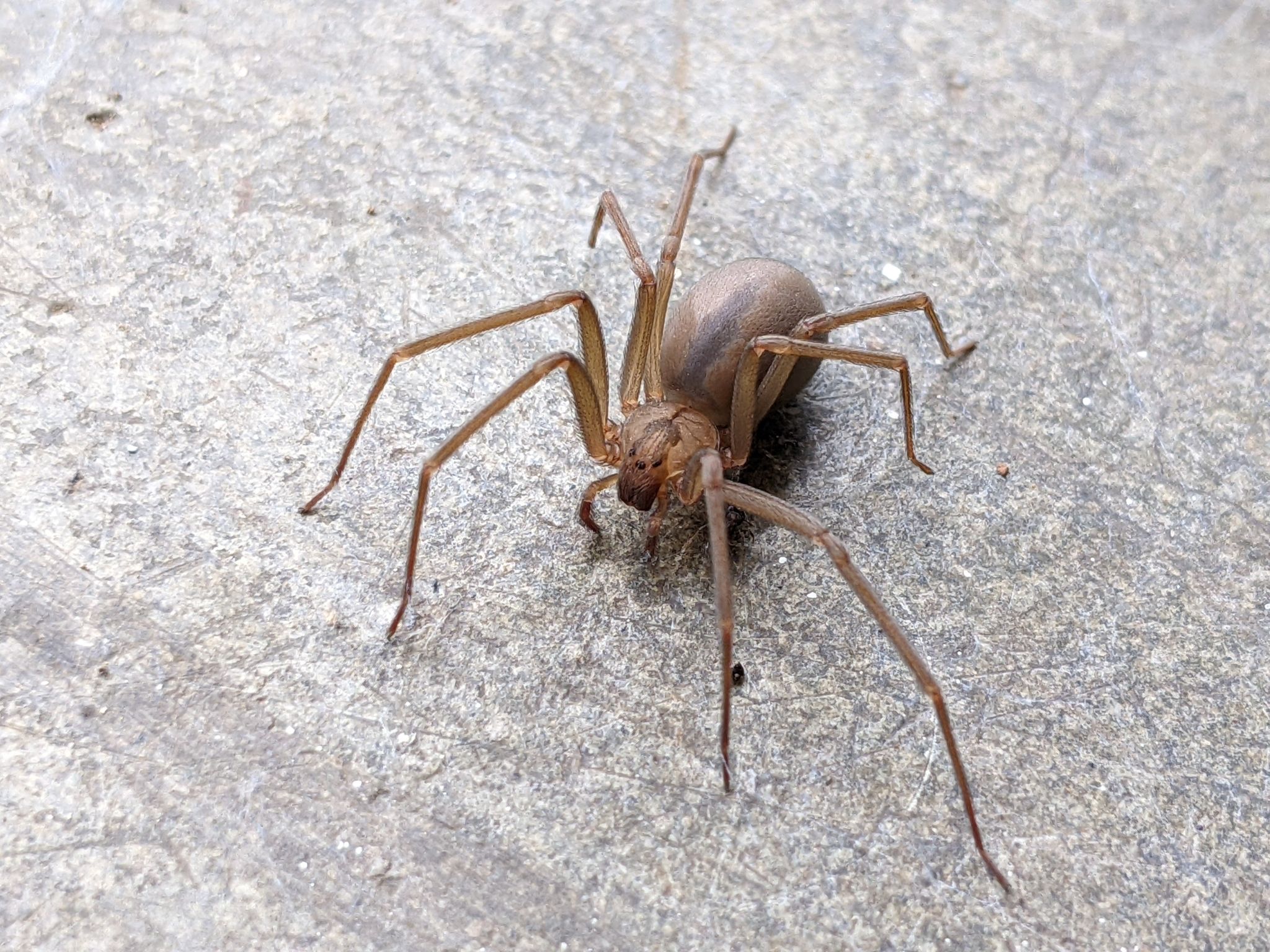
Most people think “dangerous bug” means something dramatic: a big spider, a with its tail up, maybe some animal with a reputation bigger than its actual body count.
But if you define danger the way public health does, the list of dangerous changes pretty drastically.
The most dangerous insects and arachnids are usually not the ones that look the most threatening. They are often the ones that are common, easy to miss, and extremely good at moving from one body to another. That is why mosquitoes and matter so much more at a level, than the animals people usually put in clickbait rankings.12
That does not mean the famous scary ones are harmless. It means they usually matter in narrower, more context-heavy ways than the mythology suggests.
What does "dangerous" mean?
There is more than one kind of danger when it comes to bugs.
One is direct injury : venom, tissue damage, or a severe sting.
Another is burden : how many people get infected, disabled, or killed because an carries a pathogen.
Another is swarm or exposure risk : the fact that even an animal with ordinary venom can become medically serious in large numbers, or in someone with an allergic reaction.
A black widow can make one person very sick. A mosquito can help sustain a disease that kills hundreds of thousands of people a year. A honeybee colony can become life-threatening if enough sting at once. All of those count as "dangerous", but they matter on different and for different reasons.1234
Mosquitoes are the most dangerous bugs
If the question is which insects are most dangerous overall, mosquitoes are the answer.
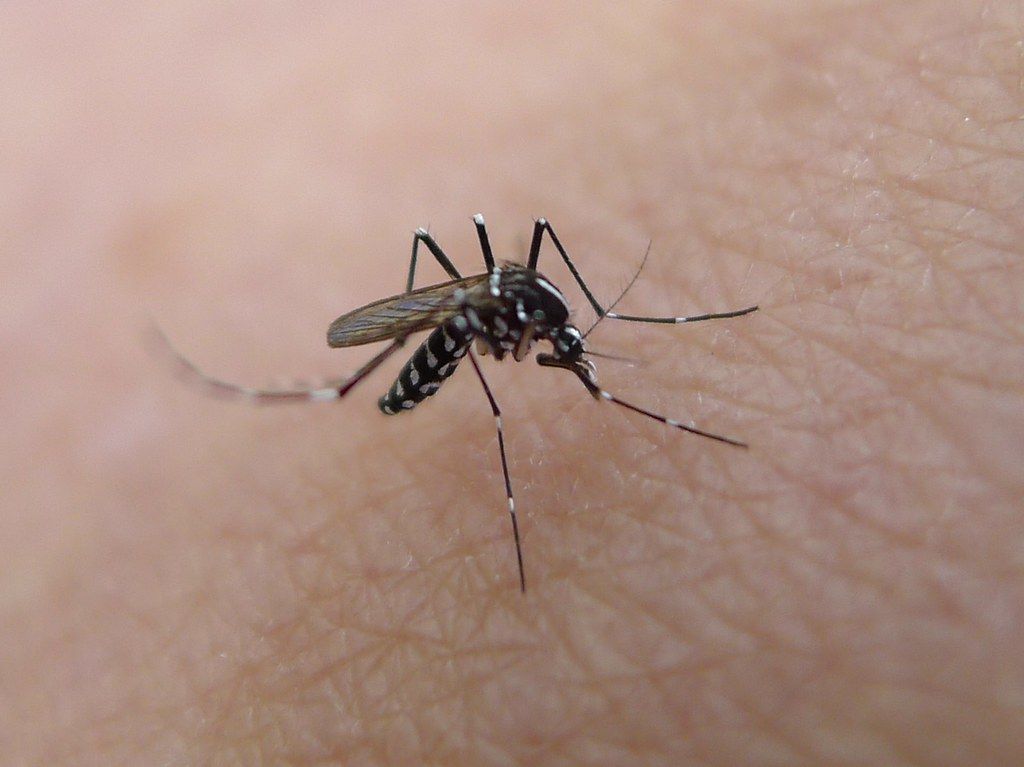
The World Health Organization (WHO) says vector-borne diseases account for more than 700,000 deaths each year, and mosquitoes carry a huge share of that burden.1 alone caused an estimated 263 million cases and 597,000 deaths in 2023, according to WHO's 2024 malaria report.2 adds another enormous burden, with an estimated 96 million symptomatic cases and roughly 40,000 deaths each year.1
The deadliest arthropods are often not dangerous because they are individually impressive. They are dangerous because they are efficient They bite often, reproduce well, and exploit ordinary human conditions: standing water, warm climates, weak housing, strained health systems, and gaps in prevention.
Now mosquitoes are not all equally dangerous everywhere. They are found worldwide except Antarctica, but the biggest malaria burden is concentrated in tropical and subtropical regions, especially sub-Saharan Africa, while dengue is a major problem across parts of Asia, Latin America, and other warm regions where the right mosquitoes and viruses are circulating. Risk depends on which are present, which pathogens are circulating, and what local prevention and treatment look like. But at a global scale, mosquitoes dominate the conversation for a reason.12
And since mosquitoes are responsible for more human deaths than any other animal, it should come as no surprise that many people have considered getting rid of all the mosquitoes. Could we get rid of all the mosquitoes?
Ticks are a more subtle kind of dangerous
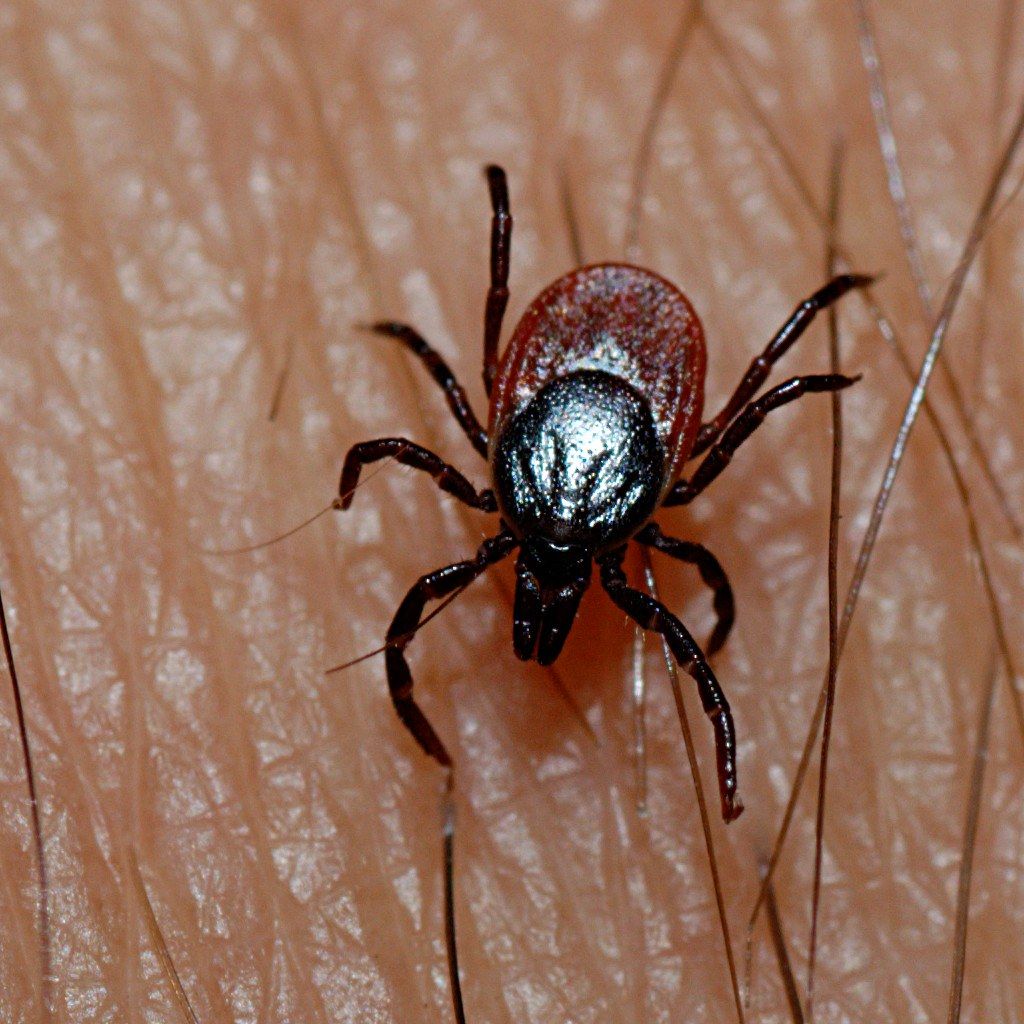
Image by dr_relling
Used under a BY 2.0 license.
Ticks rank lower in popular imagination because they do not have the visual drama of big spiders or scorpions. But they are one of the most consequential arachnid groups for human health, especially in North America and parts of Europe and Asia, where tickborne diseases like Lyme disease and others are major public-health concerns.
Their danger is not typical venom. It is pathogen transmission. The Centers for Disease Control and Prevention (CDC) tracks a long list of tickborne diseases, including Lyme disease, Rocky Mountain spotted fever, anaplasmosis, Powassan virus disease, and others.5
They are dangerous because they combine stealth, persistence, and repeated exposure opportunities. People brush against vegetation, work outdoors, camp, hike, garden, or simply live near tick and the tick can stay attached long enough to go unnoticed.
Kissing bugs are dangerous because the damage can last for decades
Triatomine bugs, often called kissing bugs, are less famous than mosquitoes or ticks, but they deserve more attention than they get.
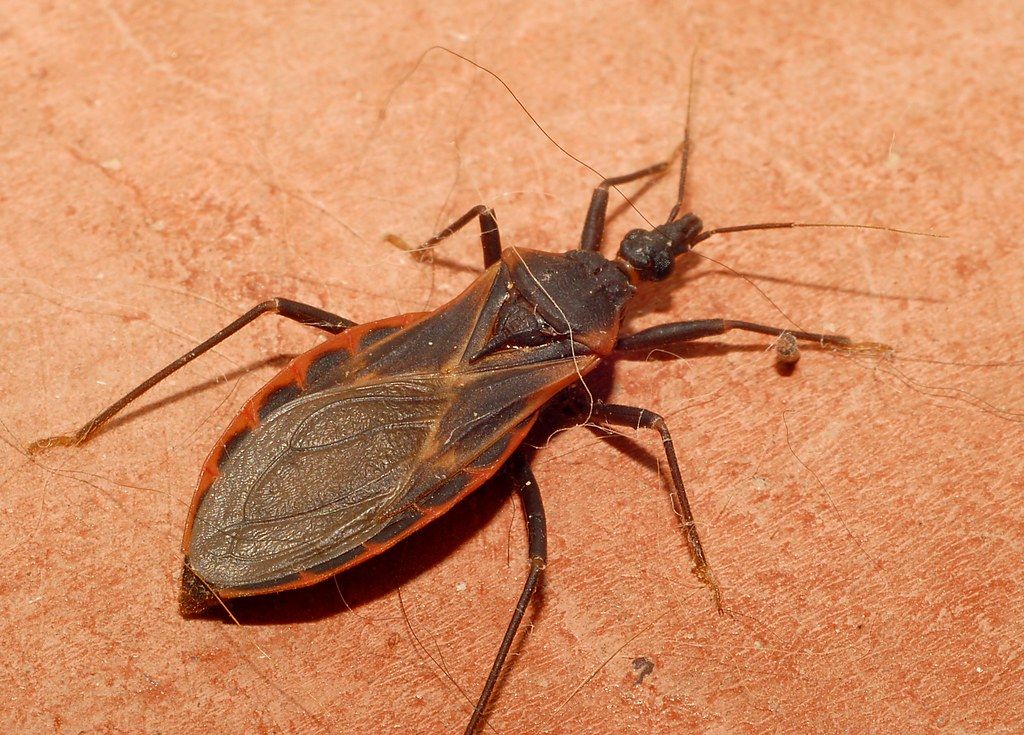
They are dangerous because of Chagas disease. The CDC notes that usually happens not from the bite itself, but when from an infected triatomine bug get rubbed into the bite, a cut, the or the mouth.6 The WHO estimates that more than 7 million people worldwide are infected with Trypanosoma cruzi , and that Chagas disease causes more than 10,000 deaths each year.7 The disease burden is centered in the Americas, especially Latin America, although travel and mean cases can show up far outside the bugs' main range.
The part that makes Chagas especially sobering is the timeline. It can start quietly, then turn into chronic disease years or decades later. The WHO says up to a third of people with chronic infection develop cardiac disease, and about 1 in 10 develop digestive, neurological, or mixed complications.7
It is also worth clarifying that kissing bugs are just one subgroup of assassin bugs. The broader group is not automatically a public-health menace.
Tsetse flies deserve a spot in this conversation too
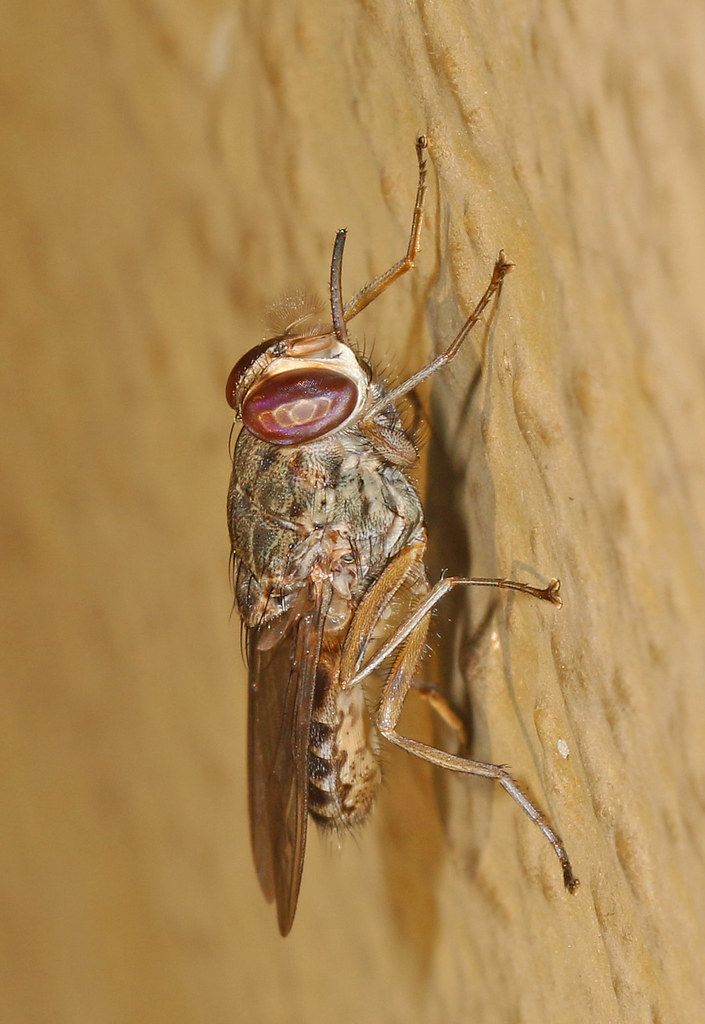
Image by Judy Gallagher
Used under a BY 2.0 license.
If you want another example of why “dangerous” should not just mean venomous-looking, tsetse flies belong on the list.
They matter because they transmit human African also called sleeping sickness.8 The WHO describes it as a vector-borne parasitic disease transmitted by bites of infected tsetse flies in sub-Saharan Africa, and notes that untreated disease is usually fatal.8 The CDC makes the same point more bluntly: it is a serious disease, and and treatment can be lifesaving.9
Tsetse flies are not globally important in the same way mosquitoes are. Their risk is focal, tied to particular regions, ecologies, and patterns of human exposure across sub-Saharan Africa. But in the places where transmission happens, the stakes are obviously high.
Sand flies and black flies deserve more fear than they get
If most people made a list of dangerous bugs from memory, sand flies and black flies probably would not make it. That is exactly why they matter here.
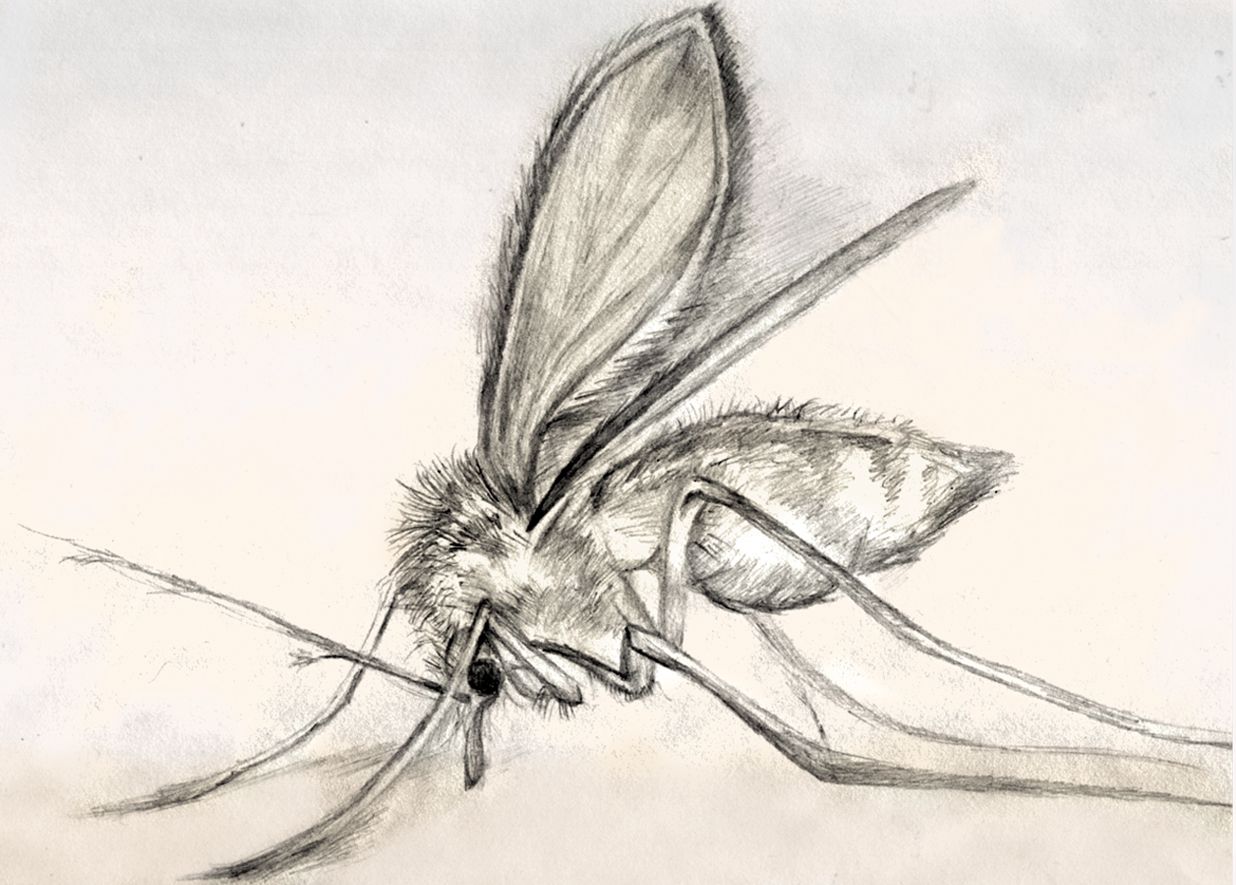
The WHO notes that sand flies transmit and that black flies transmit or river blindness.110 Sand flies are especially good examples of how danger can hide inside something tiny and forgettable. The WHO says over 90 sand fly species are known to transmit Leishmania 10 The CDC also notes that sand flies are small, silent, and easy to overlook, and that their bites can go unnoticed.11 Sand fly risk is concentrated in parts of the tropics, subtropics, and southern Europe, especially where leishmaniasis is
Black flies fit the same theme. They do not have the cinematic brand recognition of giant or widow spiders, but in the right places, especially parts of sub-Saharan Africa and Yemen where onchocerciasis has historically been concentrated, they are important vectors of serious disease.1 A bug does not need a horror-movie body plan to matter enormously.
Venomous arachnids can be dangerous
This is probably where most people expect the list to begin: widow spiders, brown recluse spiders, scorpions, and the infamous highly venomous spiders people bring up in every version of this conversation.
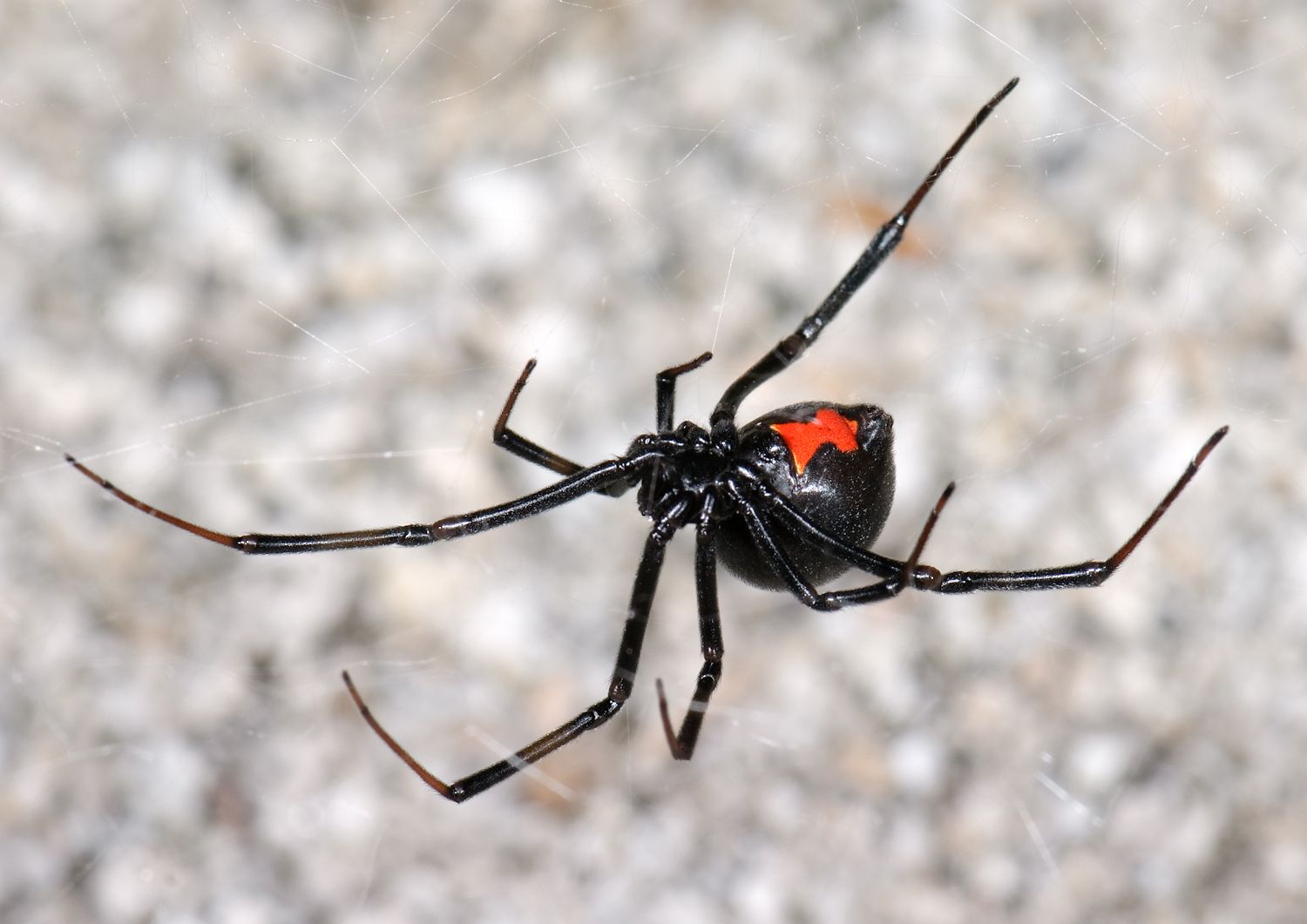
Image by Marshal Hedin
Used under a BY 2.0 license.
The CDC lists black widows and brown recluses among the main venomous spiders of concern in the United States.312 A black widow bite can cause severe pain, muscle cramping, and A brown recluse bite can, in some cases, lead to tissue injury and 31213
Globally, a few other spiders are worth naming carefully. Britannica notes that widow spiders are medically important in many regions, that funnel-web spiders in southeastern Australia are dangerous to people, and that some Loxosceles species in South America can cause more severe than the U.S. brown recluse.14 If you want a named example, the Sydney funnel-web is one of the clearest “yes, this one really is medically serious” spiders. In the United States, the main concern is narrower, with widow spiders found broadly and brown recluse risk centered more in the south-central Midwest and nearby regions rather than the whole country.312
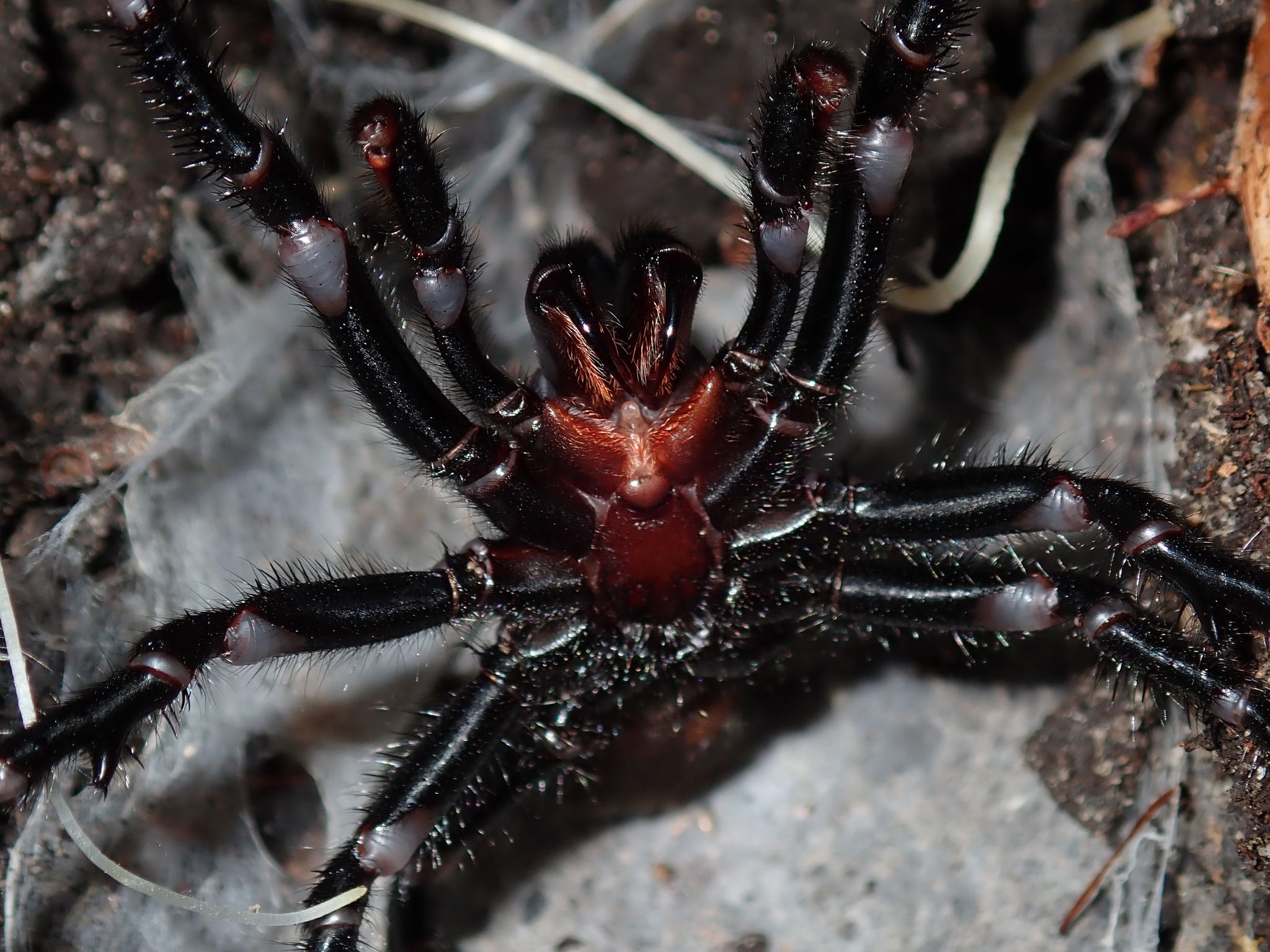
Image by Thomas Mesaglio
Used under a BY 4.0 license.
These animals are usually defensive, not aggressive. The CDC is explicit that spiders are usually not aggressive and that many bites happen because the animal is trapped or pressed against skin.3 The public mythology around spider danger is also sloppier than the actual medicine. Illinois public-health guidance notes that brown recluse bites are uncommon even where the spiders are present, and that supposed brown recluse bites are often misdiagnoses of other conditions.12
So yes, some spiders absolutely matter medically. But rather than “spiders are the deadliest things in your house,” the truth is “a small number of spider species can cause significant problems in certain circumstances, and they are routinely exaggerated outside those circumstances.”
Scorpions fit a similar pattern on a broader global map. In some tropical and subtropical regions, especially parts of North Africa, the Middle East, Latin America, India, and Mexico, scorpion stings are a major medical issue, especially for children and for people far from prompt care. Reviews of global scorpionism estimate well over 1.2 million envenomations per year, with thousands of deaths worldwide.1516 That is serious. But it is also geographically concentrated, which means the risk is intense in some places rather than universal everywhere.
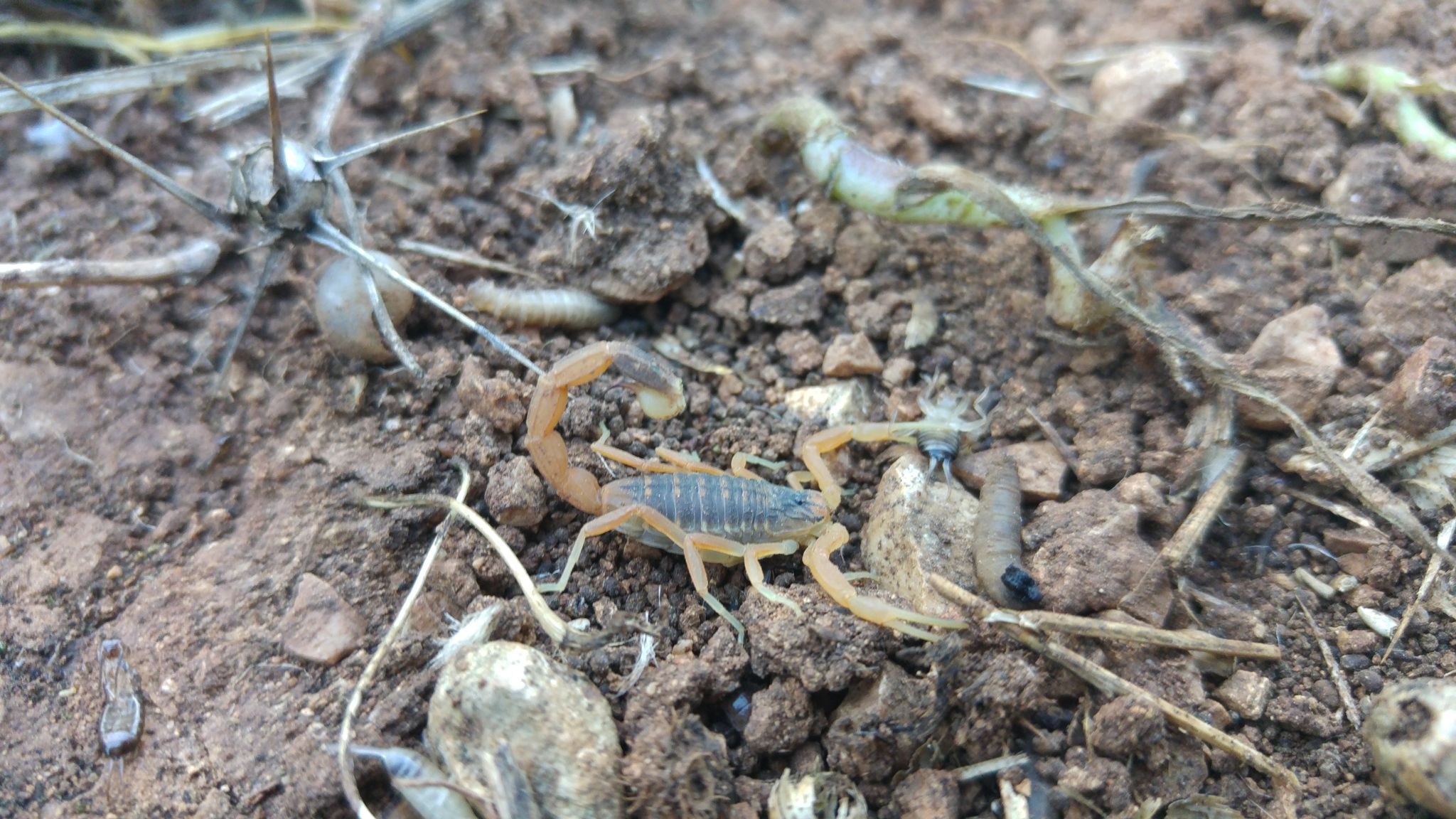
Image by Mattia Menchetti
Used under a BY 4.0 license.
Other bugs being hyped up as dangerous
Some famous “deadly bugs” are real hazards. Some are mostly reputation machines. Most are somewhere in between.
Killer bees: real danger, wrong explanation
Africanized honey bees, aka killer bees, are not magical super-bees with uniquely lethal venom. California public-health guidance says their sting is no more toxic than that of European honey bees.4 The reason they got the “killer bee” label is that they are more defensive, more easily provoked, and more likely to attack in large numbers and pursue longer distances.4
Giant hornets: bad for bees, overhyped for people
Asian giant hornets are big, impressive, and capable of a brutal sting. They are also legitimate threats to honeybee colonies, which is why entomologists and agriculture agencies took them seriously.17 But the human-health panic around “murder hornets” was wildly out of proportion to ordinary risk, especially outside the narrow places where the hornets were actually being detected, mainly in East Asia and in the brief Pacific Northwest detection story that drove the headlines.
That is a pattern worth remembering. A bug can be a serious agricultural or ecological concern without being a top-tier threat to the average person. “Bad for bees” and “coming to kill you” are not the same sentence.
Deathstalker scorpions: real scorpion, internet theater
The deathstalker scorpion has the kind of name that almost does not need marketing help. And yes, it is a medically important scorpion with potent venom. But this is another place where scale and context matter.
Most people reading about deathstalkers online are treating the animal as a horror prop, not as a real regional risk. The actual danger is concentrated in the places where dangerous scorpions live, especially arid parts of North Africa, the Middle East, and nearby regions, and it falls hardest on children, rural residents, and people who do not get prompt care.1516 The scorpion is real, but the idea that it is some universally relevant apex bug terror is mostly internet theater.
Camel spiders: almost pure myth energy
Camel spiders might be the kings of arthropod misinformation.
They get passed around online as giant desert monsters that chase people, scream, or eat camels. In reality, they are solifuges, not true spiders, and while they can bite and look intimidating, they are not venomous in the way people usually mean when they tell those stories.14 They are mostly associated with arid regions in the Middle East, Africa, and the Americas, which is a lot narrower than the internet mythology makes them sound. A lot of the reputation comes from old viral photos, forced perspective, and soldiers swapping nightmare fuel.
Bed bugs: awful, but not in the way people mean
Bed bugs deserve a place in this article for almost the opposite reason as mosquitoes.
They are miserable. They are stressful. They can cause allergic reactions, sleep disruption, and real psychological distress. But the CDC's travel guidance notes that bed bugs have not been shown to transmit disease to humans .18 That makes them a perfect example of an arthropod that can be a genuine problem without being a major disease-vector threat in the way people often assume.
Fleas: historically huge, situational now
are interesting because they sit between history lesson and modern reality.
The WHO’s vector-borne disease overview still lists fleas as vectors of .1 That alone earns them a place in the conversation. But in a modern ranking of the bugs most likely to shape global health right now, fleas are not doing what mosquitoes are doing. Modern plague risk is geographically limited rather than worldwide, so fleas matter more as a reminder that disease danger can shift over time and context than as the current number-one answer.
Bot flies and tumbu flies: horrifying is not the same as deadliest
These are a great example of a bug that feels worse than it ranks.
People find myiasis-causing flies viscerally horrifying, and fair enough. The idea of a larva developing in skin is nightmare fuel. But that is different from saying they belong on the top tier of arthropods by global mortality or disease burden. They are excellent examples of disturbing bugs, not necessarily the most dangerous bugs.
Horse flies and deer flies: pain is not the same as danger
These are awful in a very straightforward way: big, painful bites, lots of swearing, immediate resentment. But again, “painful” and “most dangerous” are not synonyms. They make sense here mostly as another reminder that pain, size, and aggression are not enough by themselves to put something at the top of the list.
Tarantulas, cicada killers, giant water bugs, and other “absolutely not” animals
A lot of large arthropods land in the same category: they can bite, sting, or generally ruin your afternoon, but they are not major drivers of human death or disability.
Tarantulas are a good example. They are venomous, but their venom is usually mild in humans, with pain often compared to a bee sting.14 killers (a type of look like they were designed by a committee trying to frighten children, but they are not an important public-health threat. Giant water bugs can deliver a famously nasty bite, but again, they are in the “painful and memorable” category much more than the “globally dangerous” one.
Those animals still deserve respect. They just do not deserve the same ranking logic as vectors of malaria, Chagas disease, sleeping sickness, leishmaniasis, or river blindness.
Why fear and danger keep getting mismatched
Humans are bad at weighting chronic, statistical danger against vivid, memorable danger. A widow spider is vivid. A mosquito is ordinary. A scorpion looks armed. A tick looks almost trivial. A dramatic bite story spreads faster than a slow accounting of disease burden.
That mismatch is one reason these conversations get distorted so easily. The animals people most want to rank are usually the ones with the strongest imagery, not the strongest impact.
If you zoom out, the most dangerous arthropods are usually the ones that meet three conditions at once:
- they encounter people often
- they move medically important pathogens efficiently, or cause severe envenomation in exposed populations
- they operate in systems where prevention, housing, and access to care are uneven
Bottom line
The most dangerous insects and arachnids are not necessarily the ones that look the most threatening. They are the species that bite often, go unnoticed, carry pathogens efficiently, and exploit the messy overlap between and human infrastructure. That is why mosquitoes sit at the top. That is why ticks deserve more respect than panic. That is why kissing bugs matter more than their fame suggests. That is why tsetse flies, sand flies, and black flies belong in the conversation. And that is why widow spiders, brown recluses, funnel-webs, scorpions, killer bees, giant hornets, bed bugs, fleas, and camel spiders all need to be talked about with more than internet folklore usually allows.
Footnotes
California Department of Public Health, Africanized Honey Bees ↩ ↩2 ↩3
WHO, Trypanosomiasis, human African (sleeping sickness) ↩ ↩2
Illinois Department of Public Health, Brown Recluse and Black Widow Spiders ↩ ↩2 ↩3 ↩4
Neglected Tropical Diseases on the Rise: The Case of Scorpionism ↩ ↩2
Scorpionism in the Tropics: Current Status of a Neglected Tropical Disease ↩ ↩2