
- Published on
Which Bugs Have Been to Space?
- Authors

- Name
- Mike Porter
- @bugswithmike
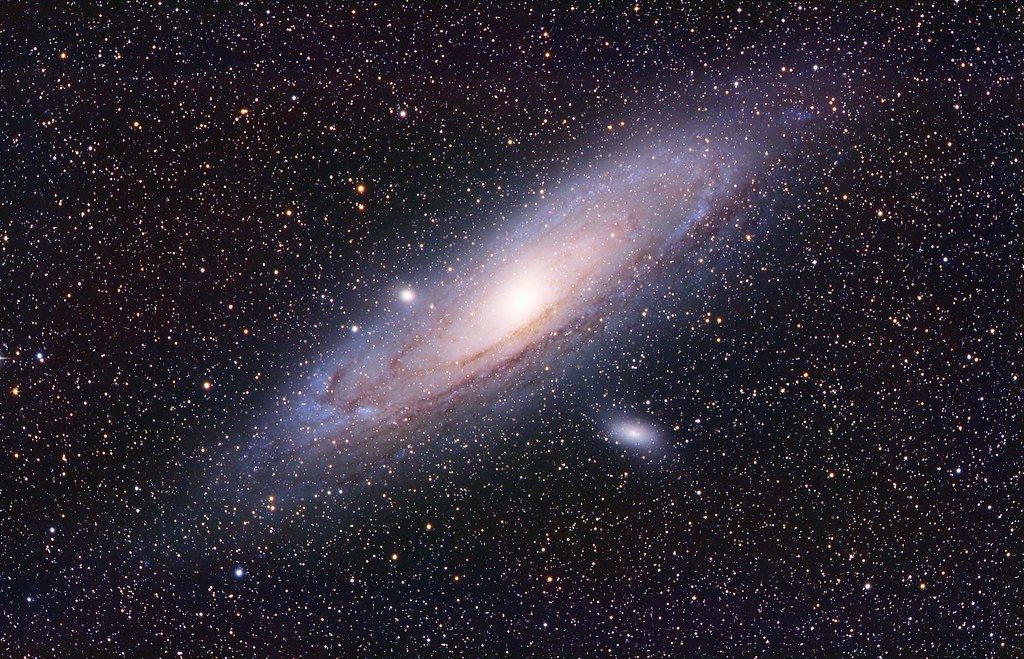
have been to space. On purpose.
Fruit flies went to space. went to space. went to space. And two of the most famous space bugs were two spiders named Arabella and Anita.1234
Scientists did not keep sending bugs into space because bugs make fun headlines. They sent them because they were useful. Fruit flies were early test subjects for radiation and spaceflight risk. Spiders let researchers watch web-building in weightlessness. Ants gave scientists a way to study collective in microgravity. Silkworm eggs helped researchers ask what space radiation does to development.15634 Bugs turned out to be very practical tools for asking very big questions.
First bugs in space? Fruit flies
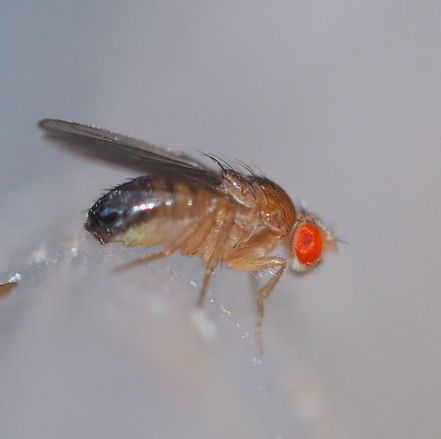
Besides being the first bugs in space, fruit flies were also the first animals ever launched into space and recovered alive, launched on a U.S. V-2 rocket from White Sands on February 20, 1947.1
That happened well before human spaceflight, and for good reason. Researchers wanted to learn more about radiation exposure and the broader effects of space travel on living things before people started climbing aboard rockets themselves.1
Fruit flies made sense for that kind of work. They are small, easy to keep, quick to reproduce, and already deeply studied in NASA still uses Drosophila melanogaster (a of fruit fly) as a model organism for space biology. Roughly 77 percent of known human genes have recognizable counterparts in the fruit fly which is one reason the flies remain useful for studying how spaceflight affects living systems.57
NASA's Fruit Fly Lab-01 was designed for longer-duration ISS experiments, including work on how spaceflight affects response.5 Fruit flies aboard the station can help researchers study aging, cardiovascular sleep, stress, and immune changes under space conditions.7
Spiders spinning webs in space
Perhaps the best known bugs-in-space story is the spiders.
Arabella and Anita flew on Skylab 3 in 1973 for a web-formation experiment in weightlessness.26 That story still gets remembered because it is instantly visual. You can picture a spider in orbit trying to do a very spider thing in a very un-spider environment. And that is exactly why the experiment worked so well.
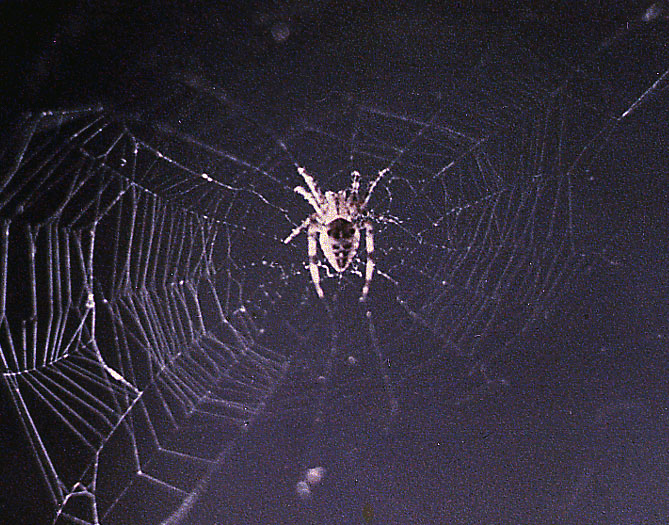
Image by NASA
Used under a Public domain license.
Web-building is a patterned behavior. It gives researchers something visible to watch. If gravity matters to how spiders orient themselves or construct webs, weightlessness should tell you something. The later analysis in The Journal of Arachnology found that the spiders were able to build orb webs in weightlessness, though some web features differed from Earth webs. The authors also noted that later irregularities were likely influenced by stress, starvation, and other mission conditions, not just the absence of gravity.6
Ant behavior
Ants were sent into space to see how their collective search behavior changed in microgravity.3 The question was how ants would explore a space together when gravity is no longer helping them stay oriented in the usual way.3 That matters because ant behavior is not just about one insect wandering around. It is about how groups solve problems, spread out, recover, and keep functioning when the environment changes.
In microgravity, the ants searched less thoroughly, took more convoluted paths, and often lost contact with the surface, though they were also notably good at regaining contact.3
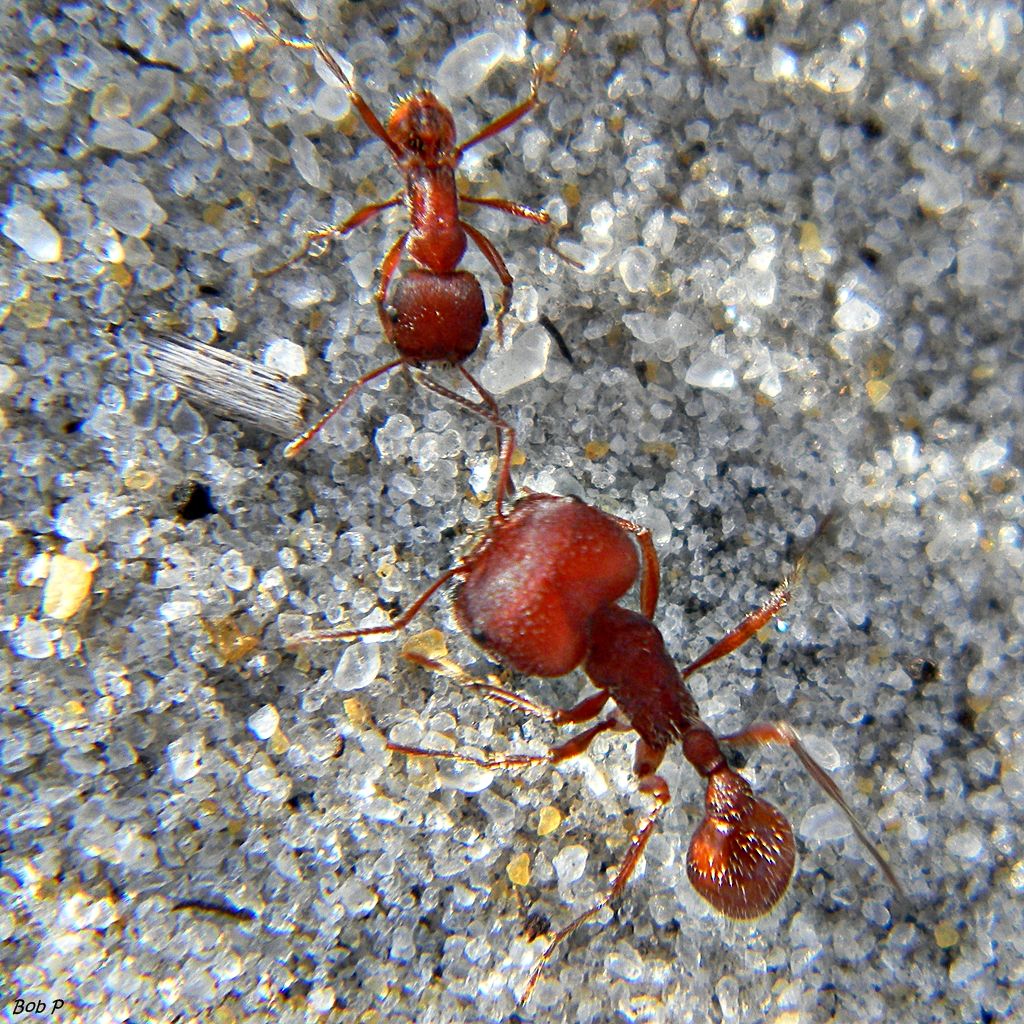
Image by bob in swamp
Used under a BY 2.0 license.
Silkworm eggs and radiation biology
The JAXA Rad Silk experiment used silkworm eggs on the ISS to study how space radiation affects early development and mutation.4 The idea was to expose developing eggs to the space environment and then examine the biological effects after return.4
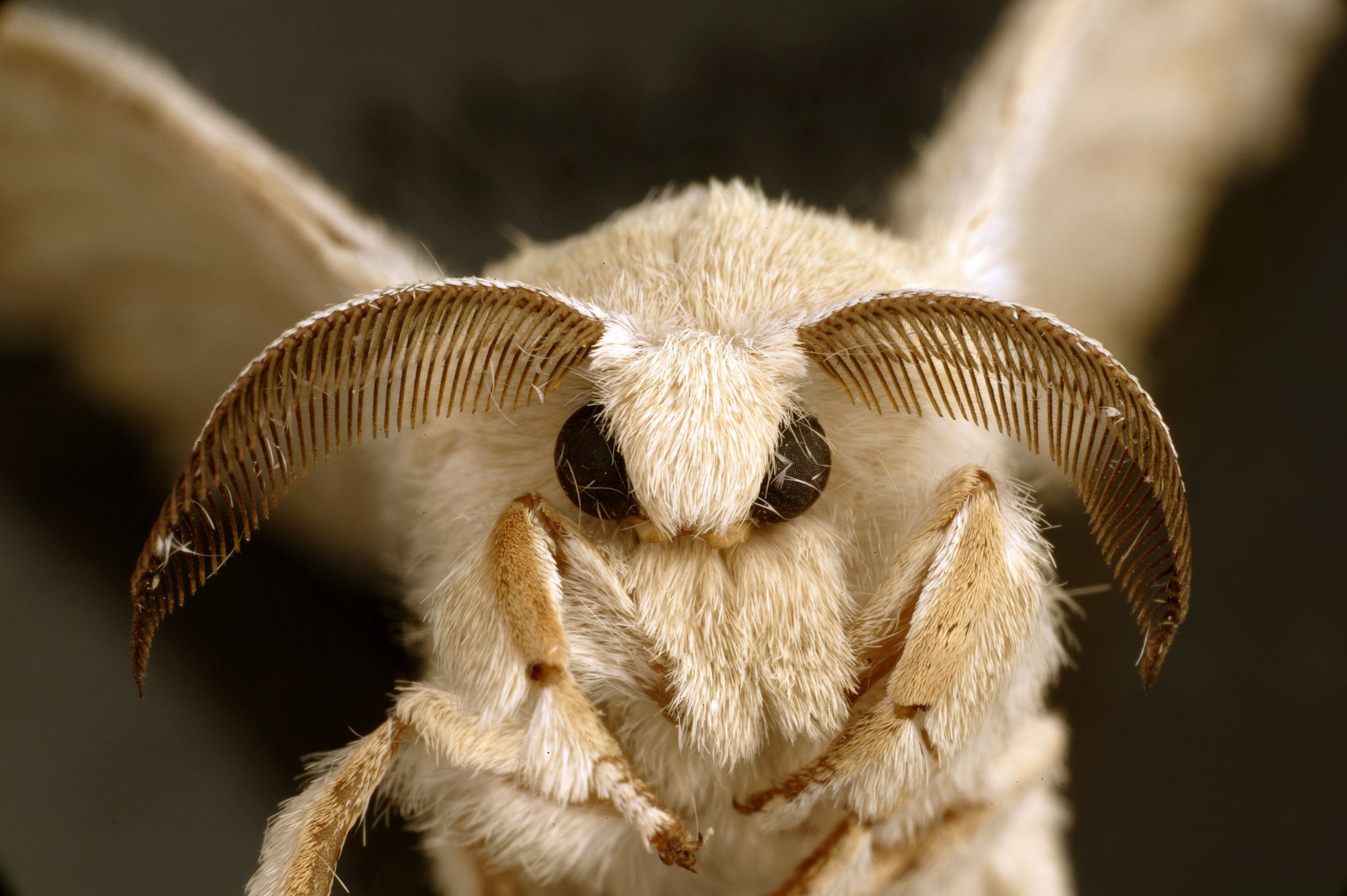
Image by division, CSIRO
Used under a BY 3.0 license.
This is also a good reminder that bug experiments in space were usually less whimsical than they sound. JAXA is careful not to overstate what silkworm results mean. The agency explicitly says those findings cannot be directly applied to humans because humans do not hatch from eggs. But it also notes that silkworms share the basic mechanism by which genes produce proteins, which is why they can still be useful for studying radiation effects on genes active during development.4
Why bugs kept getting chosen
Part of the answer is practical. Small animals are easier to house, transport, and study in a spacecraft than larger ones. But that is only part of it.
The bigger reason is that these animals gave scientists good experimental systems. Fruit flies were useful for genetics and radiation work. Spiders were useful for observing patterned behavior. Ants were useful for collective search and movement. Silkworm eggs were useful for development and mutation questions.1634 These were not random creatures riding along for fun. They were compact ways to study life under unusual conditions.
Bugs were not just weird passengers in space history. They were some of the smallest and most useful research animals we ever sent there.
Footnotes
NASA History — A Brief History of Animals in Space ↩ ↩2 ↩3 ↩4 ↩5
Smithsonian National Air and Space Museum — Spider, "Arabella," Skylab 3 ↩ ↩2
Countryman et al., Frontiers in Ecology and Evolution — Collective search by ants in microgravity ↩ ↩2 ↩3 ↩4 ↩5 ↩6
Witt et al., The Journal of Arachnology — Spider Web-Building in Outer Space: Evaluation of Records from the Skylab Spider Experiment ↩ ↩2 ↩3 ↩4
NASA Science — Fruit Flies on the International Space Station ↩ ↩2