
Melanthripidae
Bagnall, 1913
Genus Guides
1Melanthripidae is a of thrips representing an early-diverging lineage within Thysanoptera. The family contains the Ankothrips, which has been identified as the most ancient extant thrips genus with remarkable morphological stability spanning approximately 94 million years. Fossil evidence from Cretaceous Spanish amber indicates members of this family were associated with gymnosperm pollen and likely served as of Ginkgoales during the Mesozoic era.
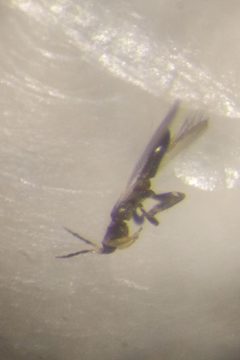
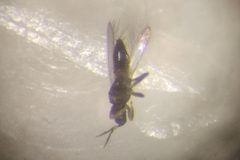
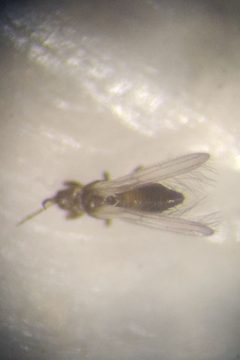
Pronunciation
How to pronounce Melanthripidae: //mɛlənˈθrɪpɪˌdeɪ//
These audio files are automatically generated. While they are not always 100% accurate, they are a good starting point.
Images
Distribution
Disjunct distributions have been documented within the . Extant of Ankothrips show a disjunct distribution pattern. Fossil records include Cretaceous Spanish amber (110-105 million years old), French amber (Late Cretaceous and earliest Eocene), and Baltic amber (middle Eocene). Distribution records from GBIF indicate presence in Norway and Sweden.
Ecological Role
Fossil evidence indicates members of this were associated with gymnosperm pollen and believed to have been of Ginkgoales during the Cretaceous period.
More Details
Evolutionary significance
The Ankothrips exhibits exceptional morphological stability, with fossil representatives dating back to the Late Cretaceous. This situation is unique among Cretaceous thrips and rare among insects generally, with only approximately 3% of genera in well-documented mid-Cretaceous Burmese amber still extant.
Fossil genera
The includes several extinct documented from amber deposits: †Archankothrips (middle Eocene Baltic amber), †Eocranothrips, †Gymnopollisthrips, and †Proboscisthrips.
Sources and further reading
- BugGuide
- Wikipedia
- GBIF taxonomy match
- iNaturalist taxon
- NCBI Taxonomy
- Catalogue of Life
- Ankothrips, the most ancient extant thrips genus (Thysanoptera, Melanthripidae)
- Phylogenetic relationships within the genus Cranothrips (Thysanoptera, Melanthripidae) with consideration of host associations and disjunct distributions within the family