Oropsylla
Wagner & Ioff, 1926
Species Guides
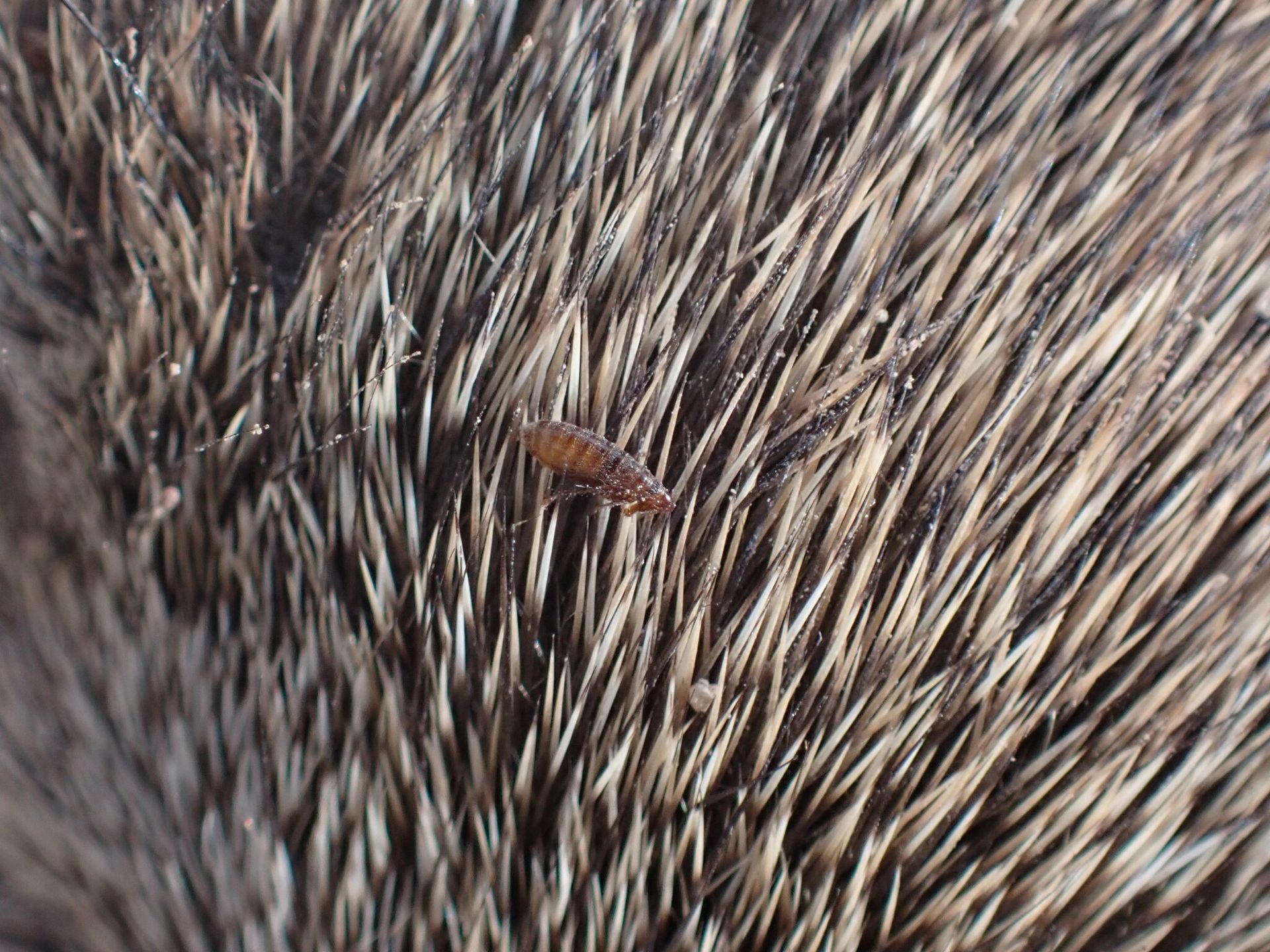
1- Oropsylla hirsuta(prairie dog flea)
Oropsylla is a of fleas in the Ceratophyllidae, primarily associated with rodents and other mammals. Several are significant of Yersinia pestis, the bacterium causing . Oropsylla montana (rock squirrel flea) is the primary plague vector to humans in New Mexico, while O. hirsuta is the main of black-tailed prairie dogs and a plague vector in prairie dog colonies. The genus exhibits varying temperature-dependent transmission dynamics and -specific associations across temperate and tropical regions.
Pronunciation
How to pronounce Oropsylla: //ˌɔːrəˈsɪlə//
These audio files are automatically generated. While they are not always 100% accurate, they are a good starting point.
Identification
Identification to level requires microscopic examination of genitalia and chaetotaxy (bristle arrangement). Oropsylla species are distinguished from other Ceratophyllidae by combinations of pronotal and genal comb characteristics, as well as features of the male clasping apparatus and female spermatheca. O. montana and O. hirsuta are distinguished by association and geographic distribution, with definitive identification requiring taxonomic expertise.
Images
Habitat
Associated with burrow systems and nesting materials of mammalian , particularly rodents. include prairie dog colonies, ground squirrel burrows, marmot burrows in mountain steppe landscapes, and rock squirrel habitats. Specific microhabitats include host nests, bedding material, and the immediate vicinity of host burrow entrances.
Distribution
North America (western United States including New Mexico, Idaho, Washington, Oregon, Alaska, and prairie dog range); Central Asia (mountain steppe landscapes associated with Mongolian marmot). Distribution is closely tied to rodent ranges.
Diet
; feeds on blood of mammalian . Specific feeding patterns vary by host association.
Host Associations
- Cynomys ludovicianus - primary black-tailed prairie dog; for O. hirsuta
- Marmota sibirica - primary Mongolian marmot; monohostal association with O. silantiewi
- Spermophilus variegatus - rock squirrel; primary for O. montana in New Mexico
- Yersinia pestis - vectored bacterium transmitted by multiple Oropsylla
Life Cycle
Complete with , larva, pupa, and stages. Larvae are not parasitic and feed on organic debris in nests. Adults are obligate . Specific developmental parameters and duration vary by and environmental conditions including temperature.
Behavior
remain in close association with burrows and nests. O. hirsuta disperses among prairie dog colonies independently of prairie dog movement, enabling rapid re- following . Temperature influences Y. pestis blockage development; O. montana shows greater blocking rates at cooler temperatures (10°C) compared to warmer temperatures (21°C), facilitating plague transmission in temperate climates. O. silantiewi hibernates alongside its marmot host.
Ecological Role
of rodents; significant of Yersinia pestis in enzootic and systems. are linked to die-offs and plague epizootics. Plays a role in plague maintenance in rodent and transmission to incidental hosts including humans.
Human Relevance
Multiple are of human . O. montana is the most important plague vector for humans in New Mexico, responsible for human cases including septicemic plague. Transmission occurs through infected bites. Pets, particularly cats and dogs, can transport infected fleas into homes. Control measures include pet flea management, rodent-proofing structures, and insect repellent use in areas.
Similar Taxa
- Xenopsylla cheopisBoth are , but X. cheopis (oriental rat ) is and tropical, associated with Rattus , while Oropsylla species are primarily temperate and associated with ground squirrels, prairie dogs, and marmots. X. cheopis shows reduced survival and transmission at cooler temperatures compared to O. montana.
- CeratophyllusBoth are in Ceratophyllidae and share morphological features including combs. Ceratophyllus are primarily associated with birds and nest-dwelling mammals, while Oropsylla is predominantly associated with burrowing rodents.
More Details
Plague Vector Dynamics
O. montana exhibits temperature-dependent transmission opposite to X. cheopis: cooler temperatures (10°C) favor Y. pestis blockage in O. montana, while warmer temperatures are more favorable for X. cheopis. This has significant implications for patterns in temperate versus tropical regions.
Population Genetics
Study of O. hirsuta found significant structure across prairie dog colonies but no isolation by distance, suggesting active mechanisms independent of movement. -induced die-offs trigger population expansion from plague-free refugia.
Sources and further reading
- BugGuide
- Wikipedia
- GBIF taxonomy match
- iNaturalist taxon
- NCBI Taxonomy
- Catalogue of Life
- Oropsylla montana Archives - Entomology Today
- Four Cases of Human Plague Confirmed in New Mexico
- Abundance patterns of two Oropsylla (Ceratophyllidae: Siphonaptera) species on black-tailed prairie dog (Cynomys ludovicianus) hosts
- Sympatric speciation of the plague microbe Yersinia pestis: Monohostal specialization in the host–parasite marmot–flea (Marmota sibirica–Oropsylla silantiewi) system
- Population genetic structure of the prairie dog flea and plague vector, Oropsylla hirsuta
- Influence of Temperature on Development of Yersinia pestis Foregut Blockage in Xenopsylla cheopis (Siphonaptera: Pulicidae) and Oropsylla montana (Siphonaptera: Ceratophyllidae)