
Pteronarcella
Banks, 1900
giant stoneflies, least salmonfly, dwarf salmonfly
Species Guides
2- Pteronarcella badia(Least Salmonfly)
- Pteronarcella regularis(Dwarf Salmonfly)
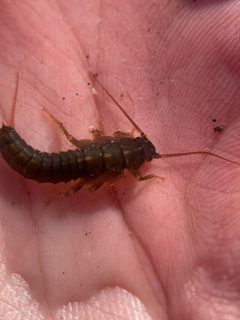
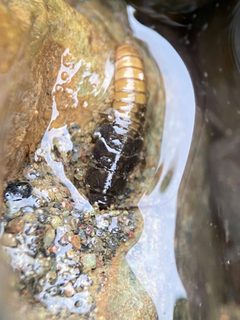
Pteronarcella is a of giant stoneflies ( Pteronarcyidae) containing at least two described : Pteronarcella badia (least salmonfly) and Pteronarcella regularis (dwarf salmonfly). These are among the largest stoneflies in North America, with known for their distinctive drumming communication . Research on P. badia has provided significant insights into aquatic insect phylogeography and mechanisms in western North America.
Pronunciation
How to pronounce Pteronarcella: /ˌtɛrɒnɑːrˈsɛlə/
These audio files are automatically generated. While they are not always 100% accurate, they are a good starting point.
Identification
Members of this can be distinguished from other Pteronarcyidae by their large body size. Pteronarcella badia and P. regularis are the two recognized , though specific morphological differences between them are not detailed in available sources. The genus is characterized by features typical of the Pteronarcyidae, including robust bodies and relatively large size compared to most other families.
Images
Distribution
Western North America. Documented from Alaska, Alberta, British Columbia, California, Arizona, Colorado, and Utah. The least salmonfly (P. badia) shows particularly broad distribution across this region with evidence of multiple glacial refugia and deep structure.
Behavior
males engage in vibrational duetting (drumming) as a primary mating communication system. Males perform ranging search until establishing duets with females, then switch to local search using vibrational cues for triangulation. Drumming patterns show geographic dialects— in Colorado and Alaska exhibit distinct signal variations. Overland during the winged adult stage serves as an important mechanism.
Human Relevance
Pteronarcella badia has been extensively studied as a model organism for understanding aquatic insect phylogeography, , and the effects of historical climate oscillations on genetic structure. Research on this has helped identify geographic areas of historical importance for aquatic biodiversity conservation in western North America.
Similar Taxa
- PteronarcysAlso in Pteronarcyidae; both are giant stoneflies with similar large body size. Pteronarcys such as P. californica co-occur with Pteronarcella and have been studied alongside them for comparative growth and analysis.
More Details
Phylogeographic significance
Pteronarcella badia has served as a key study organism for understanding how historical climate oscillations and glacial refugia shaped aquatic insect in western North America. Research identified multiple deeply divergent clades and potential cryptic lineages in the Pacific Northwest.
Research methodology
Studies of this have employed next- sequencing (454 sequencing) to reconstruct complete mitochondrial , demonstrating the utility of advanced molecular techniques for understudied aquatic insect groups.
Sources and further reading
- BugGuide
- Wikipedia
- GBIF taxonomy match
- iNaturalist taxon
- NCBI Taxonomy
- Catalogue of Life
- Male search behavior of the stonefly,Pteronarcella badia (hagen) (Plecoptera: Pteronarcyidae), in relation to drumming
- Sexual differences in the growth of Pteronarcys californica Newport and Pteronarcella badia (Hagen) (Plecoptera)
- Drumming Behavior of Four Species of North American Pteronarcyidae (Plecoptera): Dialects in Colorado and Alaska Pteronarcella badia1
- Climate oscillations, glacial refugia, and dispersal ability: factors influencing the genetic structure of the least salmonfly, Pteronarcella badia (Plecoptera), in Western North America