Soliperla
Ricker, 1952
Species Guides
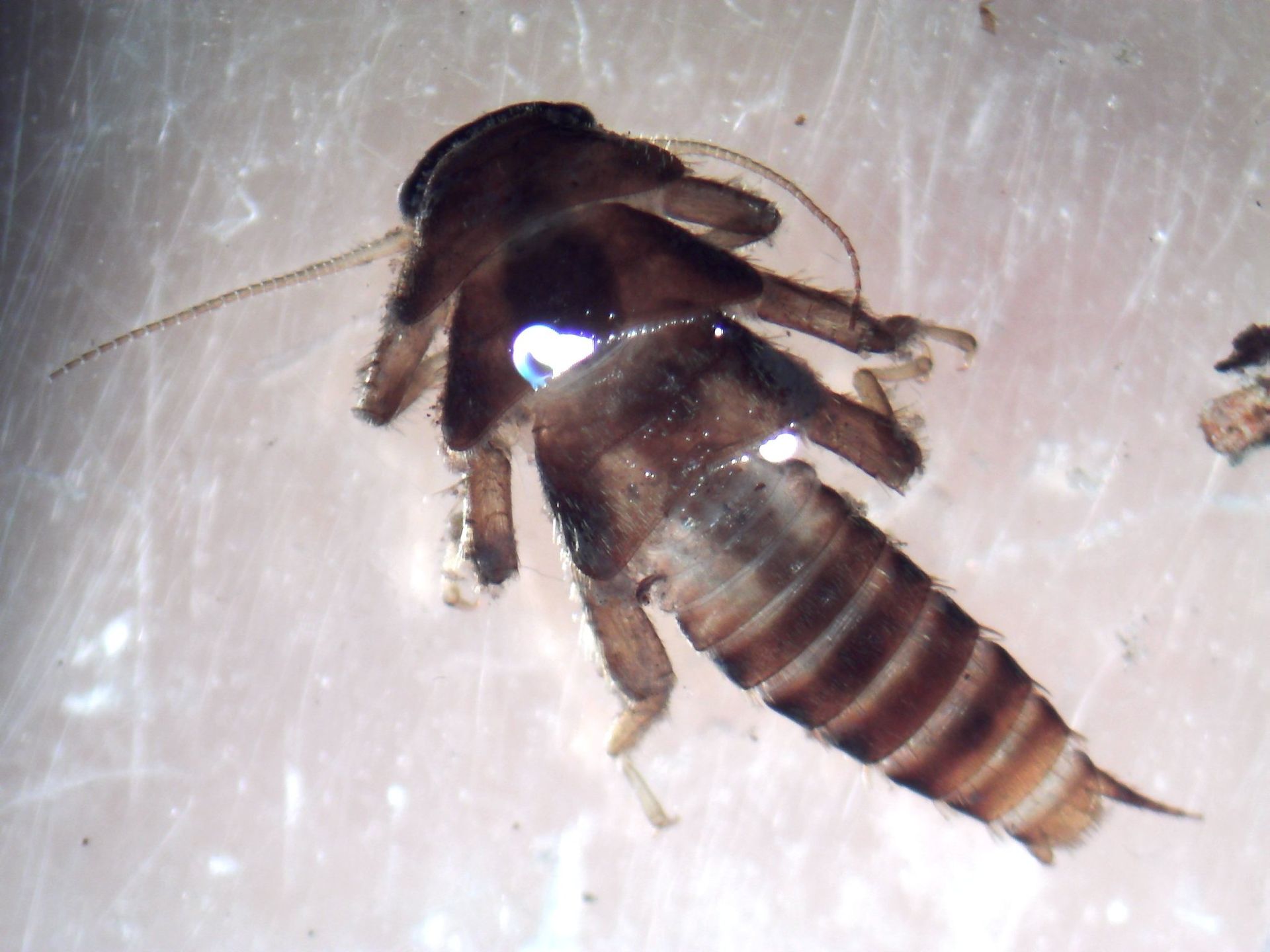
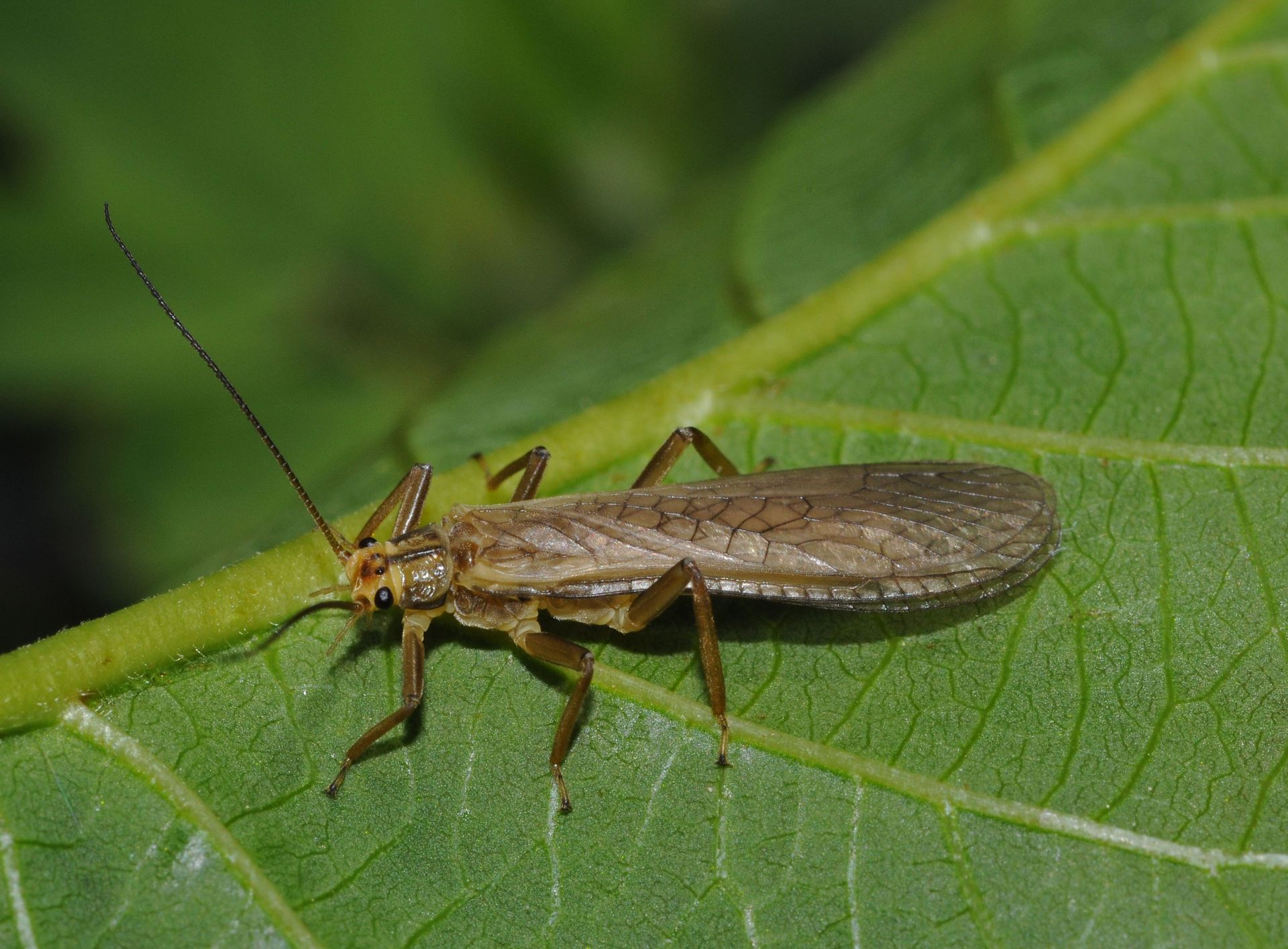
1Soliperla is a of stoneflies in the Peltoperlidae, established by Ricker in 1952. in this genus are known for their specialized through substrate-borne drumming signals used in mate finding. The genus contains multiple species distributed across western North America and China. Research has focused particularly on the acoustic of California , revealing complex male-female call and response exchanges.
Pronunciation
How to pronounce Soliperla: /ˌsoʊlɪˈpɜrlə/
These audio files are automatically generated. While they are not always 100% accurate, they are a good starting point.
Identification
within Soliperla are distinguished from related peltoperlid primarily through detailed analysis of male drumming call signals. The repeated monophasic signal pattern, percussive signal interval patterns, and specific male-female exchange sequences serve as diagnostic characters. Morphological distinctions from other Peltoperlidae genera are not detailed in available sources.
Images
Distribution
Western North America (California, Idaho, Montana, Nevada, USA) and China (South-central region).
Behavior
Males produce one to six monophasic drumming signals with inconsistent inter-call intervals to attract females. Females respond with sequenced monophasic answers that do not follow all repeated male calls. Males occasionally respond to female answers in sequenced 3-way exchanges. These patterns function specifically in mate finding.
Similar Taxa
- Other Peltoperlidae generaDistinguished by unique drumming signal patterns, particularly the repeated monophasic call structure and specific percussive interval patterns documented in Soliperla .
More Details
Vibrational Communication Research
Detailed drumming has been documented for three California : S. sierra, S. quadrispinula, and S. thyra. Previous monophasic call signal pattern descriptions for S. quadrispinula and S. thyra were updated to repeated monophasic patterns based on new recordings. The male call and response of S. sierra and the response signal of S. quadrispinula were described for the first time in recent studies.