Miathyria
Kirby, 1889
Hyacinth Gliders
Species Guides
1- Miathyria marcella(hyacinth glider)
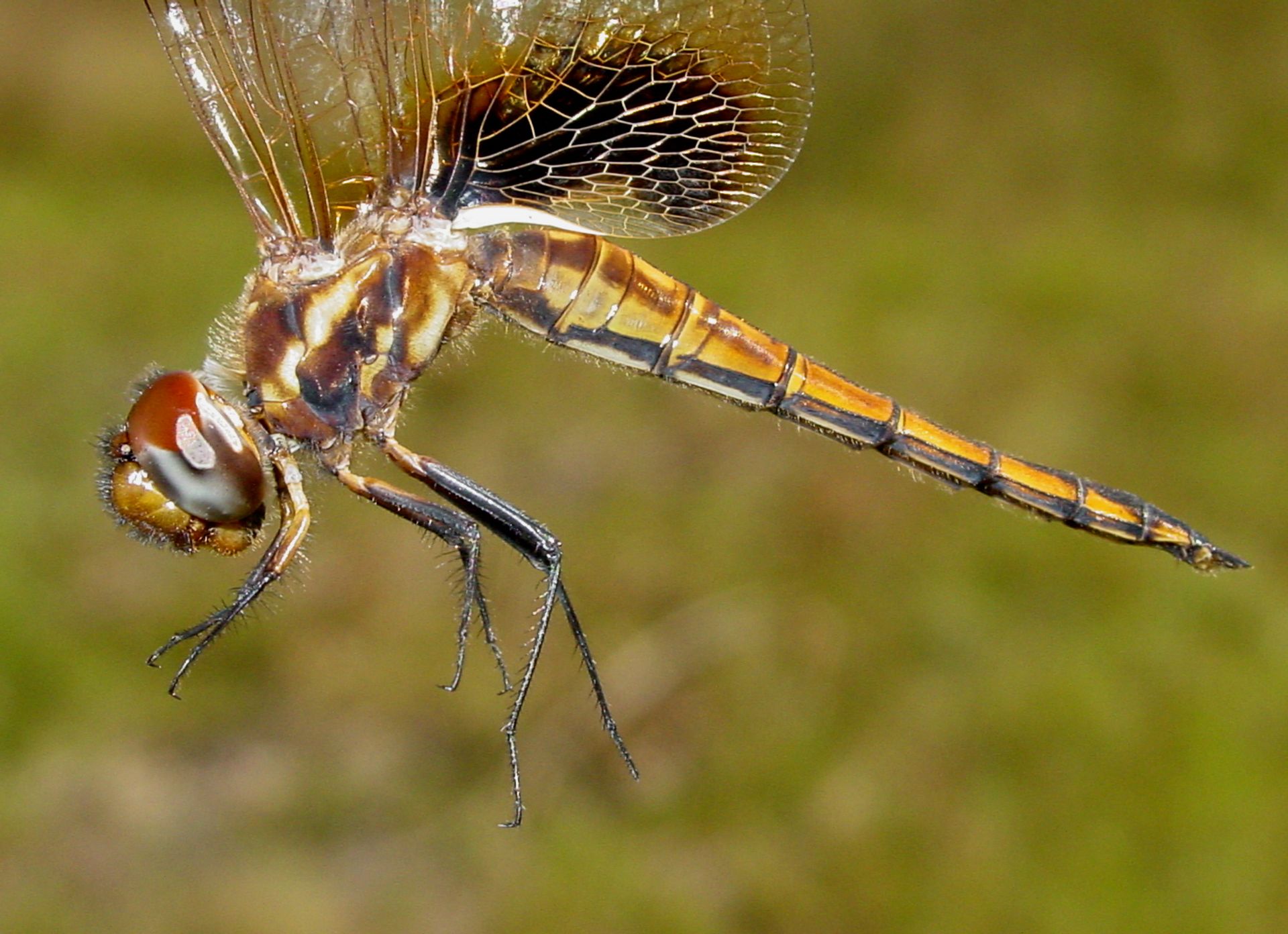
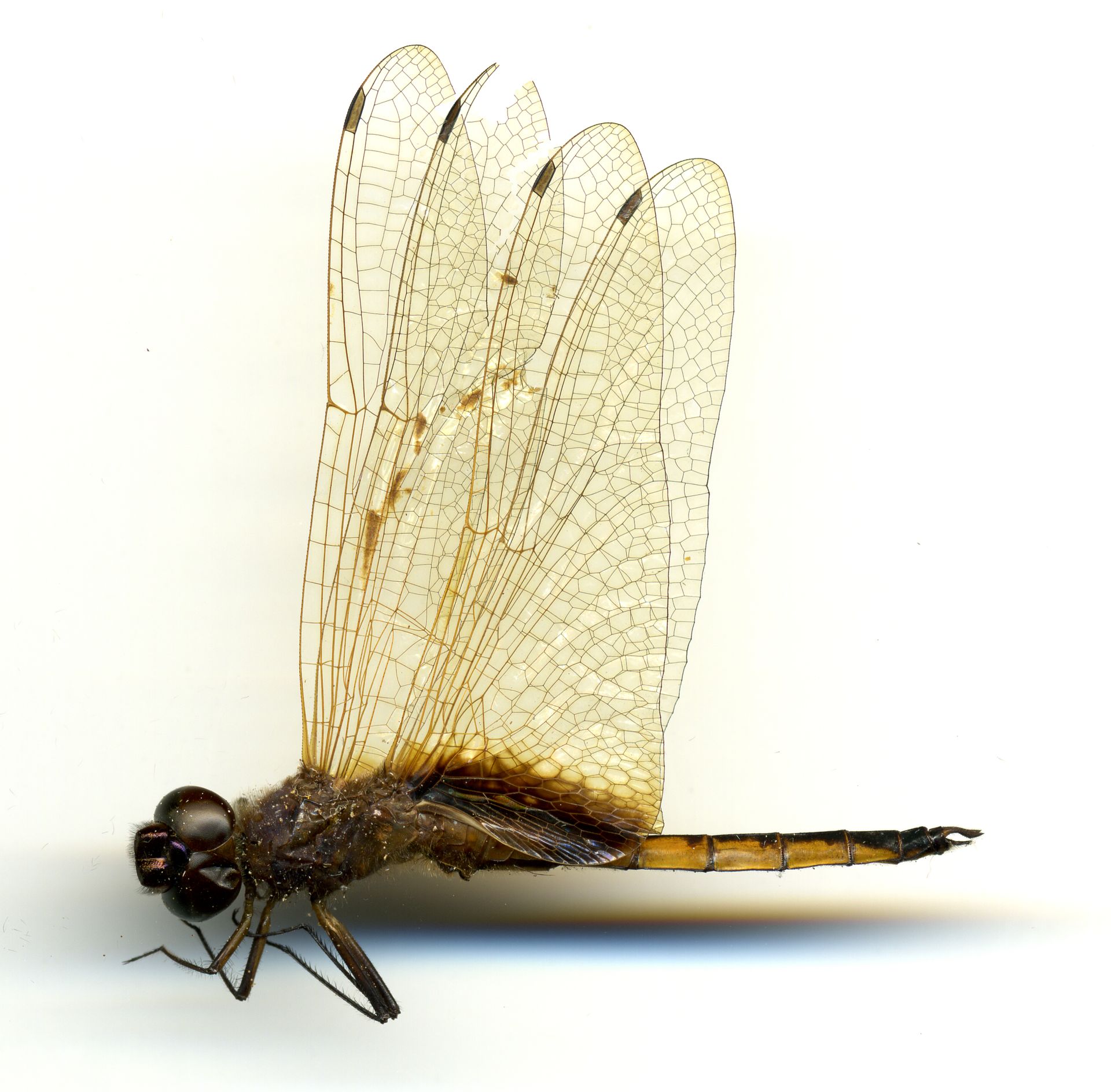
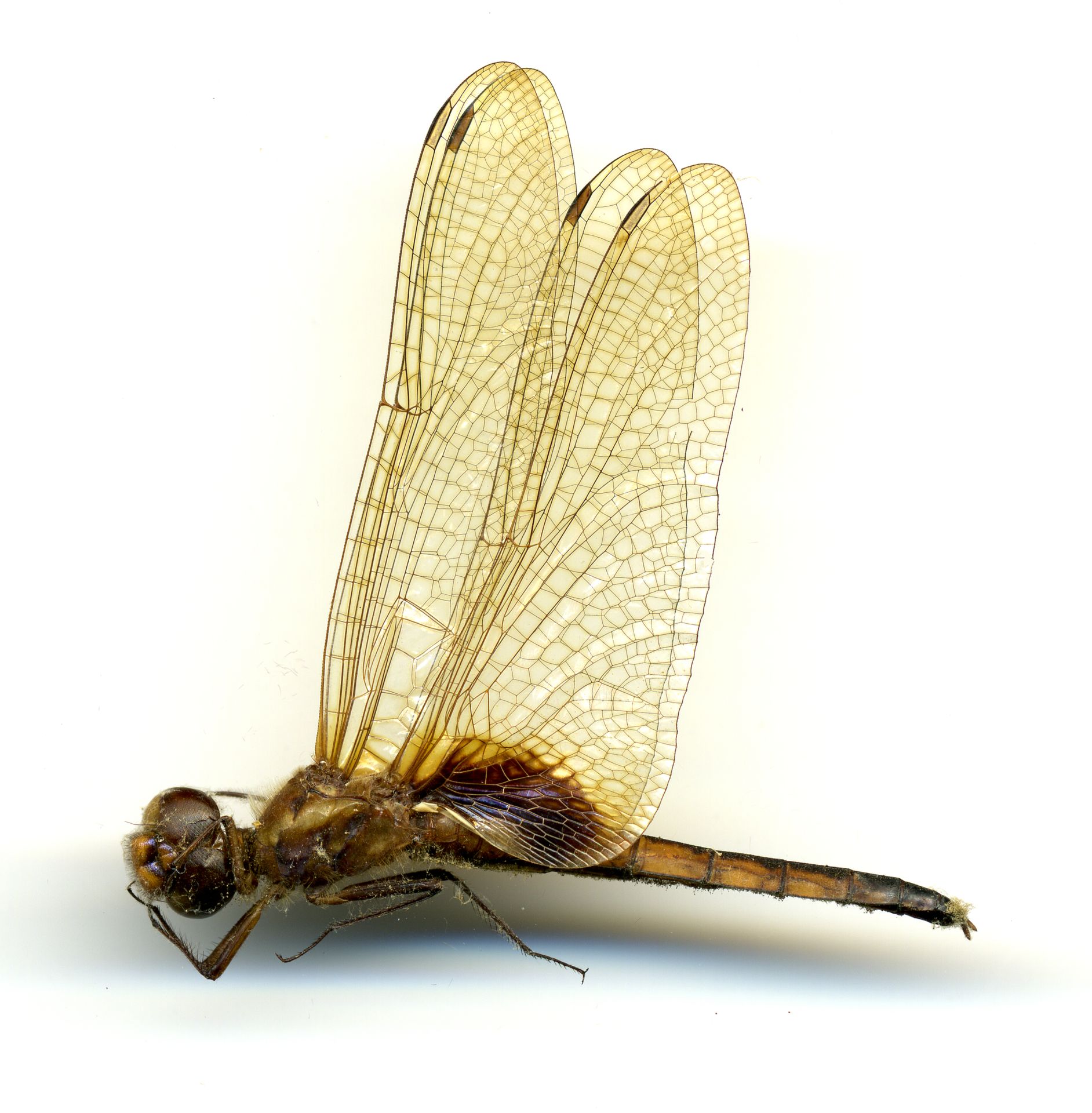
Miathyria is a small Neotropical of ( Libellulidae) containing two : Miathyria marcella (Hyacinth Glider) and Miathyria simplex (Dwarf Glider). The genus is strongly associated with floating aquatic vegetation, particularly Water Hyacinth (Eichhornia crassipes) and Water Lettuce (Pistia stratiotes). Miathyria marcella has expanded its range northward into the southern United States.
Pronunciation
How to pronounce Miathyria: /ˌmiəˈθɪriə/
These audio files are automatically generated. While they are not always 100% accurate, they are a good starting point.
Identification
Members of Miathyria can be distinguished from other Libellulidae by their association with floating vegetation mats and their slender, gliding style. Miathyria marcella is larger and more widespread than M. simplex. Specific diagnostic morphological features for the are not documented in available sources.
Images
Habitat
Aquatic environments with floating vegetation, especially wetlands containing Water Hyacinth or Water Lettuce. Larvae have been documented in wetlands of Northern Colombia.
Distribution
Neotropical region; Miathyria marcella occurs from South America through Central America and into the southern United States (North America); Miathyria simplex has a more restricted South American distribution. Specific localities include wetlands in Northern Colombia and Ciénaga San Silvestre, Colombia.
Host Associations
- Water Hyacinth - associated withEichhornia crassipes; floating vegetation
- Water Lettuce - associated withPistia stratiotes; floating vegetation
Life Cycle
Larval stage is aquatic and has been documented in wetland . Complete details are not available.
Similar Taxa
- Other Libellulidae generaMiathyria is distinguished by its specialized association with floating vegetation mats, a preference not shared by most sympatric .
More Details
Species composition
The contains only two : Miathyria marcella (Selys in Sagra, 1857) and Miathyria simplex (Rambur, 1842).