
Cordulegaster obliqua
(Say, 1840)
Arrowhead spiketail
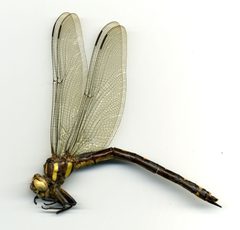
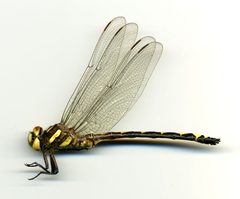
Cordulegaster obliqua, commonly known as the arrowhead spiketail, is a in the Cordulegastridae. It occurs in North America, where emerge in early summer near small rivers and streams. The larvae inhabit stream environments, including intermittent streams, and can survive up to five years before . The species holds a stable and is classified as Least Concern by the IUCN.

Pronunciation
How to pronounce Cordulegaster obliqua: /ˌkɔːrdjʊlɪˈɡæstər əˈbliːkwə/
These audio files are automatically generated. While they are not always 100% accurate, they are a good starting point.
Images
Habitat
Clearings near small rivers and streams. Larvae occur in stream environments, including intermittent streams that experience periodic drying.
Distribution
North America. Specific records include Vermont, United States.
Seasonality
emerge in early summer.
Life Cycle
Larvae may live up to 5 years before emerging as . Development occurs in aquatic stream .
More Details
Conservation Status
IUCN Red List status: Least Concern (). Status reviewed in 2017. is stable with no immediate threats to survival.
Subspecies
Two are recognized: Cordulegaster obliqua fasciata Rambur, 1842 and Cordulegaster obliqua obliqua (Say, 1839).
Sources and further reading
- BugGuide
- Wikipedia
- GBIF taxonomy match
- A Dragonfly to Behold: Within an Arm's Reach | Bug Squad
- Outstanding PBS Deep Look Video: 'Why Do Sunflowers Face the Sunrise?' | Bug Squad
- Does Sneezeweed Make You Sneeze? | Bug Squad
- To Control Lekking Fruit Flies, Male Size Matters (Except When it Doesn't)
- Fantastic dragonflies and how to help them - Buglife Blog - Buglife
- Up Close and Personal With Venomous Moths