
Isa schaefferana
(Dyar, 1906)
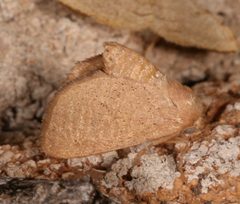
Isa schaefferana is a of slug caterpillar in the Limacodidae, first described by Dyar in 1906. The Isa contains several North American species commonly known as "stinging caterpillars" due to their urticating spines. Like other limacodids, the larvae are characterized by a reduced, slug-like structure and venomous setae. The species is part of the diverse Zygaenoidea superfamily, which includes many groups with chemical defenses.
Pronunciation
How to pronounce Isa schaefferana: /ˈaɪsə ˌʃɛfɛrəˈænə/
These audio files are automatically generated. While they are not always 100% accurate, they are a good starting point.
Images
More Details
Taxonomic History
Originally described as Sisyrosea schaefferana by Dyar in 1906, this was later transferred to the Isa. The genus Sisyrosea is now considered a synonym of Isa.
Family Characteristics
The Limacodidae (slug caterpillar moths) is characterized by larvae with reduced that move in a slug-like fashion rather than with the typical looping gait of most caterpillars. Many possess venomous spines or setae that can cause painful reactions upon contact with human skin.
Sources and further reading
- BugGuide
- GBIF taxonomy match
- iNaturalist taxon
- NCBI Taxonomy
- Catalogue of Life
- At Bohart Museum of Entomology: It Took Gall to Make a Ghost | Bug Squad
- Aspiring for Better Pollination | Bug Squad
- Winter mild or wild? Ask the banded woolly bear, Pyrrharctia isabella — Bug of the Week
- Dashing caterpillars predicting weather- Woolly bears, Pyrrharctia isabella, saltmarsh caterpillar, Estigmene acrea, and leopard moths, Hypercompe scribonia — Bug of the Week
- Dashing caterpillars predicting weather and preparing for winter: Banded woolly bear, Pyrrharctia Isabella, Giant woolly bear, Hypercompe scribonia, and Saltmarsh caterpillar, Estigmene acrea — Bug of the Week
- What do insects do in winter, Part 2? Tolerating the big chill: Banded woolly bears, Pyrrharctia isabella, field crickets, Gryllus spp., baldfaced hornets, Dolichovespula maculata, and others — Bug of the Week