
Setomorpha
Zeller, 1852
Tropical Tobacco Moth (for S. rutella)
Species Guides
1- Setomorpha rutella(Tropical Tobacco Moth)
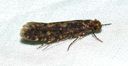
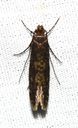
Setomorpha is a in the Tineidae, established by Philipp Christoph Zeller in 1852. The genus contains a single , Setomorpha rutella, commonly known as the tropical tobacco moth. This species has been widely distributed through human commerce across tropical and subtropical regions worldwide. The larvae are significant pests of stored dried products, particularly tobacco leaves and dried insect specimens.
Pronunciation
How to pronounce Setomorpha: //ˌsɛtoʊˈmɔːrfə//
These audio files are automatically generated. While they are not always 100% accurate, they are a good starting point.
Images
Distribution
Warm regions of Africa, Eurasia, Malaysia, Australia, many Pacific islands, and North and South America. The has been dispersed through human commerce rather than natural range expansion.
Diet
Larvae feed on dried goods, cereals, grain, rice, nuts, seeds, and other dry vegetable matter.
Life Cycle
Full-grown larvae reach approximately 17 mm in length. Larvae pupate within a closely woven, smooth inner cocoon enclosed in a loosely spun outer framework to which food particles and excrement adhere.
Ecological Role
Serves as an intermediate for the parasitic Tetrameres mohtedai, facilitating transmission to avian final hosts such as domestic fowl. development to in the takes less than two weeks under laboratory conditions and does not require host .
Human Relevance
A pest of dried tobacco leaves in some regions and of dried insect collections. Widely distributed through commercial activity. Used as an experimental laboratory for studies of .