Pelecystola
Meyrick, 1920
Species Guides
1A of small in the Tineidae containing seven described . Most species are rarely encountered with limited distributional records. The genus shows in size, with males generally smaller than females. Several species have dark, sooty coloration with contrasting pale markings.
Pronunciation
How to pronounce Pelecystola: //pɛlɛˈsɪstələ//
These audio files are automatically generated. While they are not always 100% accurate, they are a good starting point.
Identification
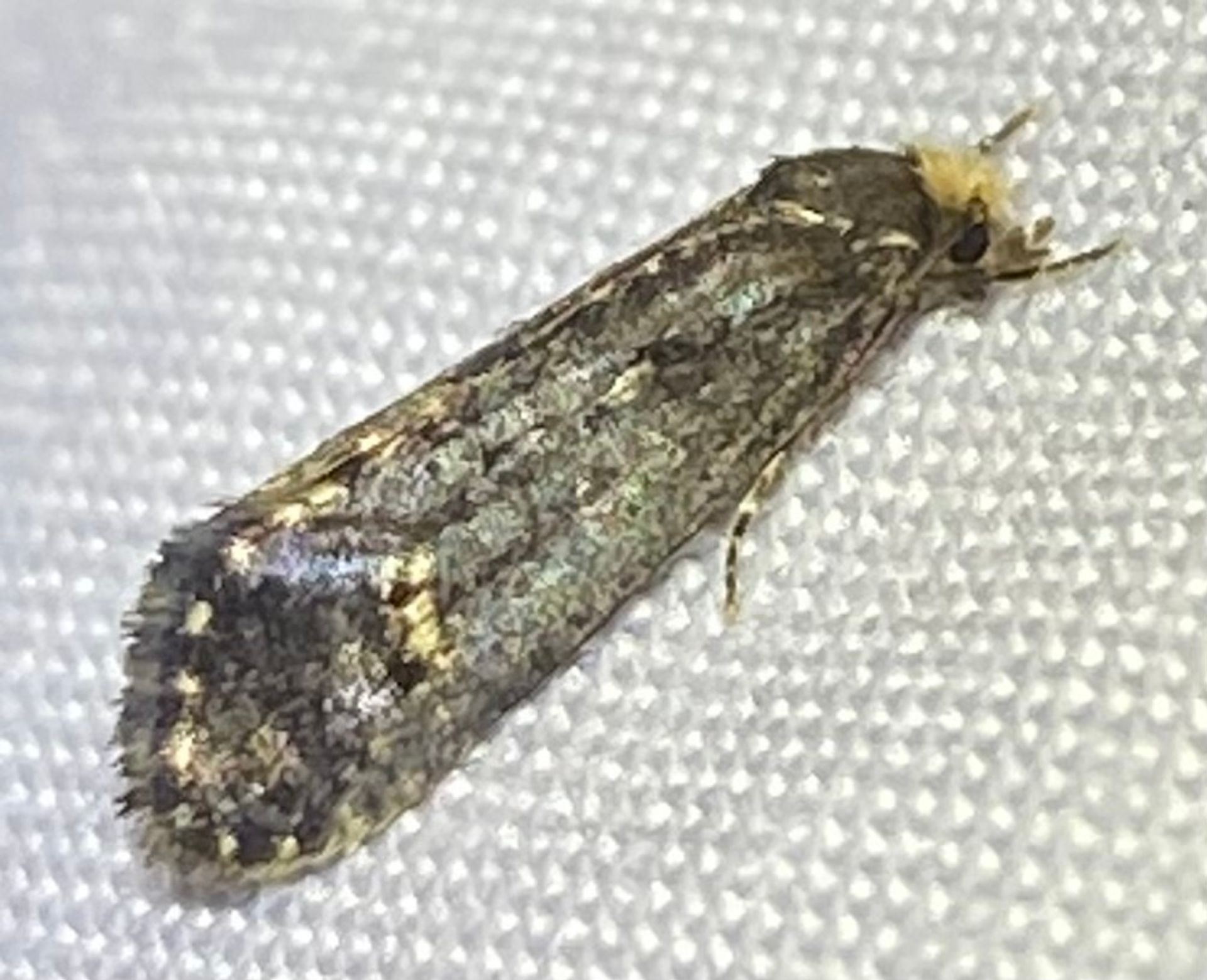
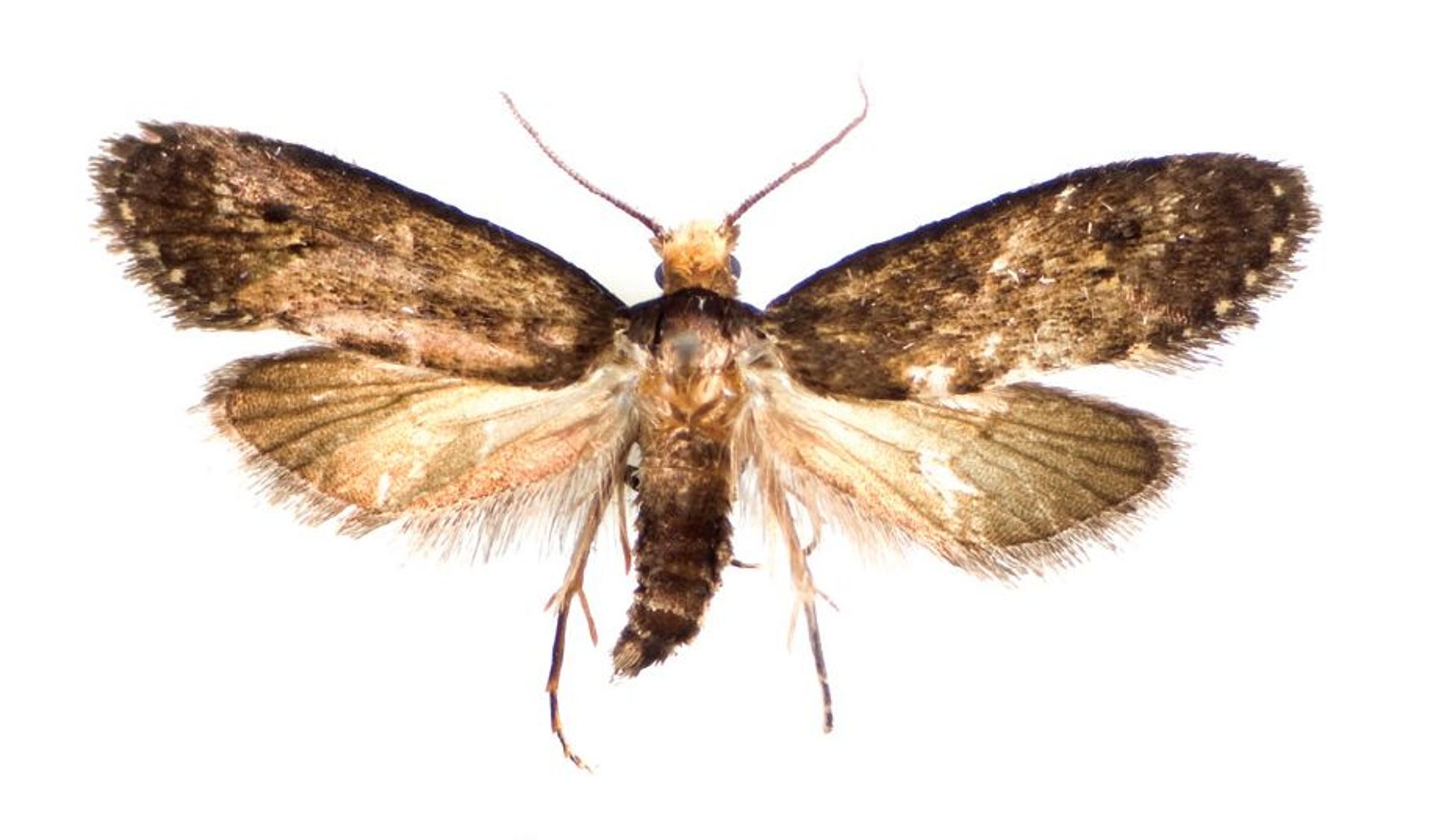
Small tineid moths with wingspans typically 15–21 mm. Forewings often dark brown to black with variable pale yellowish-white markings; P. fraudulentella has a distinct yellowish-white patch on the forewing. primarily in body and wingspan size rather than color pattern. simple, not strongly bipectinate in males. Distinguished from related by genitalic characters and specific wing pattern elements.
Images
Habitat
Mixed hardwood and birch forest stands at moderate elevations (approximately 500 m), with shady humid conditions and naturally decaying wood. Understory vegetation includes Vaccinium .
Distribution
Europe: recorded from Slovenia (type locality, 1850), Sweden (2007), Slovakia (2009), and Hungary (2016). Additional occur in Ethiopia, Japan, India, and North America.
Seasonality
active mid-to-late June in Central Europe.
Life Cycle
Larval stages and feeding habits unknown for most . Presumed to develop in decaying organic matter, bracket fungi, or possibly bird nests based on related tineid .
Behavior
attracted to artificial light sources, including 160 W mercury-lithium lamps.
Similar Taxa
- EuplocamusFormerly included some Pelecystola ; distinguished by genitalic and wing venation
- SemioscopisHistorical confusion with P. strigosa; separated by wing pattern details and genitalia