Isocorypha mediostriatella
(Clemens, 1865)
Old Gold Isocorypha Moth
Isocorypha mediostriatella is a small in the Meessiidae, originally described from North America by Clemens in 1865. The species is known by the 'Old Gold Isocorypha Moth' and has been documented primarily in the northeastern United States, with records from Vermont. It belongs to a of moths whose larvae are typically concealed feeders, though specific details of its remain poorly documented.
Pronunciation
How to pronounce Isocorypha mediostriatella: /ˌaɪsoʊˈkɔrɪfə ˌmɛdiˌɑstriəˈtɛlə/
These audio files are automatically generated. While they are not always 100% accurate, they are a good starting point.
Identification
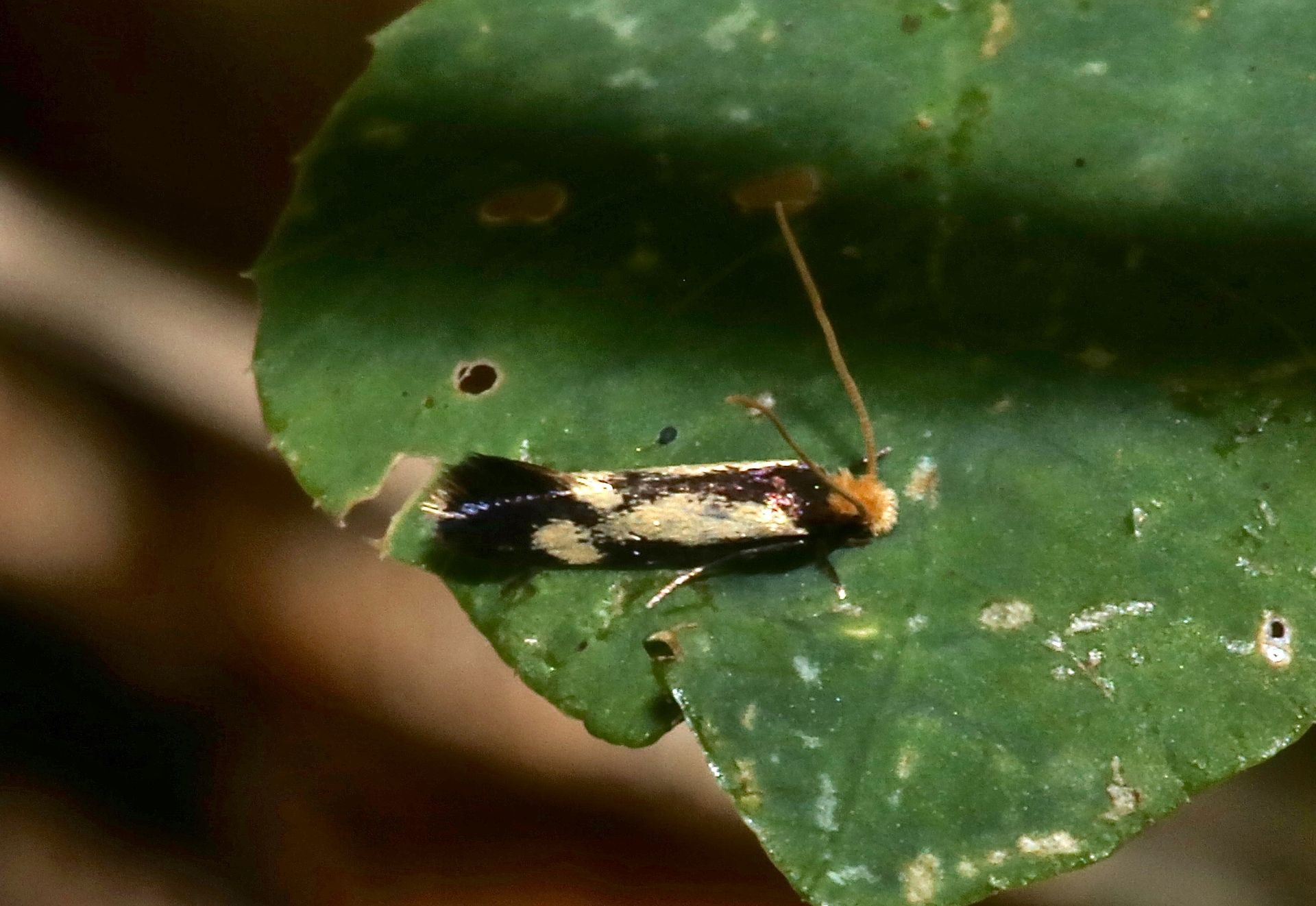
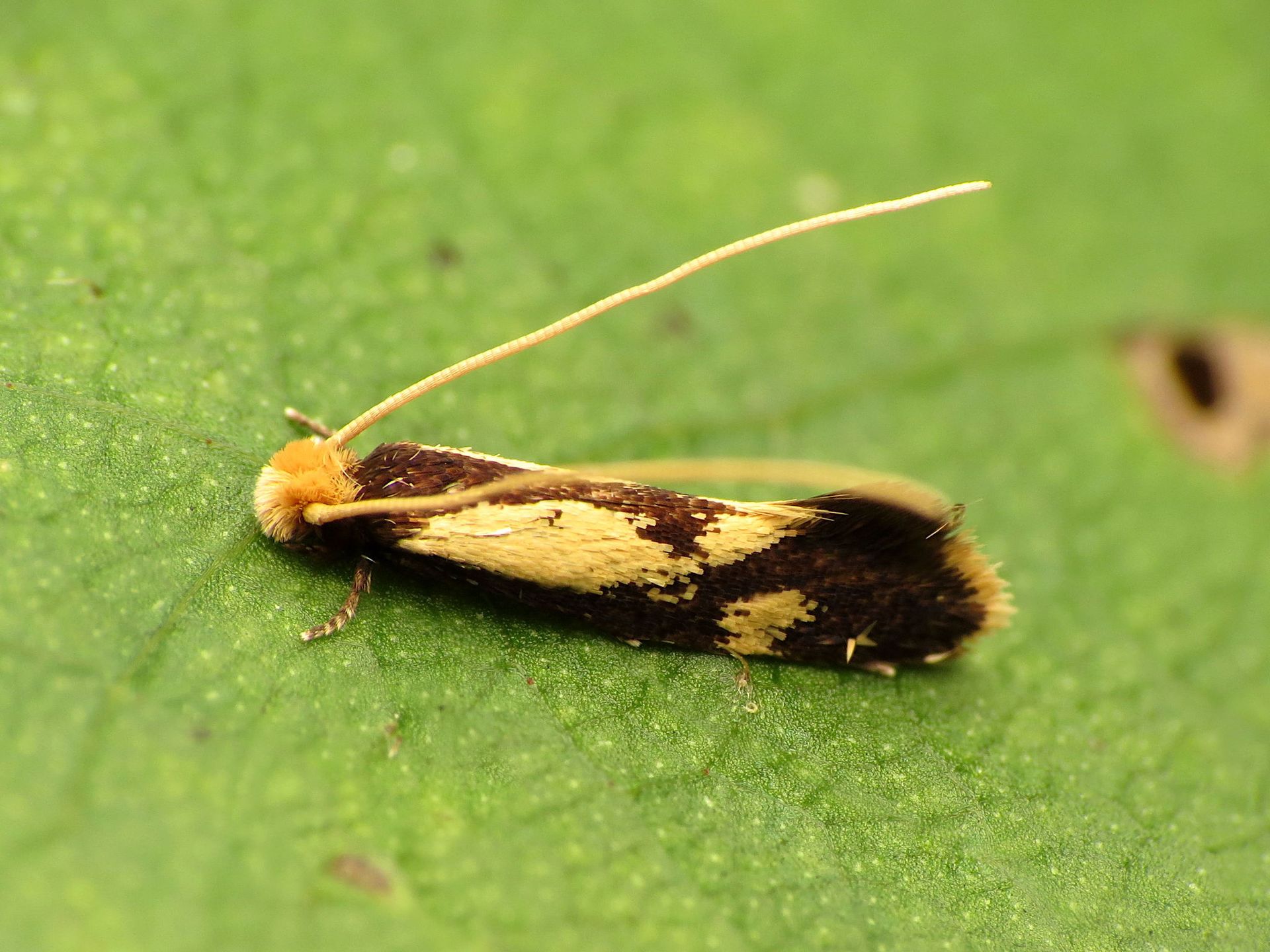
Definitive identification requires examination of genitalia , as is standard for Meessiidae. The combination of small size, narrow wings, and golden-brown coloration with longitudinal striations distinguishes it from broader-winged Tineidae, though separation from congeneric likely requires dissection. The species epithet 'mediostriatella' refers to a stripe that may aid visual identification.
Images
Appearance
are small with narrow, elongated forewings. The 'Old Gold' suggests warm golden or yellowish-brown coloration with longitudinal striations, consistent with the epithet 'mediostriatella' (referring to a middle stripe). Detailed morphological descriptions of adults and larvae are not readily available in published literature.
Distribution
Documented from the northeastern United States, specifically Vermont. Distribution records are sparse, suggesting either genuine rarity or undercollection due to small size and concealed habits.
Similar Taxa
- Tineidae (family)Formerly placed in Tineidae; Meessiidae was elevated to status based on molecular and morphological data. Tineidae generally have broader wings and different larval habits.
- Isocorypha spp.Congeneric share similar size and general appearance; species-level identification requires genitalia examination.
More Details
Taxonomic History
Originally described as Incurvaria mediostriatella by Clemens in 1865, later transferred to Isocorypha. placement has shifted from Tineidae to Meessiidae based on modern phylogenetic studies.
Data Deficiency
Despite 437 iNaturalist observations, published biological and ecological data remain scarce. Most observations appear to be photographic records without associated specimen data or documentation.