
Myscelia ethusa
(Boisduval, 1836)
Mexican Bluewing, Blue Wing
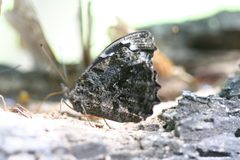
Myscelia ethusa is a medium-sized in the Biblidinae. It exhibits multiple per year and ranges from Colombia through Central America to Mexico, with occasional strays reaching southern Texas. The is notable for its distinctive blue wing coloration and fruit-feeding as .


Pronunciation
How to pronounce Myscelia ethusa: //mɪsˈsiː.li.ə ɛˈθuː.sə//
These audio files are automatically generated. While they are not always 100% accurate, they are a good starting point.
Identification
Distinguished from by combination of blue upper wing coloration, medium wingspan (64–76 mm), and distribution. Similar in Myscelia may overlap in range; precise identification requires examination of wing pattern details and geographic context. Strays in Texas are distinguished from resident Nymphalidae by the distinctive blue wing coloration.
Images
Habitat
Tropical and subtropical environments from lowland to mid-elevation areas in Central America and Mexico. Specific preferences (forest type, disturbance regime) not documented in available sources.
Distribution
Native range extends from Colombia north through Central America to Mexico. Vagrant individuals documented in the lower Rio Grande Valley of Texas, United States. Four recognized with restricted distributions: M. e. chiapensis and M. e. cyanecula in Mexico; M. e. ethusa in Mexico; M. e. pattenia in Guatemala and Rica.
Seasonality
Multiple occur per year; active year-round in tropical portions of range. Timing of activity in subtropical and vagrant areas not specified.
Diet
Larvae feed on Dalechampia (Euphorbiaceae). feed on rotting fruit.
Host Associations
- Dalechampia - larval plant of flowering plants in Euphorbiaceae; specific not identified in sources.
Life Cycle
Holometabolous with multiple per year. Specific details of , larval instars, pupal stage, and longevity not documented in available sources.
Behavior
exhibit fruit-feeding , consuming rotting fruit rather than nectar. and other behavioral patterns not documented.
Ecological Role
may contribute to nutrient cycling through consumption of rotting fruit. Larval herbivory on Dalechampia. Specific ecological functions (pollination, prey relationships) not documented.
Human Relevance
Occasional vagrant to southern Texas, where it attracts interest from observers. No documented economic or agricultural significance.
Similar Taxa
- Other Myscelia species share similar wing shape and pattern elements; distinguished by specific coloration details and geographic distribution.
- Other Nymphalidae with blue wingsBlue coloration occurs in multiple ; combination of size, pattern, and range distinguishes M. ethusa.
More Details
Taxonomic Note
Authorship sometimes cited as Doyère, 1840, but accepted authority is Boisduval, 1836 per GBIF and Catalogue of Life.
Subspecies
Four recognized, primarily distinguished by geographic distribution rather than pronounced morphological differences.