
Trotorhombia
Warren, 1904
Species Guides
1Trotorhombia is a of in the Uraniidae, Epipleminae. It was described by Warren in 1904. Members of this genus are part of a group commonly known as the epiplemine moths, which are characterized by distinctive wing shapes and patterns. The genus is relatively poorly documented in published literature, with limited -level information available.
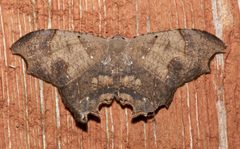
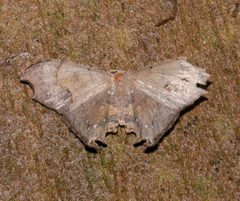
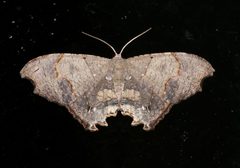
Pronunciation
How to pronounce Trotorhombia: /ˌtroʊtoʊˈrɒmbiə/
These audio files are automatically generated. While they are not always 100% accurate, they are a good starting point.
Identification
Trotorhombia can be distinguished from other Epipleminae by wing venation and genitalic characters. The genus is characterized by a combination of features including the shape of the forewing apex and specific arrangements of wing markings. Accurate identification to species level requires examination of genitalia or detailed wing pattern analysis.
Images
Distribution
of Trotorhombia have been recorded from tropical regions, particularly in Southeast Asia and surrounding areas. Specific distribution data is limited by sparse collecting and documentation.
Similar Taxa
- EpiplemaBoth belong to Epipleminae and share similar wing shapes, but Trotorhombia differs in forewing apex shape and genitalic structure.
- MonobolodesAnother epiplemine with superficially similar appearance; distinguished by wing pattern details and male genitalia .
More Details
Taxonomic note
The Trotorhombia is placed in the Epipleminae, a group of uraniid that was historically treated as a separate (Epiplemidae) by some authors. The classification of Epipleminae genera remains under study, and the boundaries of Trotorhombia relative to related genera may be subject to revision.