
Scrobipalpula
Povolný, 1964
Species Guides
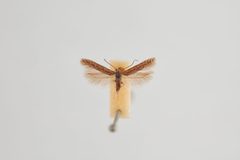
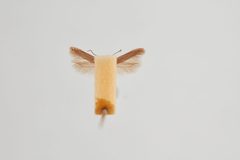
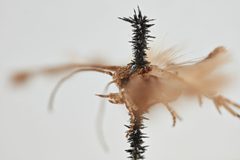
4Scrobipalpula is a of small in the Gelechiidae, tribe Gnorimoschemini, established by Povolný in 1964. within this genus exhibit diverse associations, including solanaceous plants (Solanaceae), Asteraceae, and Amaranthaceae. Some species are significant agricultural pests, while others function as gall in natural . The genus has a broad geographic distribution spanning South America, Europe, and North America.
Pronunciation
How to pronounce Scrobipalpula: /ˌskrɒbɪˈpælpjʊlə/
These audio files are automatically generated. While they are not always 100% accurate, they are a good starting point.
Images
Habitat
varies by : agricultural and cultivated settings with solanaceous crops; arid desert environments with Baccharis shrubs; and salt marsh or coastal habitats with Suaeda vegetation.
Distribution
South America (Colombia, Chile, Argentina), Europe (Denmark, Norway, Sweden), and North America (United States: Vermont).
Host Associations
- Solanaceae - plantScrobipalpula absoluta attacks tomato plants in Colombia
- Baccharis salicifolia - plantAsteraceae; associated with new in Atacama Desert, Chile
- Suaeda divaricata - gall Amaranthaceae; Scrobipalpula patagonica inhabits galls on this plant in Argentina
Life Cycle
For Scrobipalpula absoluta under laboratory conditions (25.3°C, 74.9% RH): incubation averages 4 days; four larval instars with mean duration of 13.1 days; prepupal stage allows sex separation; male pupal duration 9.6 days, female 8.8 days; longevity 16.4 days (males) and 17.8 days (females); averages 226.1 eggs per female; sex ratio approximately 1 male:1.3 female.
Behavior
Scrobipalpula patagonica has been documented as a gall , inhabiting existing galls on plants rather than inducing them.
Ecological Role
Larval include the braconid Apanteles gelechiidivorus and an unidentified ichneumonid; the pteromalid Zatropis sp. has been reared from larvae or pupae.
Human Relevance
Scrobipalpula absoluta is a documented pest of tomato in Colombia, causing economic damage in multiple municipalities.
More Details
Taxonomic Status
One , Scrobipalpula pygmaeella (Heinemann, 1870), originally described as Lita pygmaeella, has unclear taxonomic status and requires verification.
Sources and further reading
- BugGuide
- Wikipedia
- GBIF taxonomy match
- iNaturalist taxon
- NCBI Taxonomy
- Catalogue of Life
- Range Expansion and First Host Plant Records for Scrobipalpula onorei (Gelechiidae)
- Recognition, Identification and Biology of Gelechiidae Species (Lepidoptera) on Solanaceous Plants in the Department of Antioquia. I. Scrobipalpula Absoluta (Meyrick)
- A new species of Scrobipalpula Povolný (Lepidoptera: Gelechiidae) associated with Baccharis salicifolia (Asteraceae) in the Atacama Desert of northern Chile
- Immature Stages of Scrobipalpula patagonica Povolný, 1977 (Lepidoptera: Gelechiidae: Gnorimoschemini), a Gall Inquiline of Suaeda divaricata MOQ. (Amaranthaceae) in Argentinawith a Summary of Its Parasitoids